

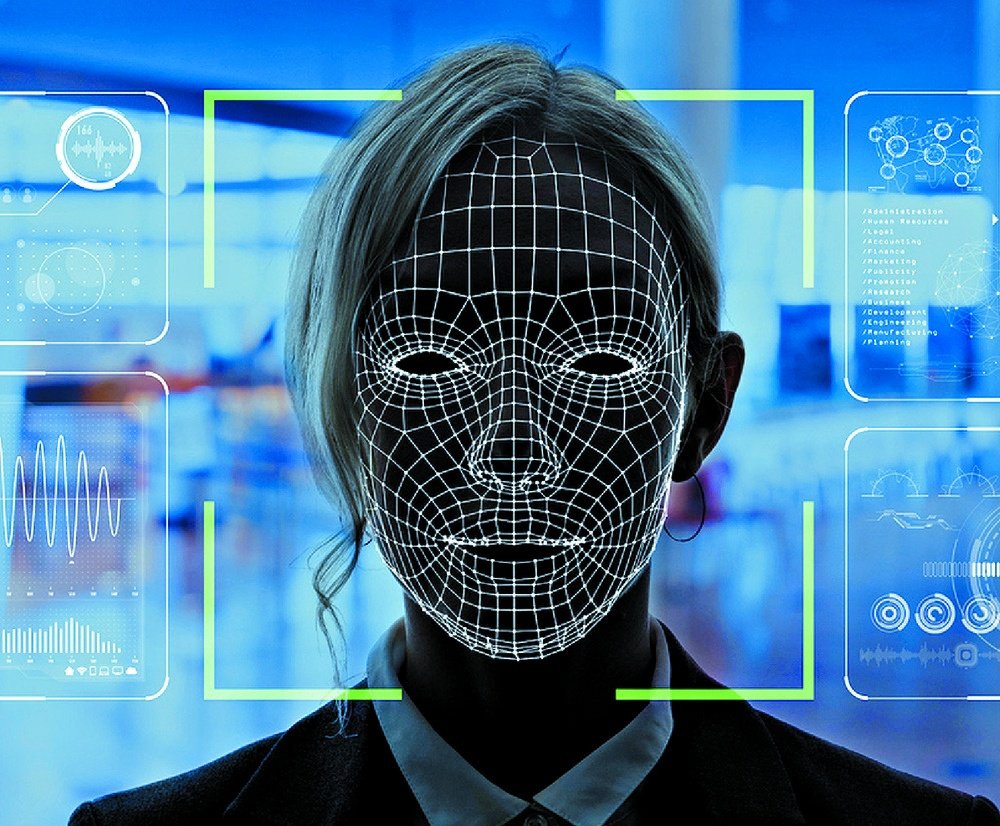
The Indian government is intensifying its campaign against digital misinformation, framing a recent surge in social media takedowns as a necessary defense against deepfakes. However, the move has sparked a firestorm of criticism from opposition parties and digital rights advocates who claim the crackdown is being used to stifle dissent.
Union Minister Ashwini Vaishnaw defended the escalation, labeling deepfakes a “new menace” to society and institutions. He noted that social media platforms have significantly increased their takedown actions—some by two or three times—to keep pace with the AI-driven threat.
Key Accounts Targeted Under Section 69A
The scrutiny follows a wave of blocking orders issued under Section 69A of the IT Act. On March 18 alone, at least 12 high-profile accounts on X (formerly Twitter) were restricted, including:
-
Political & Social Critics: Bhavika Kapoor, Ashok Swain, and Dr. Nimmo Yadav.
-
Fact-Checkers: Mohammed Zubair received a blocking order for specific content.
-
News & Satire: Platforms like Molitics and National Dastak reported their accounts being withheld across Facebook and Instagram.
Allegations of “Digital Censorship”
The Congress party and various digital rights groups have voiced alarm over what they describe as a “new trend” of controlling online discourse.
-
The Congress Charge: The opposition alleges that the government is moving beyond removing individual posts to “decapitating” entire digital identities by banning accounts and demonetizing YouTube channels.
-
The IFF Perspective: The Internet Freedom Foundation (IFF) argued that many orders offer “little to no explanation” and appear to disproportionately target satirical or political content rather than strictly unlawful material.
Proposed Tightening of IT Rules
Adding fuel to the debate, the government has proposed a draft amendment to the IT Rules, 2021. If passed, these changes would significantly expand the Ministry of Information and Broadcasting’s oversight:
