

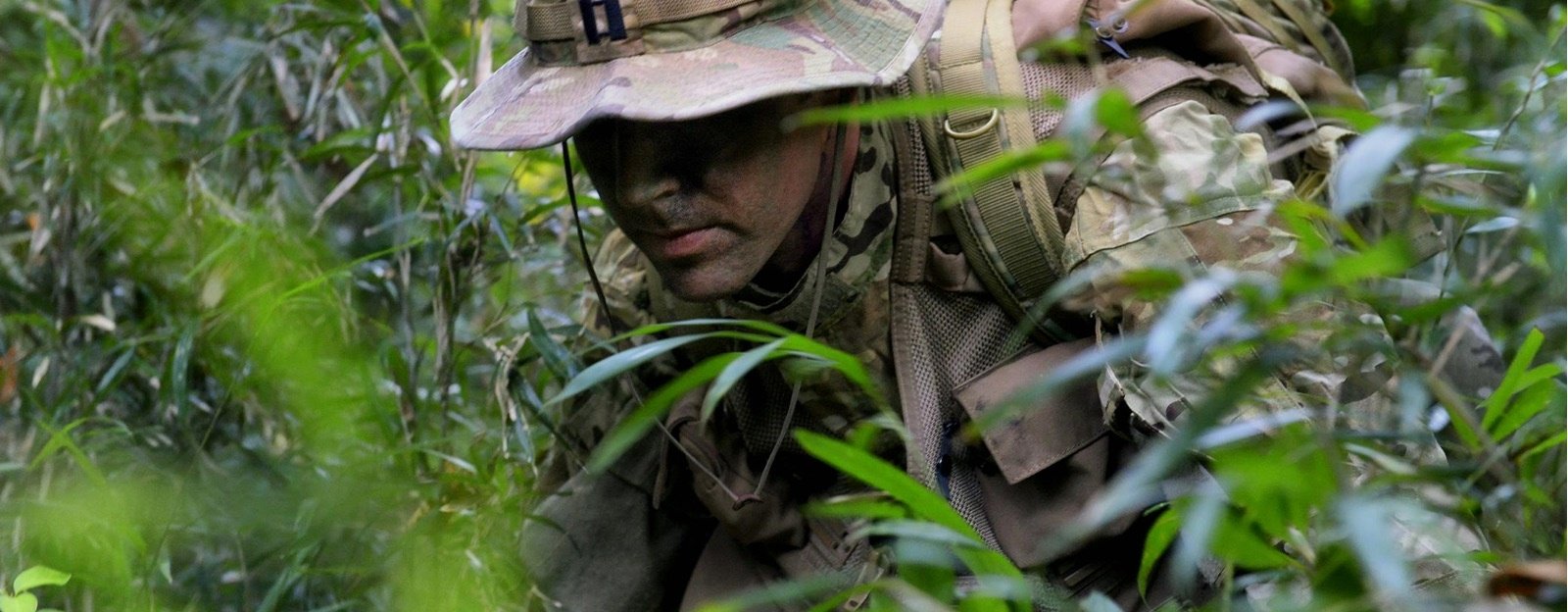
The recent 48-hour survival and successful rescue of a US Air Force weapons systems officer from the mountains of Iran has put a spotlight on the military’s most grueling curriculum: SERE (Survival, Evasion, Resistance, and Escape).
Conducted primarily at Fairchild Air Force Base in Washington, SERE training is designed to transform aviators into “invisible survivors” capable of enduring the psychological and physical horrors of being stranded in hostile territory.
The Four Pillars of SERE Training
The program follows a strict “Code of Conduct” to ensure that if an airman is downed, they have the tools to return “with honor.”
| Phase | Objective | Skills Taught |
| Survival | Sustain life in any environment. | Finding water, eating insects/small game, building shelters, and self-treating wounds. |
| Evasion | Stay undetected by the enemy. | Camouflage, “movement discipline,” and navigating without GPS or maps. |
| Resistance | Withstand interrogation. | Resisting psychological exploitation and refusing to provide information beyond name/rank/serial number. |
| Escape | Break free from captivity. | Identifying weaknesses in enemy detention and coordinating with recovery teams. |
Real-World Execution: The Iran Mission
The airman rescued this past weekend displayed textbook SERE discipline for 48 hours behind enemy lines:
-
The “Crevice” Strategy: Taught in SERE to avoid immediate capture, the officer moved away from the F-15E crash site and hid in mountain crevices to avoid Iranian search parties.
-
Extreme Elevation: To maintain a tactical advantage and stay ahead of ground forces, he hiked up a 7,000-foot ridgeline in the treacherous southwestern Iranian terrain.
-
Signal Discipline: He used his encrypted tracking beacon and radio sparingly, a critical lesson learned to prevent enemy forces from triangulating his electronic signature.
Training the “Sage Berets”
While most aircrews undergo a 19-day Combat Survival Course, the instructors—known as SERE Specialists—undergo a brutal 5.5-month pipeline across diverse climates (forests, deserts, and oceans).
The Goal: “To provide students with the skills and confidence to survive and return home, regardless of the circumstances.”
By the time an aviator flies a combat mission over a zone like Iran, they have already “failed” dozens of times in simulated mock-captures, ensuring that when a real-world crisis hits, their training takes over.
