

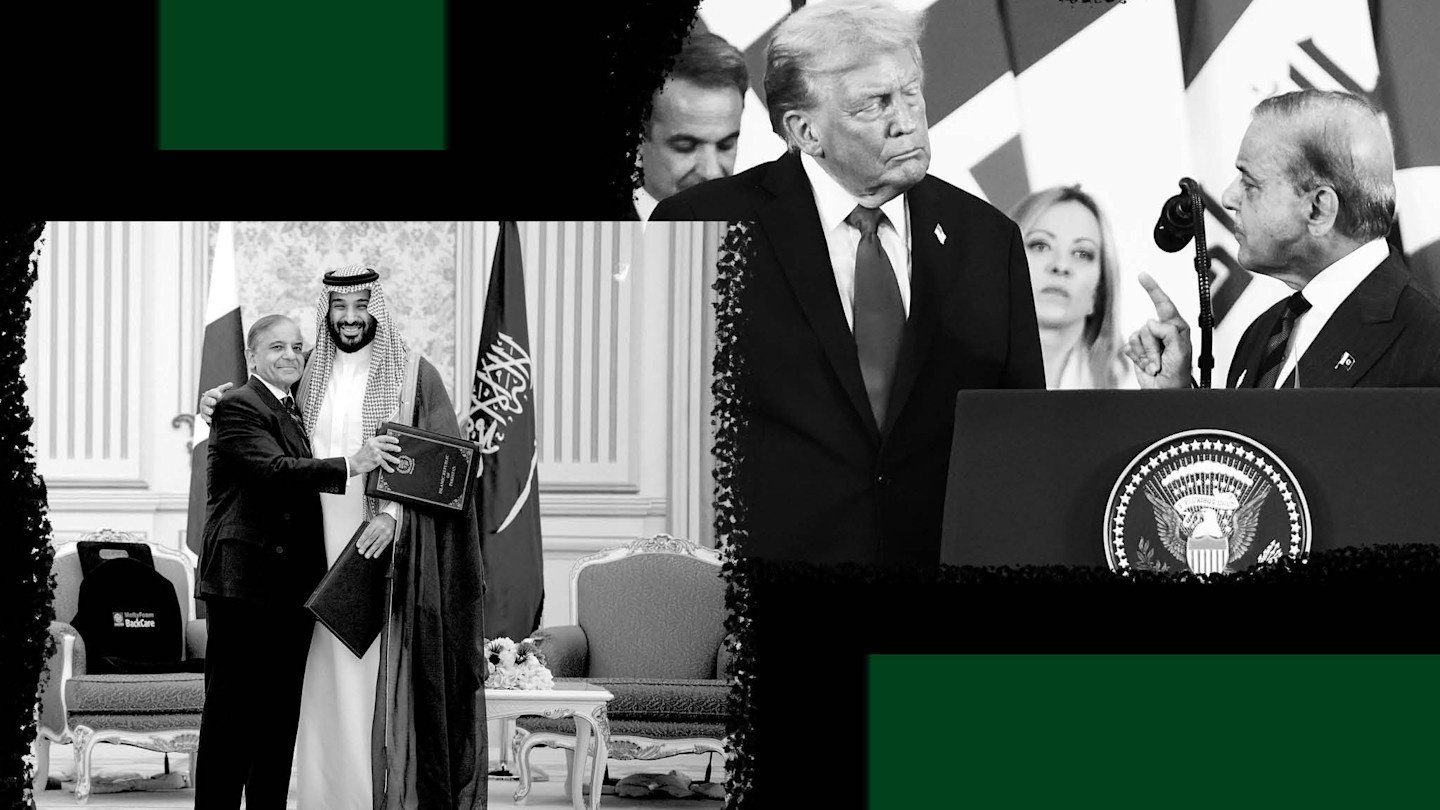
Amidst a rapidly ticking 48-hour ultimatum from the U.S., Iranian Foreign Minister Abbas Araghchi has clarified Tehran’s stance on diplomatic mediation. On Saturday, Araghchi refuted reports that Iran had stalled a peace initiative led by Pakistan, explicitly stating that his country remains open to dialogue in Islamabad.
Tehran’s Stance: Conditions for Peace
Araghchi’s comments follow a flurry of reports from The Wall Street Journal and Dawn suggesting that momentum for a ceasefire had slowed due to Iranian silence.
-
The Clarification: “We have never refused to go to Islamabad,” Araghchi posted on X, accusing U.S. media of misrepresenting Iran’s diplomatic position.
-
The “Conclusive” Requirement: While expressing gratitude for Pakistan’s efforts, Araghchi emphasized that any talks must lead to a “conclusive and lasting end” to what he termed the “illegal war” imposed on Iran since February 28.
-
Refuting the Collapse: Pakistan’s Foreign Office spokesperson, Tahir Andrabi, backed this stance, calling reports of the peace bid’s collapse “baseless” and a “figment of imagination.”
The Five-Point Peace Plan
Pakistan has emerged as a central mediator, collaborating with China to find a de-escalation route.
-
China-Pakistan Bloc: Following a high-level meeting between Pakistan’s Ishaq Dar and China’s Wang Yi in Beijing, a five-point peace proposal was drafted.
-
Regional Engagement: Dar discussed this plan with Saudi Foreign Minister Prince Faisal bin Farhan Al Saud on Friday, seeking broader Islamic and regional backing for the ceasefire.
War Update: Strikes on Critical Infrastructure
As diplomatic channels remain open, the physical conflict continues to intensify. On Saturday, joint U.S.-Israeli strikes targeted several strategic sites within Iran, including:
-
Energy & Industry: A petrochemical hub, a trade terminal, and a cement factory.
-
Nuclear Facilities: Reports indicate a strike on an Iranian nuclear plant.
The Human & Geopolitical Cost: The war, now in its sixth week, has already resulted in the death of Supreme Leader Ayatollah Ali Khamenei and several top military commanders. Iran has responded by disrupting global energy supply chains through the Strait of Hormuz, leading to President Trump’s current threat to “unleash hell” if the strait is not reopened by April 6.
Race Against Time
With only 48 hours remaining before the U.S. deadline, the Islamabad-mediated talks represent one of the few remaining windows for a diplomatic breakthrough. While the U.S. remains focused on the reopening of the shipping lanes, Iran insists that the blockade is a direct consequence of the ongoing strikes on its sovereign territory.
