

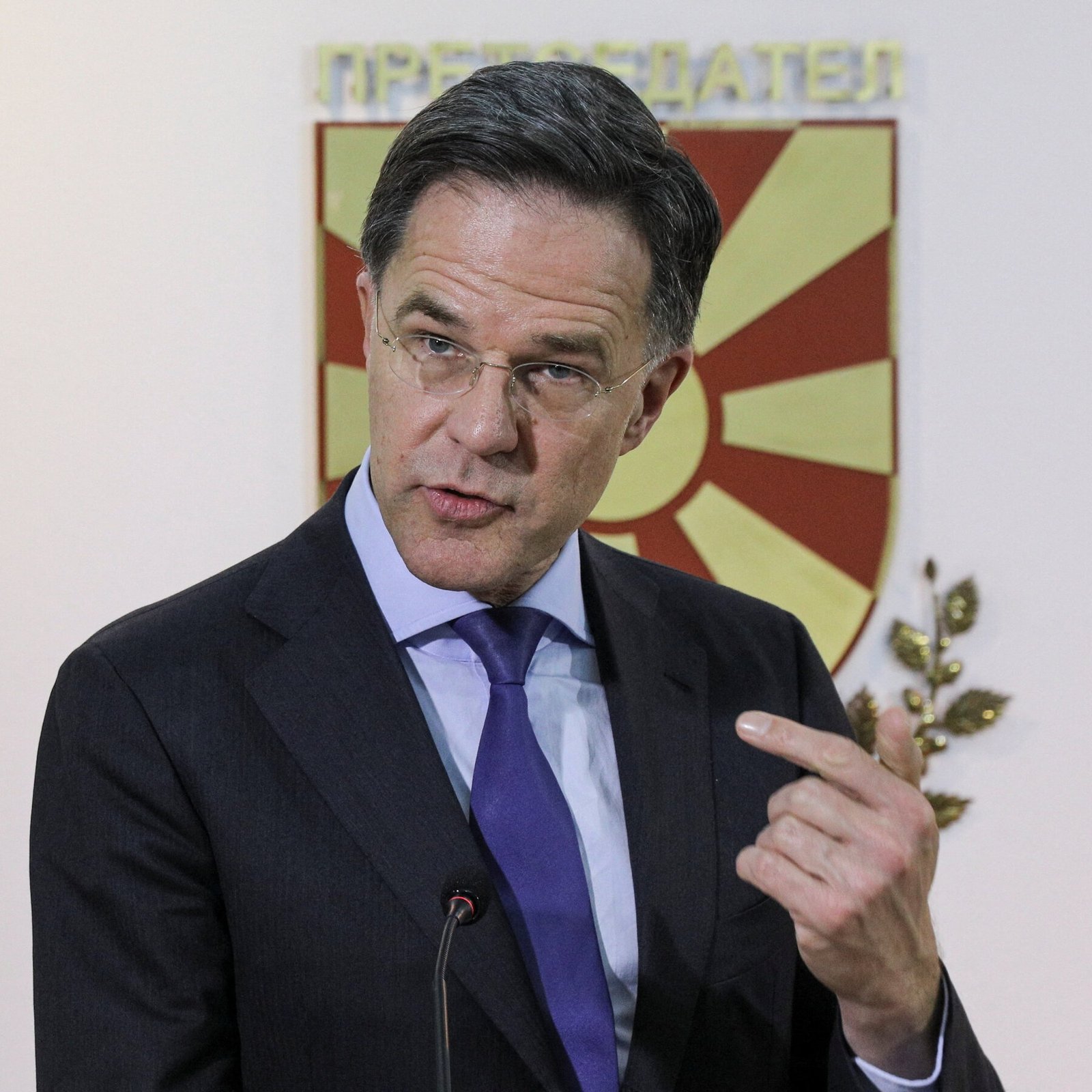
In a press conference held during the European Political Community summit in Armenia on May 4, 2026, NATO Secretary General Mark Rutte addressed the growing friction between the United States and its European allies regarding the conflict with Iran.
Rutte signaled that European nations have “gotten the message” from President Donald Trump following criticism that the continent was not providing sufficient support for U.S. operations in the Gulf.
Key Takeaways from Rutte’s Statement
1. Basing and Logistics
While Trump recently expressed his discontent by announcing the withdrawal of 5,000 U.S. troops from Germany, Rutte emphasized that many European allies are now stepping up:
-
Active Support: Nations including the UK, France, Germany, Italy, Greece, Portugal, Romania, Croatia, and Montenegro are reportedly honoring bilateral basing agreements and providing logistical support for the war effort.
-
The Spanish Exception: Spain remains a notable outlier, having officially barred the use of military bases on its soil for any operations related to the war with Iran.
2. Pre-positioning for the “Next Phase”
Rutte revealed a shift in European military posture aimed at securing the Strait of Hormuz:
-
Naval Assets: European countries are increasingly pre-positioning minehunters and minesweepers near the Gulf.
-
Strategic Readiness: These assets are being placed to prepare for a “next phase” of the conflict, which likely involves clearing maritime routes of Iranian-deployed mines.
3. Post-War Maritime Security
Multiple European nations have expressed a willingness to join a formal international mission to ensure freedom of navigation through the Strait of Hormuz, though many have stipulated this would only occur once active hostilities have concluded.
Analysis: The Trump Pressure Cooker
The Secretary General’s comments highlight the effectiveness of the Trump administration’s “transactional” approach to NATO. By leveraging troop withdrawals and public rebukes, the U.S. has successfully pressured European leaders to move beyond rhetoric and provide tangible military infrastructure for the Middle East campaign.
This alignment comes at a critical time, as the U.S. recently launched “Project Freedom” to secure stranded merchant vessels, an operation that will heavily rely on the logistical nodes and naval readiness Rutte described today.
