

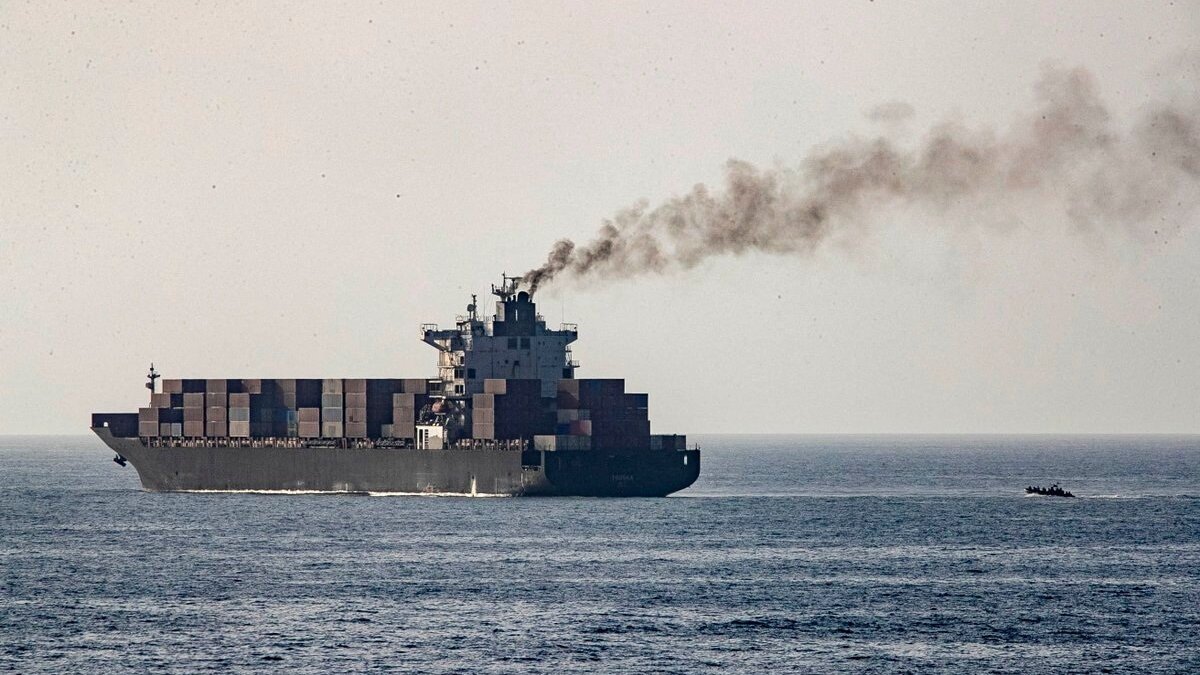
In a significant move toward easing maritime tensions, the United States has released the crew of the Iranian-owned vessel Touska. The crew is currently being repatriated to Tehran via Pakistan, a development that Iran is already framing as a major strategic and diplomatic victory.
The release follows weeks of heightened friction in the Middle East, marked by naval standoffs and a direct U.S. military intervention to enforce regional blockades.
Details of the Release
-
Repatriation via Pakistan: U.S. Central Command (CENTCOM) confirmed that 22 crew members were transferred to Pakistan for their final journey home. This follows the earlier movement of six other crew members.
-
Return of the Vessel: In addition to the crew, the Touska itself is being returned to its owners.
-
The Incident: The ship was originally intercepted by the U.S. Navy after allegedly attempting to bypass a U.S.-led blockade. The high-stakes seizure involved warning shots and a tactical boarding operation by U.S. Marines.
Geopolitical Implications
| Perspective | Narrative |
| Tehran’s View | Frames the release as a “major win,” suggesting that U.S. pressure tactics and blockades are failing to hold against Iranian persistence. |
| Washington’s View | Likely views the release as a de-escalatory gesture to prevent a full-scale naval conflict while diplomatic proposals (like the recent 14-point plan) are being reviewed. |
| Regional Impact | The use of Pakistan as a neutral intermediary highlights the continuing role of “shuttle diplomacy” in managing the volatile U.S.-Iran relationship. |
Context: The Strait of Hormuz Crisis
This development comes at a critical juncture for global shipping. While the Touska crew returns home, President Trump’s “Project Freedom” continues to mobilize U.S. assets to escort other commercial vessels through the high-risk zones of the Strait of Hormuz, where over two dozen attacks have been reported since the start of the conflict.
The return of the Touska may offer a brief window for diplomatic breathing room, though the Revolutionary Guards maintain that U.S. military presence in these waters remains a “breach of ceasefire.”
