

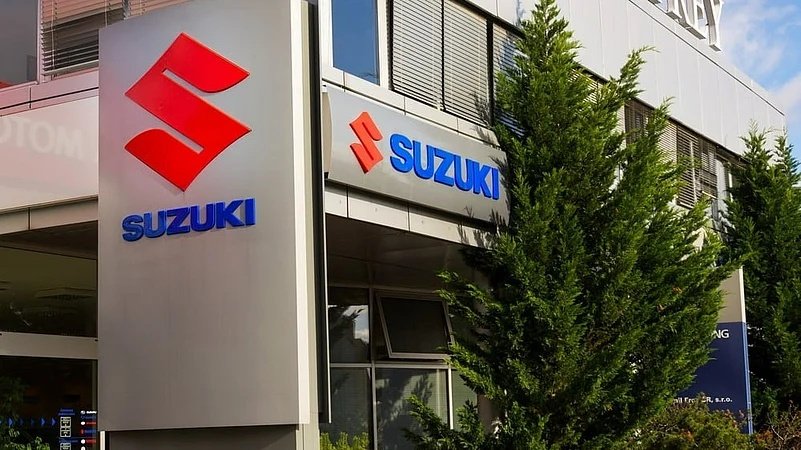
Maruti Suzuki India (MSIL), the country’s long-standing automotive leader, saw its domestic market share in the passenger vehicle (PV) segment drop to 39.26% in FY26. According to the latest data from the Society of Indian Automobile Manufacturers (SIAM), this represents the company’s lowest market grip in 13 years.
The decline marks the third consecutive year that Maruti Suzuki’s market share has shrunk, a significant shift for a brand that once consistently commanded nearly 50% of the Indian market.
The Downward Trend: FY26 in Context
The fall to sub-40% levels highlights a changing landscape in the Indian automotive sector. While Maruti remains the largest manufacturer by volume, several factors have contributed to this multi-year slide:
-
The SUV Surge: While Maruti has expanded its SUV portfolio (Grand Vitara, Fronx, Jimny), aggressive competition from Tata Motors, Mahindra, and Hyundai in the mid-size and compact SUV segments has chipped away at Maruti’s dominance.
-
The Hatchback Slump: Maruti’s core strength has traditionally been small cars. However, the Indian market is witnessing a “premiumization” trend, with first-time buyers increasingly skipping entry-level hatchbacks in favor of micro-SUVs and crossovers.
-
Diesel & EV Gaps: Maruti’s strategic exit from the diesel segment continues to impact its share in certain rural and SUV markets. Furthermore, while rivals like Tata and Mahindra have established early leads in the Electric Vehicle (EV) space, Maruti’s first major EV (the eVX) is only recently hitting the market.
Market Share Comparison (Recent Years)
| Fiscal Year | Market Share (%) | Status |
| FY19 | ~51% | Peak Dominance |
| FY24 | 41.7% | Initial Pressure |
| FY25 | 40.5% | Narrow Margin |
| FY26 | 39.26% | 13-Year Low |
Strategic Outlook for FY27
To reclaim its lost ground, Maruti Suzuki is reportedly shifting focus toward several key pillars:
-
Hybrid Expansion: Leveraging its partnership with Toyota to offer strong-hybrid technology as a viable alternative to diesel for long-distance commuters.
-
EV Offensive: The rollout of its “Born EV” platforms to compete directly with the Tata Punch.ev and Nexon.ev.
-
Alternative Fuels: Doubling down on CNG and Flex-Fuel models to capture the budget-conscious segment that is pivoting away from high petrol prices.
Despite the drop in percentage, Maruti Suzuki remains the volume king in India, though the narrowing gap between the leader and its challengers suggests a more fragmented and competitive decade ahead for the Indian auto industry.
