

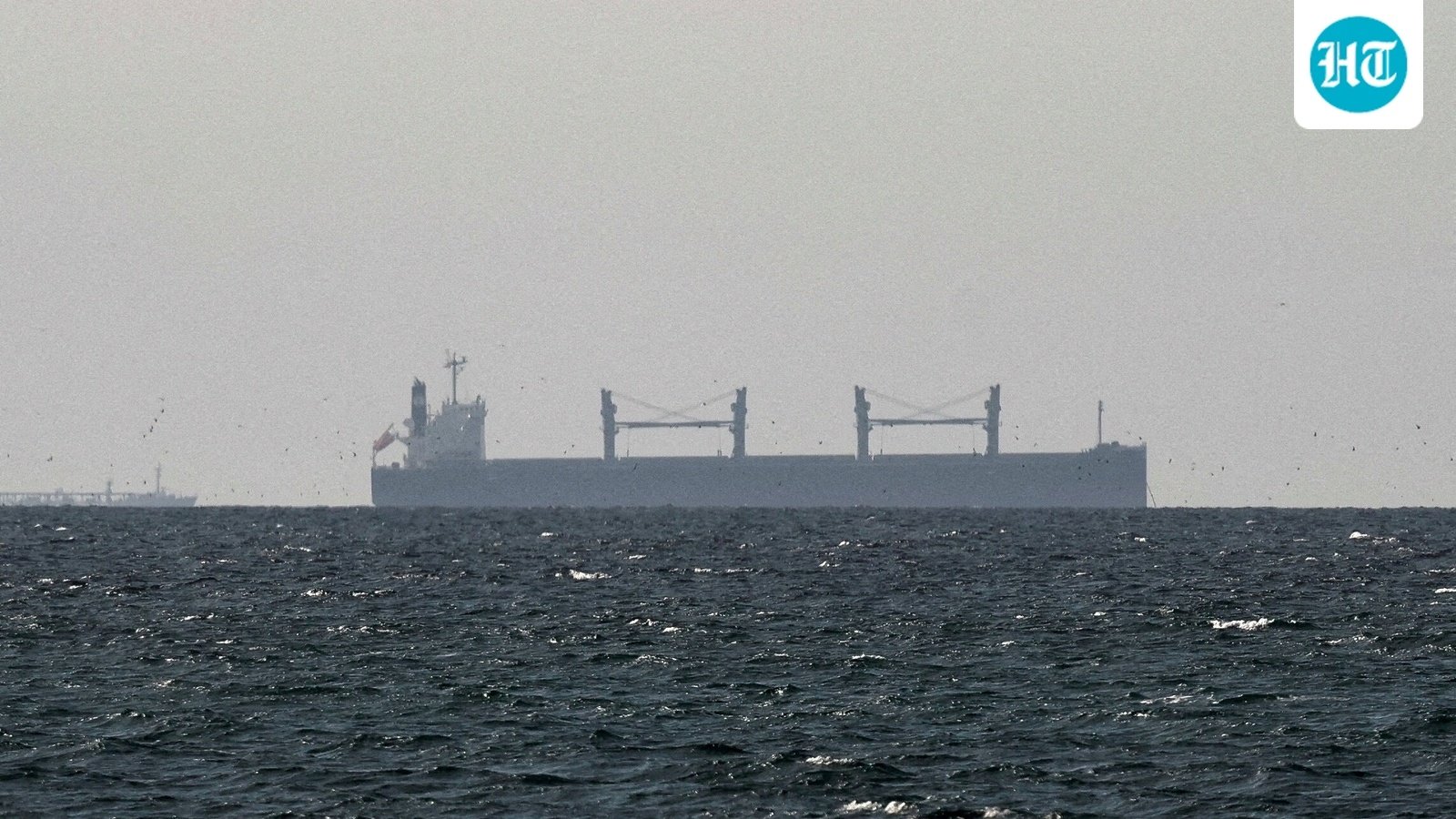
A critical hurdle has emerged in the effort to stabilize global energy markets: the Strait of Hormuz remains effectively closed because Iran is reportedly unable to locate and remove its own sea mines.
According to a New York Times report citing U.S. officials, the mines were deployed “haphazardly” during the heat of the conflict, and Tehran now lacks the technical capability to clear the waterway, even as a fragile two-week ceasefire holds.
The “Drifting Death” Problem
The blockade of the Strait—a primary artery for global oil—has lasted for over a month. The report highlights several logistical failures in Iran’s mining strategy:
-
Poor Record-Keeping: It is unclear if Iranian forces accurately logged the coordinates of every mine deployed.
-
Unstable Placement: Many mines were placed in a manner that allowed them to drift or shift with the currents, making initial coordinates obsolete.
-
Limited Clearance Tech: Clearing mines is significantly more difficult than laying them. The report notes that even the U.S. military has limited rapid-clearing capabilities, relying on specific littoral combat ships, while Iran lacks the infrastructure for a quick sweep.
A High-Stakes Bargaining Chip in Islamabad
As Vice President JD Vance begins peace talks in Islamabad today, the status of the Strait has become a central point of contention:
-
The U.S. Demand: President Trump has utilized Truth Social to demand the immediate reopening of the Strait as a non-negotiable condition for ending the war.
-
The Iranian Counter: Tehran is reportedly seeking formal control over the Strait of Hormuz as part of its ten-point peace proposal.
Global Impact: The Energy Crisis
The continued closure has moved beyond a military issue into a global economic crisis. Countries like India are facing significant energy shortages and rising costs at home as tankers remain anchored, fearing both the unmapped mines and potential drone strikes.
Saturday, April 11, 2026: News Roundup
1. The Islamabad Peace Summit
-
Optics of War: Iranian Speaker Ghalibaf arrived in Pakistan with photos of 165 children killed in the Minab school strike, labeling them his “companions” to remind negotiators of the war’s human cost.
-
Vance as Broker: Tehran reportedly views JD Vance as a “reasonable” anti-war voice, though they remain deeply suspicious of other delegation members like Jared Kushner.
2. Military Dissent
-
Pentagon Challenged: U.S. soldiers from the 103rd Sustainment Command publicly called Defense Secretary Pete Hegseth’s account of the Kuwait drone strike a “falsehood,” stating they were left in a “lightly protected” facility with no air defenses.
3. National Security & Crime (India)
-
PM Security Threat: A Bihar man was arrested for using the dark web to offer PM Modi’s security details to a foreign intelligence agency.
-
UP Lawyer Murder: Two attackers shot a senior advocate in Mirzapur; their escape was delayed for several minutes when their motorcycle failed to start at the scene.
4. Regional Tragedy
-
Karnataka Search Ends: The body of Sri Nanda, a 14-year-old girl from Kerala, was found in a 1,500-foot valley in Chikkamagaluru four days after she went missing during a family trek.
