

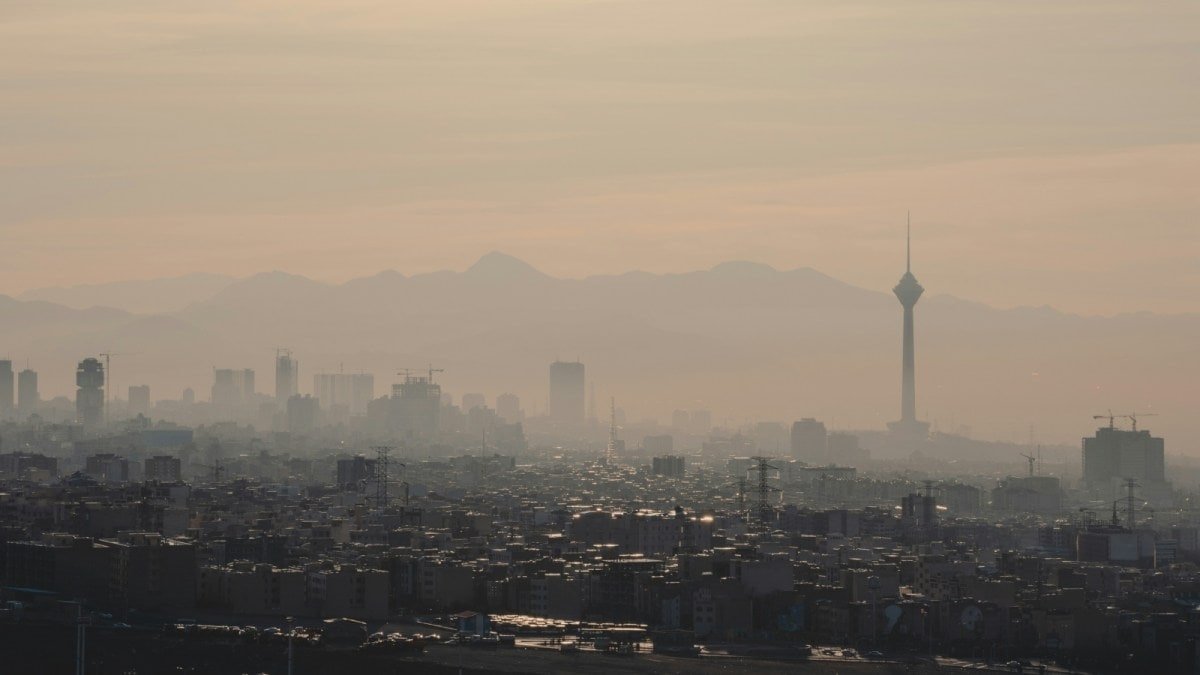
NEW DELHI — In a startling shift in global air quality rankings, Loni in Uttar Pradesh has been named the world’s most polluted city, officially overtaking Delhi. According to the World Air Quality Report 2025 released by Swiss firm IQAir on Tuesday, Loni recorded a staggering annual average PM2.5 level of 112.5µg/m³—more than 22 times the safe limit set by the World Health Organization (WHO).
While the broader Delhi region saw a marginal 8% improvement in air quality, it remains the world’s fourth most polluted city, while New Delhi continues its streak as the world’s most polluted capital.
The Global “Top 5” (PM2.5 Levels)
The 2025 data shows that India, Pakistan, and China continue to dominate the list of the world’s most toxic urban environments.
| Rank | City | Country | Avg PM2.5 (µg/m³) |
| 1 | Loni | India | 112.5 |
| 2 | Hotan | China | 109.6 |
| 3 | Byrnihat | India | 101.6 |
| 4 | Delhi (NCT) | India | 99.6 |
| 5 | Faisalabad | Pakistan | 95.8 |
A Tale of Two Delhis
The report makes a critical distinction between the wider National Capital Territory (NCT) and the specific capital area:
-
New Delhi: Ranked as the most polluted capital city globally with an average of 82.2µg/m³.
-
Delhi (NCT): Recorded an average of 99.6µg/m³.
-
Regional Poor Performers: Other NCR cities also fared poorly, with Ghaziabad (7th), Noida (18th), and Gurugram (23rd) all appearing in the global top 25.
The National Picture: “A Fragile Asset”
India is currently ranked as the sixth most polluted country in the world, down one spot from fifth in 2024. While the national average PM2.5 levels saw a modest 3% decline, the numbers remain dangerously high.
“Only 14% of global cities met the WHO standards in 2025,” said IQAir Global CEO Frank Hammes. “Air quality is a fragile asset that requires active stewardship to protect public health.”
Key Concerns Raised by Experts:
-
Regulation Gaps: Analysts from the Centre for Research on Energy and Clean Air (CREA) pointed out that over 115 Indian cities exceed even India’s own “lenient” air quality standards (40µg/m³).
-
Unmonitored Pollutants: There is a growing call for the Commission for Air Quality Management (CAQM) to regulate gaseous pollutants at the source, rather than just focusing on particulate matter.
Why Loni?
Loni’s 23% spike in pollution from the previous year is attributed to a combination of seasonal smog, dust storms, and localized industrial emissions. As a key part of the National Capital Region (NCR), its surge highlights the difficulty of managing air quality across state borders.
