

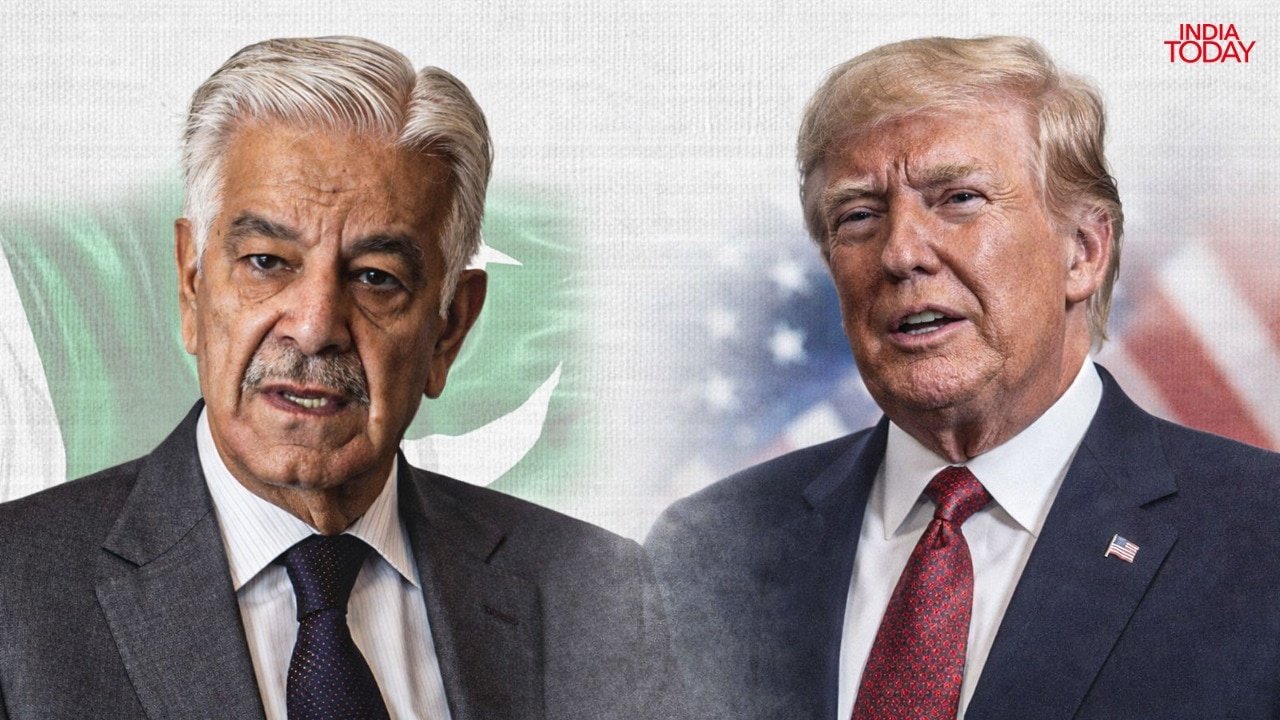
ISLAMABAD — Pakistan’s Defence Minister Khawaja Asif has publicly ridiculed the United States’ shifting strategic goals in the Middle East, pointing out the irony of a military campaign now focused on reopening a waterway that was functional before the conflict began.
As Islamabad attempts to position itself as a neutral mediator in the escalating war, Asif took to X (formerly Twitter) to highlight what he views as a circular military logic:
“The goal of the war seems to have shifted to opening the Strait of Hormuz, which was open before the war,” Asif posted, mocking the U.S.-Israeli campaign’s objectives.
Shipping Paralysis: A 95% Drop
The Strait of Hormuz, the world’s most vital artery for oil and liquefied natural gas (LNG), has been effectively strangled by the conflict. Data reveals a catastrophic decline in maritime traffic:
-
Pre-War Average: ~120 vessel transits per day.
-
March 1–25 Activity: Only 155 total crossings (approx. 6 per day).
-
The Impact: A 95% decrease in daily energy shipping, according to analytics firm Kpler.
-
Current Status: On Wednesday, only two vessels were detected crossing the strait heading west.
The Duel of Proposals
The diplomatic front remains deadlocked as both Washington and Tehran have exchanged vastly different terms for a potential truce.
The U.S. 15-Point Proposal: According to Pakistani officials, the American plan includes:
-
Sanctions relief in exchange for a nuclear program rollback.
-
Strict limits on Iranian missile capabilities.
-
The immediate, guaranteed reopening of the Strait of Hormuz.
The Iranian Counter-Proposal: Tehran dismissed the U.S. plan, instead demanding:
-
Reparations for war damages.
-
A permanent halt to the “targeted killings” of Iranian officials.
-
Explicit recognition of Iranian sovereignty over the Strait of Hormuz.
The Human and Economic Toll
The conflict has moved far beyond a local skirmish, resulting in a growing regional humanitarian crisis.
-
Casualties: Over 1,500 deaths in Iran, 1,100 in Lebanon, and 13 U.S. military members.
-
Displacement: Millions of civilians across Lebanon and Iran have been forced to flee their homes.
-
Energy Crisis: With 20% of the world’s oil stuck behind the blockade, global energy markets are bracing for prolonged instability.
Despite the White House insisting that talks remain “productive,” Iran’s Foreign Ministry has stated flatly on state TV: “No negotiations have happened with the enemy until now.”
