

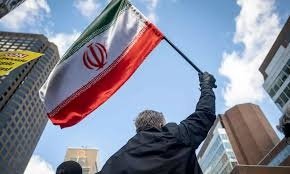
TEHRAN / NEW DELHI — In a major diplomatic development amid the ongoing regional conflict, Iranian Foreign Minister Abbas Araghchi has announced that the strategic Strait of Hormuz is being reopened for “friendly nations,” specifically naming India, Pakistan, China, Russia, and Iraq.
The move follows intense global pressure and a direct plea from UN Secretary-General António Guterres, who warned that the waterway’s closure was “choking” the global supply of oil, gas, and fertilizers during a critical planting season.
The “Enemy vs. Friend” Policy
Tehran’s new maritime directive clarifies that while the Strait remains closed to “hostile” forces—primarily the U.S. and Israel—it will serve as a protected corridor for specific partners.
-
The Announcement: Araghchi stated, “The Strait of Hormuz is not completely closed—it is closed only to enemies.”
-
The “Friendly” List: India, China, Russia, Iraq, and Pakistan.
-
The Condition: Passage is permitted provided these vessels do not support acts of “aggression” against Iran and coordinate strictly with Iranian authorities.
India’s Energy Security: LPG Carriers Clear the Strait
The Indian government has moved quickly to secure its energy interests. The Ministry of Shipping confirmed that several Indian-flagged vessels have already navigated the high-tension zone safely.
| Vessel Name | Cargo | Status | Expected Arrival |
| Jag Vasant | 47,600 MT LPG | Crossed Hormuz | Kandla Port (Mar 26) |
| Pine Gas | 45,000 MT LPG | Crossed Hormuz | New Mangalore (Mar 27) |
| MT Shivalik | 46,000+ MT LPG | Arrived | Gujarat (Already Docked) |
| MT Nanda Devi | 46,000+ MT LPG | Arrived | Gujarat (Already Docked) |
Despite this reprieve, approximately 20 Indian-flagged vessels and 540 seafarers remain in the Persian Gulf, with the government focusing on their phased and safe exit.
Sovereignty and the “Toll” Debate
The reopening comes with a controversial new framework. Reports from Tehran suggest the Iranian Parliament is drafting a bill to formalize its “sovereign regime” over the Strait.
-
The Toll Proposal: Some Iranian lawmakers have proposed charging “transit fees” to offset the costs of the war.
-
The “2 Million Dollar” Rumor: While reports suggested a $2 million fee per ship, the Iranian Embassy in India has dismissed these claims as “unfounded,” calling them the personal views of individuals rather than official policy.
-
Counter-Demands: Iran has made formal recognition of its sovereignty over the Strait a central condition in its counter-proposal to President Trump’s 15-point peace plan.
Global Impact
The UN has hailed the selective reopening as a necessary step to prevent a total “SaaSpocalypse” of the global energy market. However, with oil prices remaining volatile and 88% of India’s crude oil typically transiting through this region, the situation remains precarious.
