

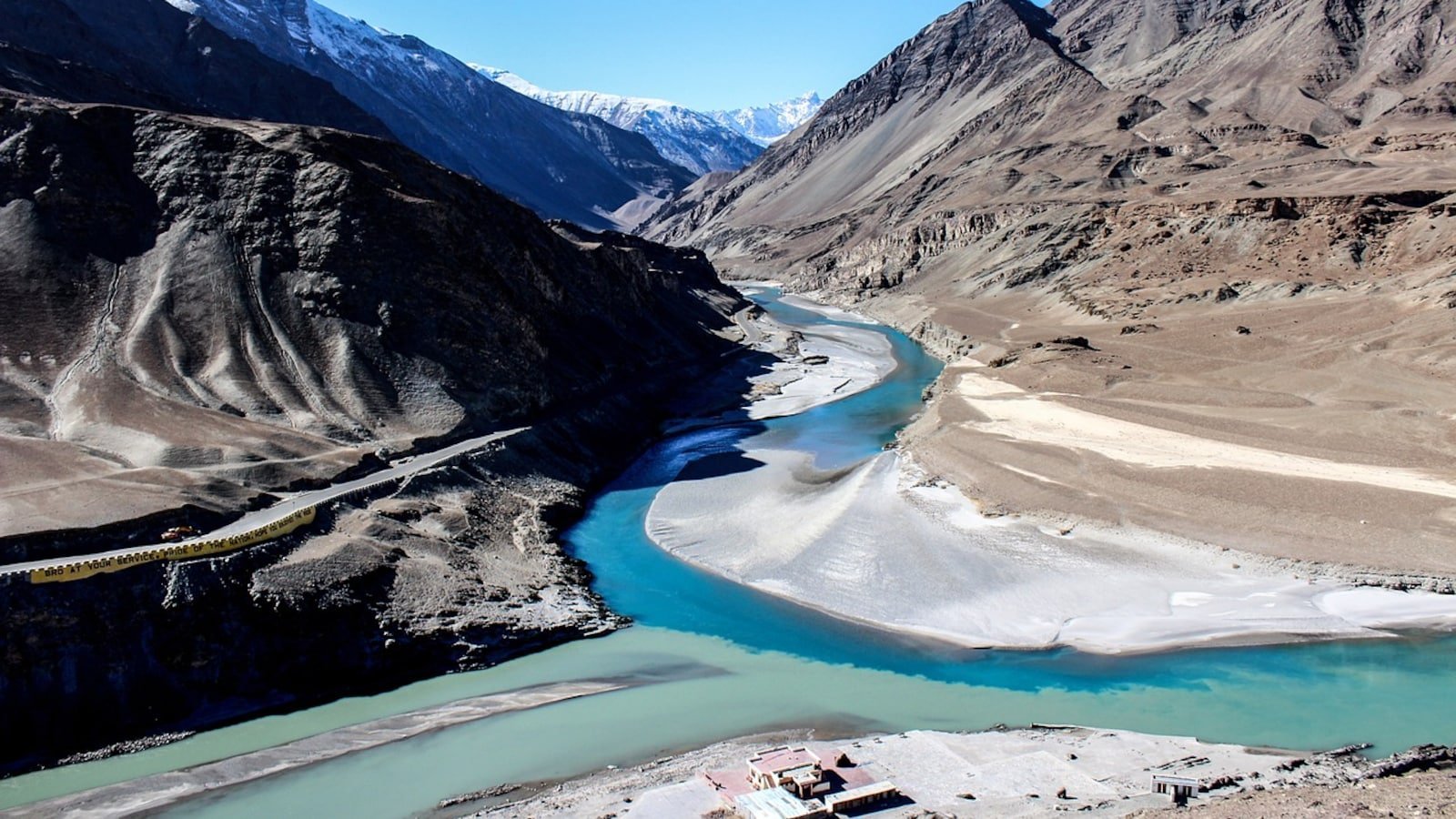
India has firmly rejected a ruling by the Hague-based Permanent Court of Arbitration (PCA) which stated that the 1960 Indus Waters Treaty (IWT) remains fully in force and that New Delhi had no justification to suspend it. The Ministry of External Affairs (MEA) declared that the tribunal has “no jurisdiction whatsoever” over India’s sovereign decisions.
Key Aspects of the Stance
-
The Suspension Context: India placed the Indus Waters Treaty in abeyance following the April 22 terrorist attack in Pahalgam, maintaining its core diplomatic doctrine that “blood and water cannot flow together.”
-
Objection to the Tribunal: New Delhi has consistently refused to recognize the Court of Arbitration, arguing that its constitution by the World Bank was done in “patent breach” of the treaty’s provisions.
-
Dispute Resolution Preference: India maintains that technical disagreements—such as those concerning the Kishenganga and Ratle hydroelectric projects—should exclusively be examined by a Neutral Expert as outlined in the framework of the accord, rather than a parallel Court of Arbitration.
-
Firm Position: The MEA asserted that the tribunal’s pronouncements are legally void regarding India and will have zero impact on its sovereign actions or ongoing domestic infrastructure projects.
