

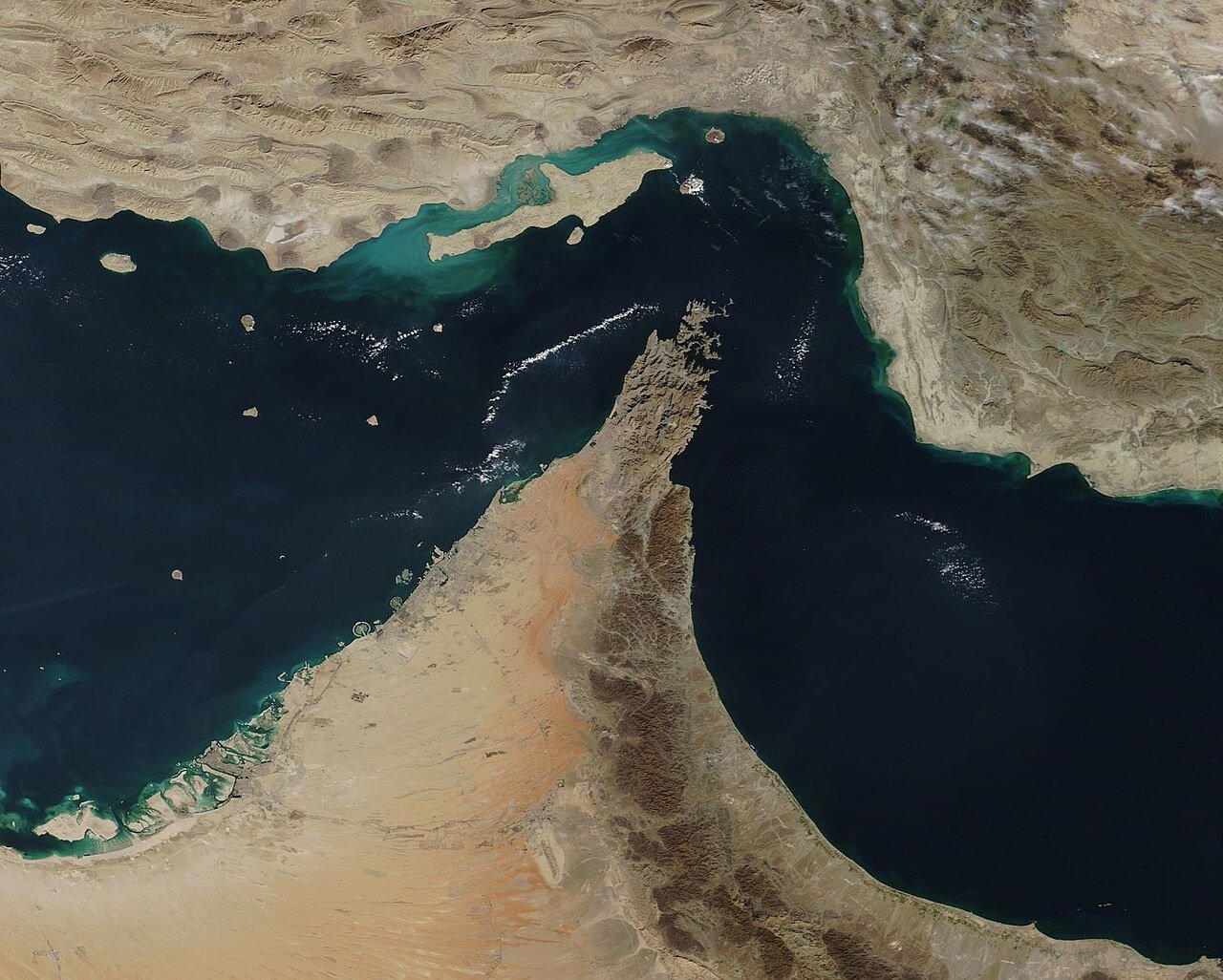
The Ministry of External Affairs (MEA) confirmed on Thursday, April 2, 2026, that India will participate in a high-level international meeting focused on resolving the ongoing blockade of the Strait of Hormuz.
Foreign Secretary Vikram Misri is attending the virtual talks, which were convened by the United Kingdom to address escalating maritime security concerns and the global energy crisis.
Key Details of the Meeting
-
Host: The United Kingdom (Foreign Secretary Yvette Cooper).
-
Participants: Approximately 35–40 countries, including France, Germany, Italy, Canada, the UAE, and India.
-
Notable Absence: The United States is reportedly not participating, following President Trump’s statement that securing the waterway is the responsibility of the nations that rely on it.
-
Objective: To explore diplomatic and political measures to restore “freedom of navigation” and ensure the safe passage of trapped vessels carrying vital commodities like oil and LNG.
India’s Strategic Position
MEA spokesperson Randhir Jaiswal highlighted India’s proactive role in safeguarding its economic and energy interests:
-
Energy Security: India is in constant contact with Iran and other regional stakeholders to ensure the safe transit of ships carrying LPG and LNG.
-
Recent Success: Through ongoing diplomatic efforts, six Indian ships have successfully crossed the Strait of Hormuz in recent days despite the heightened tensions.
-
Neutral Engagement: India clarified that its involvement is focused strictly on maritime safety and energy security rather than participating in a multinational military peace initiative.
Context of the Crisis
The Strait of Hormuz, which facilitates nearly 20% of the world’s oil and gas transit, has been effectively paralyzed since late February 2026. The crisis follows a series of military strikes involving the U.S., Israel, and Iran, leading to a partial closure of the waterway.
“Nations that rely on the Strait must grab it and cherish it.” > — U.S. President Donald Trump, signaling a shift in American maritime policy.
What Happens Next?
Following this diplomatic meeting, the UK plans to convene military planners to discuss technical ways to make the strait accessible once a political framework is established. For India, the priority remains the evacuation of its nationals—with 1,200 already moved via Armenia and Azerbaijan—and maintaining the flow of energy resources to prevent domestic price shocks.
