

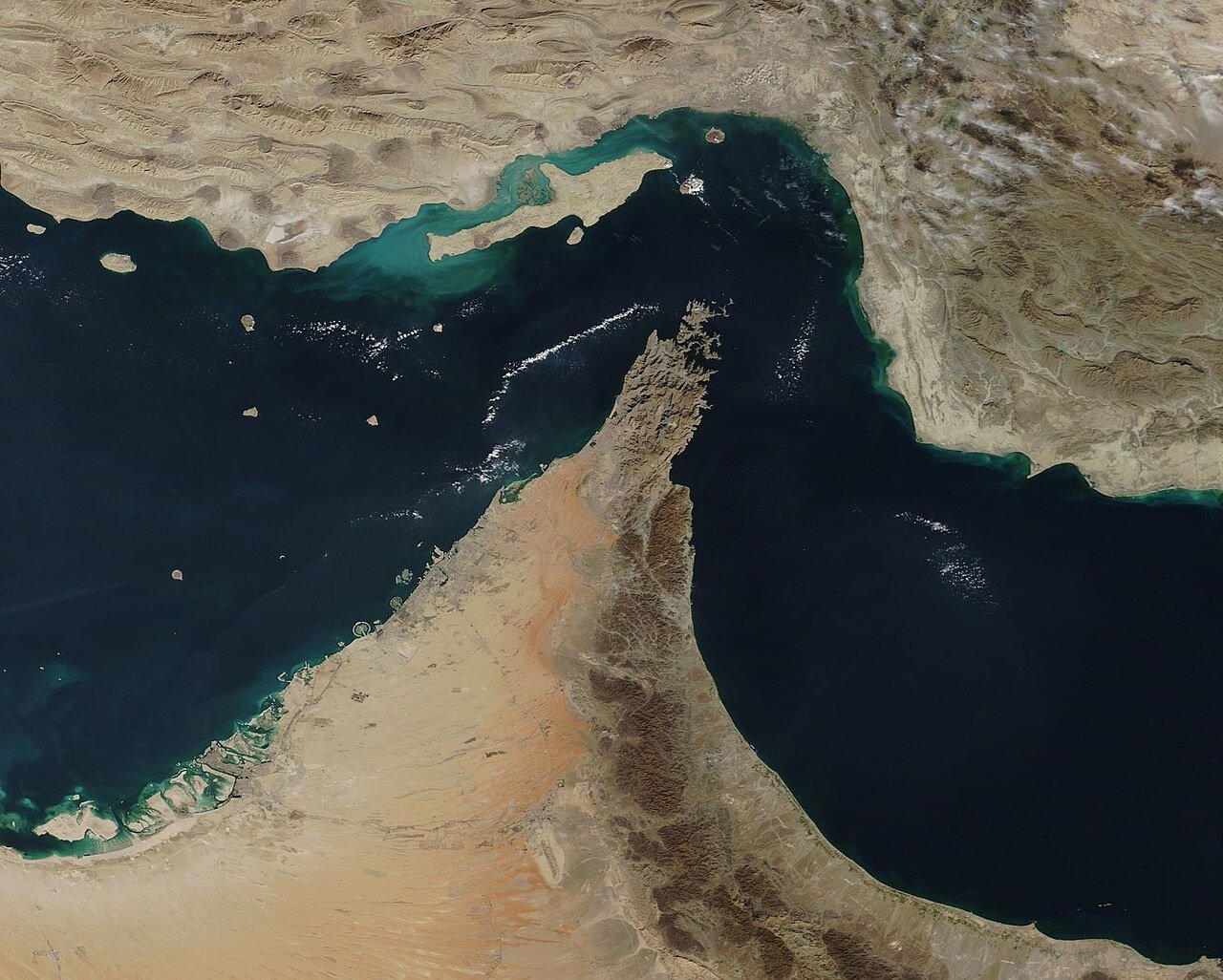
The fragile two-week ceasefire brokered between the United States and Iran has been pushed to the brink of collapse. Less than 24 hours after the deal was announced, Iran shuttered the Strait of Hormuz—a move that threatens to paralyze global energy markets—citing a massive Israeli military escalation in Lebanon.
The Catalyst: Israeli Strikes and Rising Casualties
Despite the diplomatic breakthrough between Washington and Tehran, the Israeli military launched a ferocious aerial campaign against Hezbollah targets in Lebanon.
-
The Scale: Over 100 air strikes were conducted within a single 10-minute window.
-
The Human Cost: Reports indicate a rising death toll, with figures ranging from 89 to 250 killed, and nearly 1,000 wounded.
-
The Strategy: Israeli Prime Minister Benjamin Netanyahu clarified that while he supports the US-Iran truce, it does not extend to Lebanon. He emphasized that the “separate skirmish” with Hezbollah remains a priority for Israeli security.
Diplomatic Friction and the “Separate Deal”
US President Donald Trump confirmed that Hezbollah was intentionally excluded from the ceasefire negotiations. Speaking to PBS News, Trump backed the continued Israeli operations, stating, “They were not included in the deal. That’ll get taken care of too.”
This distinction has created a volatile paradox:
-
The Truce: Iran agreed to halt attacks on US and regional interests and open the Strait of Hormuz for two weeks.
-
The Conflict: Israel continues its offensive in Lebanon, which Iran views as a violation of the spirit of the peace process.
Global Implications: The Strait of Hormuz
The closure of the Strait is a major blow to the US administration’s efforts to stabilize global energy supplies. The White House has issued an immediate demand for the waterway to be reopened.
“Any closure is completely unacceptable. I will reiterate the president’s expectation and demand that the Strait of Hormuz is reopened immediately, quickly, and safely.” — Karoline Leavitt, White House Press Secretary
What’s Next?
The crisis has introduced several complicating factors for the coming days:
-
Mediation: Reports suggest Pakistan has emerged as a key mediator trusted by both Washington and Tehran.
-
US Involvement: Vice President JD Vance is reportedly being dispatched to Pakistan to facilitate further talks.
-
Internal Iranian Dynamics: Mojtaba Khamenei, who played a quiet but pivotal role in the initial truce, has ordered the Iranian military to cease fire but warned that “no deal is permanent” if Israeli strikes persist.
The situation remains fluid as oil prices react to the closure of the world’s most vital maritime chokepoint and the prospect of a wider regional “World War” looms in the rhetoric of global investors.
