

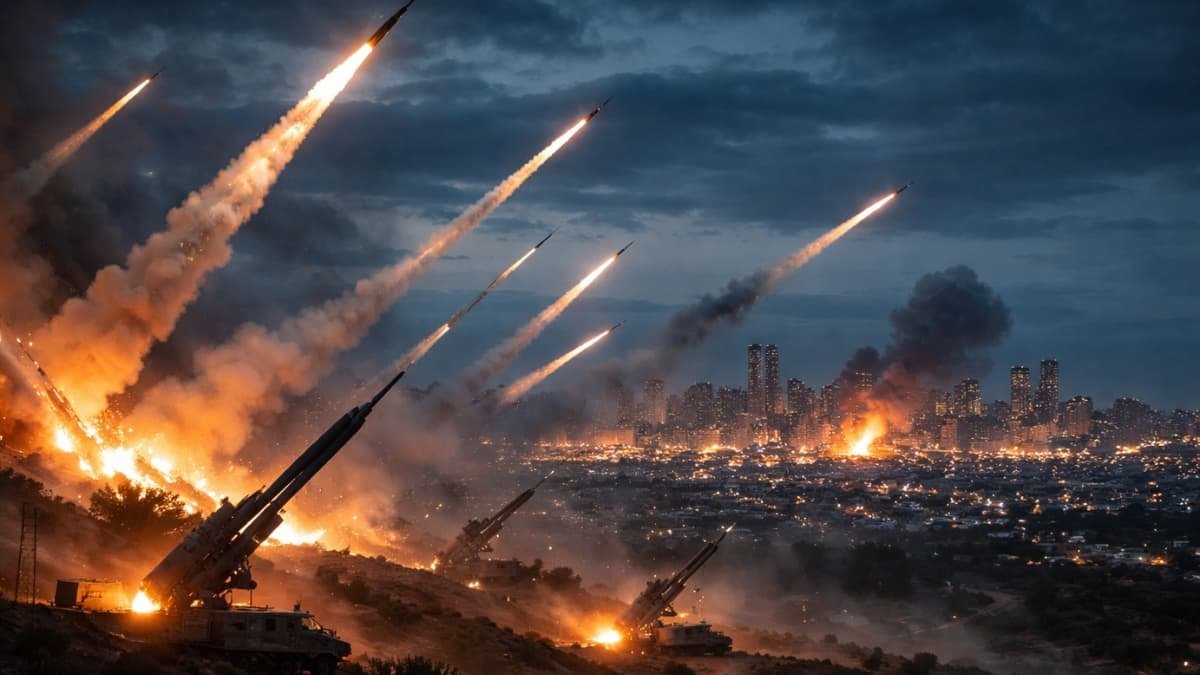
TEHRAN, MARCH 23, 2026 — While global markets rallied on news of a temporary truce, the reaction inside Iran has been one of coordinated derision. State-aligned media outlets moved swiftly today to frame US President Donald Trump’s decision to suspend strikes on Iran’s power grid not as diplomacy, but as a “hollow retreat” forced by Iranian military deterrence.
The unified narrative from Tehran suggests that while the US is looking for an exit strategy, Iran is doubling down on its “path of deterrence” rather than making concessions.
“Psychological Warfare”: State Media Rejection
Despite Trump’s claims of “productive conversations,” Iran’s major news organs have flatly denied any contact with Washington:
-
Press TV: Reported that a senior security official dismissed the talk of negotiations as “psychological warfare.” The outlet claimed Trump withdrew his strike offer only due to “credible military threats” and “rising financial pressures” in the West.
-
Mehr News: Labeled Trump’s original threat to “obliterate” Iran’s energy infrastructure as a “bluff,” citing the postponement as proof that Washington has been “forced” to reconsider its position.
-
Tehran Times: Described the President’s strategy as a “retreat masquerading as diplomacy.“
The Deterrence Narrative
Iranian state broadcaster IRIB linked the five-day pause directly to Tehran’s recent strikes on Israeli energy sites and the ongoing blockade of the Strait of Hormuz. The messaging is clear: the US paused not out of goodwill, but because Iran successfully placed the entire region’s power grid and energy flow “in the line of fire.“
“Trump and America have backed down again,” stated Ebrahim Rezaei, spokesperson of the National Security and Foreign Policy Commission. “The field is still charging forward. Another defeat for the devil.”
A Narrow Window for Peace
The Iranian reaction underscores the massive gap between the White House narrative and the reality in Tehran:
-
No Direct Talks: Iranian officials maintain there are zero direct or indirect communications with the US.
-
Mutual Escalation: Media reports suggest that Iran views the energy grid as an active battlefield and has no intention of reopening the Strait of Hormuz until its own damaged plants are repaired.
-
Ultimatum vs. Opportunity: Tehran views the five-day window as a mere delay of “ongoing plans for attacks,” promising a full-scale defense if the US resumes its campaign.
Impact on Global Sentiment
While the “Trump Truce” provided a temporary breather for the Sensex and Nifty, the venomous reaction from Tehran’s media indicates that the diplomatic space for a real resolution is incredibly thin. With both sides claiming the upper hand, the five-day clock is ticking toward a potentially even more volatile showdown.
