

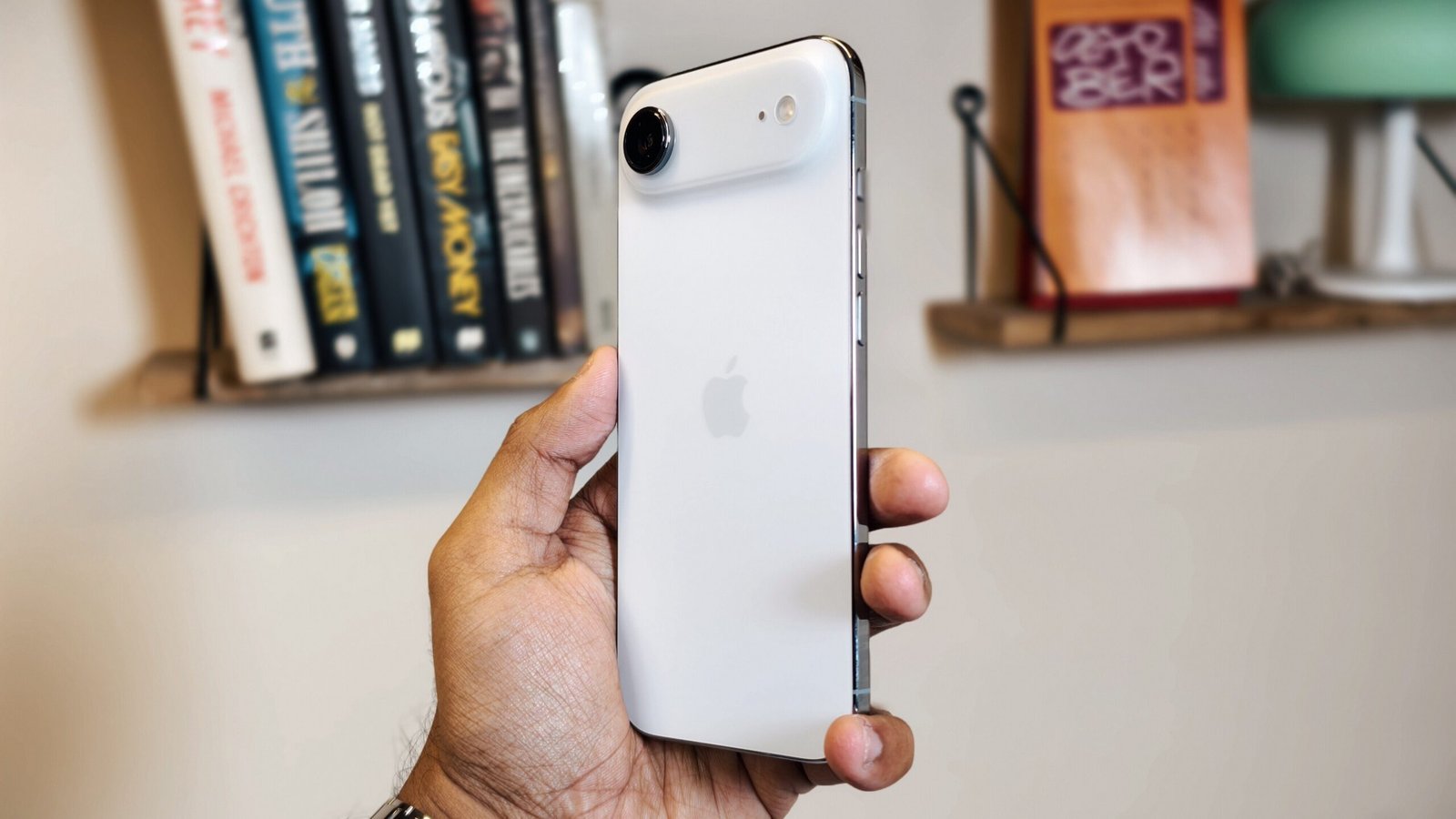
While Apple has yet to officially confirm any details regarding the iPhone 18 series, a steady stream of industry leaks and supply-chain reports has provided a clearer picture of what to expect. Rather than a complete physical redesign, the upcoming generation is expected to focus heavily on raw processing efficiency, on-device AI capabilities, and advanced camera hardware.
1. Unprecedented Split Launch Timeline
The most notable shift in early reports is a potential overhaul of Apple’s flagship release strategy. Instead of revealing all models at a single autumn event, Apple may stagger the release:
-
Fall 2026 (September): Debut of the premium lineup—the iPhone 18 Pro, iPhone 18 Pro Max, and Apple’s long-rumored first iPhone Fold.
-
Spring 2027 (March): Arrival of the standard iPhone 18, a budget-oriented iPhone 18e, and potentially a second-generation iPhone Air.
This staggered schedule would give Apple’s highest-tier, highest-margin devices dedicated spotlight during the traditional holiday shopping season.
2. Key Hardware & Feature Upgrades
| Hardware Feature | Expectation / Rumored Detail |
| Processor | A20 / A20 Pro built on TSMC’s 2-nanometer (2nm) process (up to 15% faster, 30% more efficient). |
| Main Camera | Variable aperture on Pro models for improved light control, depth of field, and low-light performance. |
| Memory (RAM) | 12GB RAM on Pro variants to power advanced on-device Apple Intelligence features. |
| Display & Design | Slightly smaller Dynamic Island; improved brightness and LTPO+ power efficiency. |
| Cellular Modem | Introduction of Apple’s second-generation C2 modem (with mmWave 5G support). |
Next-Gen 2nm A20 Chipset
The iPhone 18 lineup is expected to mark Apple’s jump to a 2-nanometer (2nm) manufacturing node. Built on TSMC’s N2 process, the A20 (for standard models) and A20 Pro (for Pro models) are designed to yield higher transistor density, offering better power efficiency and significantly higher speed for local AI tasks.
Variable Aperture Camera
For smartphone photography enthusiasts, the main camera on the Pro series could receive a mechanical variable aperture. This allows the physical lens opening to adjust automatically or manually, providing native control over depth-of-field blur and light capture without relying solely on software trickery.
3. Potential Price Adjustments
Due to rising component costs—specifically the expensive 2nm silicon wafers and higher RAM configurations—analysts speculate that the premium Pro models could see price increases. While the standard models releasing in early 2027 are expected to remain accessible, final pricing across all tiers won’t be set until Apple’s official announcement.
Note: All details regarding the iPhone 18 series are currently based on supply chain rumors and analyst forecasts. Specifications and release dates are subject to change before Apple’s official keynotes.
