

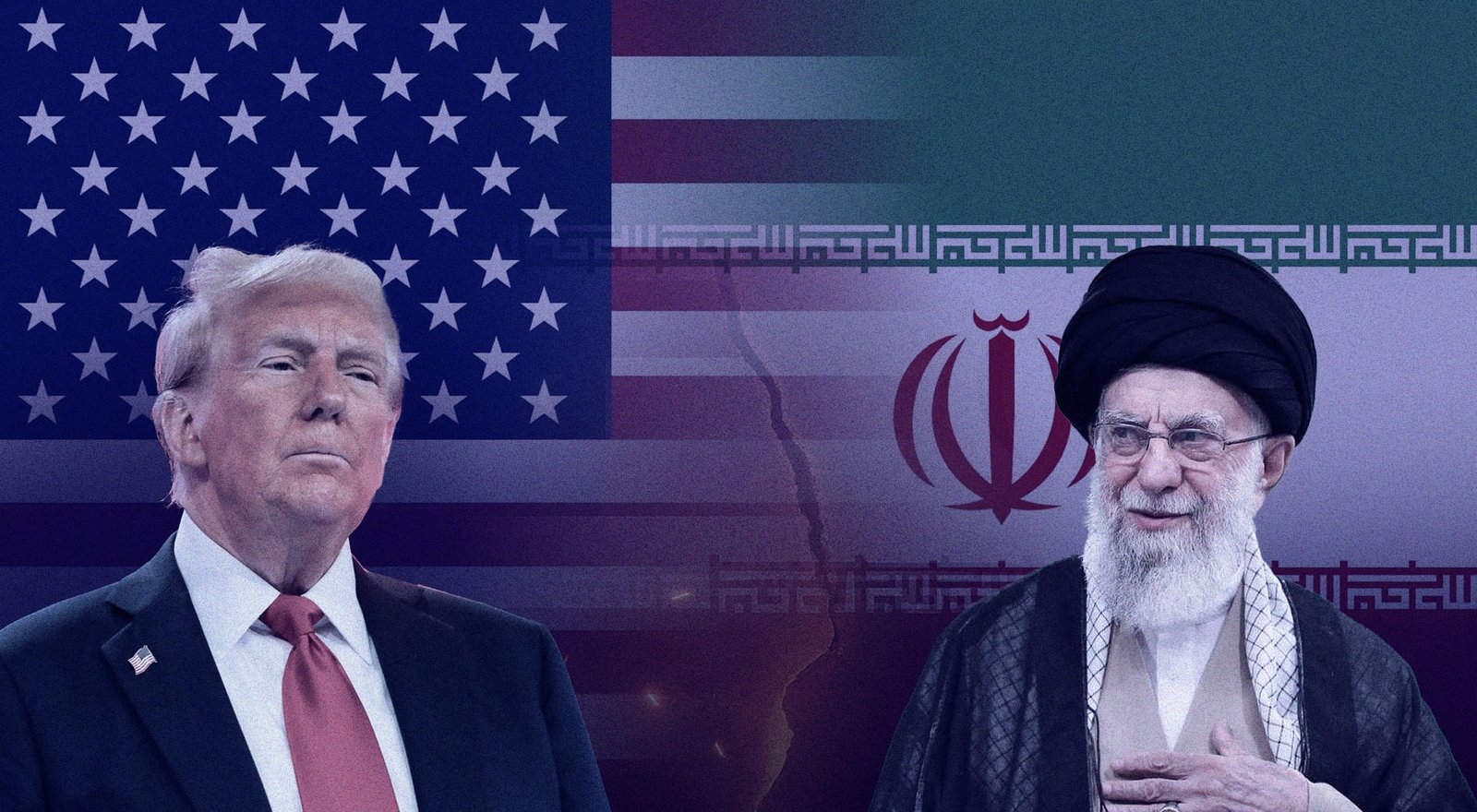
The highly anticipated diplomatic summit in Pakistan, intended to end the 42-day US-Israel-Iran war, has hit a severe roadblock. Despite Islamabad’s high-level security preparations, Iranian state media categorically denied on Friday that any delegation had traveled to Pakistan, citing ongoing Israeli strikes in Lebanon as a deal-breaker.
The Standoff: “Negotiations on Hold”
As of midday on April 10, 2026, the diplomatic mission in Islamabad remains in limbo due to conflicting signals from Tehran and Washington:
-
Tehran’s Refusal: State-run outlets Tasnim and Fars News report that Foreign Minister Abbas Araghchi and Parliament Speaker Mohammad Baqer Qalibaf remain in Tehran. A Tasnim source stated, “As long as the United States does not fulfill its commitment to the ceasefire in Lebanon… the negotiations are on hold.”
-
The Lebanon Sticking Point: Iran views continued Israeli aerial attacks on Hezbollah as a violation of the fragile two-week ceasefire. Conversely, Prime Minister Benjamin Netanyahu and President Donald Trump have maintained that the truce applies only to direct US-Iran hostilities, not to operations in Lebanon.
-
The Deleted Post: Confusion peaked when Iran’s ambassador to Pakistan, Reza Amir Moghadam, posted—and then quickly deleted—a message on X stating a 10-member delegation was arriving to discuss Iran’s “10-point peace proposal.“
US Delegation: Vance En Route?
While Iran signals a boycott, the United States appears to be moving forward with its diplomatic offensive:
-
Lead Negotiator: Vice President JD Vance is expected to lead the American team, supported by Steve Witkoff and Jared Kushner.
-
Timing: The White House has indicated the first round of in-person talks is scheduled for Saturday morning (April 11), though it remains unclear if Vance will meet with Iranian counterparts or merely Pakistani mediators.
Tensions Beyond the Table: The “Strait” Factor
Even as diplomats struggle to meet, the “double-sided ceasefire” is being tested by economic warfare in the Strait of Hormuz:
“There are reports that Iran is charging fees to tankers going through the Hormuz Strait—They better not be and, if they are, they better stop now!” — Donald Trump via Truth Social.
| Stakeholder | Current Stance |
| Iran | Demands a total regional ceasefire (including Lebanon) and sanctions relief. |
| USA | Demands the “Complete, Immediate, and Safe” reopening of the Strait of Hormuz without tolls. |
| Israel | Continues strikes in Lebanon; Netanyahu says, “The war hasn’t concluded.” |
| Pakistan | Acting as the primary mediator; has declared a “Red Zone” in Islamabad for the summit. |
What’s At Stake
If the talks fail to materialize this weekend, the two-week ceasefire—set to expire around April 21—could collapse prematurely. For the global economy, the stakes are massive: Japan has already begun releasing another 20 days of oil reserves to combat the supply shocks caused by the 42-day conflict.
The world now watches Islamabad to see if Vice President Vance will find an empty chair across the table tomorrow.
