

When a sector begins a multi-year secular rally, the natural instinct for most investors is to hunt for the single best stock—the “hero bet” that will capture the lion’s share of gains. In simple, linear industries, that strategy can work. But in a complex, rapidly evolving sector like energy, picking a single winner is a high-risk gamble.
Energy is not a single business; it is an interconnected ecosystem. Demand surges, geopolitical shocks, policy mandates, and technological breakthroughs do not impact every link in the supply chain at the same time or in the same way.
Instead of trying to predict precisely where the next spark will land, sophisticated investors increasingly favor an ecosystem approach—buying a balanced basket across the entire energy value chain to ride the broader macro wave.
1. Unpredictable Catalysts and Staggered Rallies
In the energy sector, catalysts rarely announce where they will strike first. A sudden spike in global crude oil prices might boost margins for upstream exploration firms, but it simultaneously squeezes downstream refiners and marketing companies. Conversely, a government push for renewable capacity expansion might benefit solar power developers initially, but the real long-term margin expansion often shifts to the equipment manufacturers supplying transformers, cables, and grid infrastructure.
By holding a basket across upstream, midstream, downstream, and ancillary capital goods, investors ensure they are positioned wherever capital flows next, rather than waiting for a single stock to catch a bid.
2. Mitigating Single-Stock Execution Risk
Even when the overall industry theme is rock-solid, individual companies face unique operational hurdles:
-
Capex Overruns & Delays: Large-scale energy projects—whether thermal plants, solar parks, or LNG terminals—are notoriously prone to execution delays.
-
Margin Squeezes: A power producer may secure long-term generation contracts, only to see its profitability eroded by sudden spikes in input fuel costs or equipment price inflation.
-
Regulatory Interventions: From windfall taxes on upstream producers to tariff caps on utility distributors, regulatory moves can abruptly alter a single stock’s earnings trajectory.
An ecosystem approach neutralizes company-specific execution risk. If one company suffers a temporary operational setback, the broader growth across other nodes in the value chain absorbs the shock.
3. The Ripple Effect Across the Value Chain
Growth in one segment of the energy ecosystem automatically creates structural demand in another. Consider the ongoing clean energy transition:
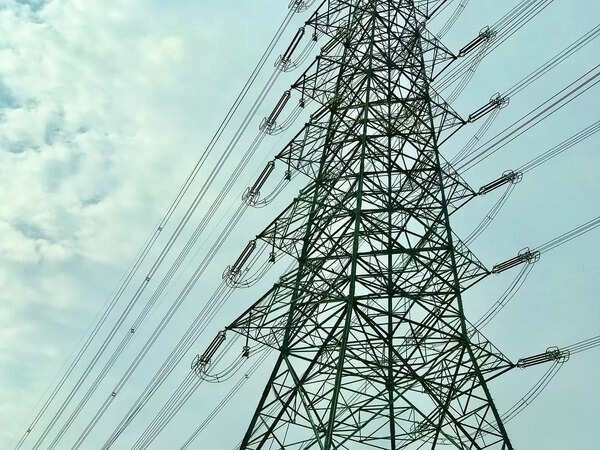
Adding gigawatts of solar and wind capacity to the grid is impossible without massive investments in transmission networks, smart metering, and heavy electrical equipment like transformers and switchgears. Owning the equipment makers and transmission players alongside power generators allows you to capture value at every stage of the expansion cycle.
Mapping the Energy Ecosystem
To build a well-rounded energy basket, investors should understand the primary nodes that make up the value chain:
| Segment | Primary Function | Key Earnings Drivers |
| Upstream | Crude oil, gas exploration & coal mining | Commodity spot prices, reserve replacement ratios, production volumes |
| Midstream & Logistics | Gas pipelines, LNG regasification terminals, storage | Transmission tariffs, throughput volumes, long-term take-or-pay contracts |
| Downstream & Utilities | Thermal, hydro, solar, wind generation & city gas distribution | Plant Load Factors (PLF), power purchase agreements (PPAs), urban gas adoption |
| Capital Goods & Infrastructure | Power cables, transformers, boilers, smart meters, EPC services | Order book execution, infrastructure capex cycles, industrial electrification |
Practical Takeaway for Investors
Trying to time which energy stock will outperform over a 12-month horizon requires predicting commodity movements, policy shifts, and corporate execution all at once.
An ecosystem strategy shifts the focus from stock picking to trend capturing. By allocating capital across a diversified basket of quality companies spanning exploration, utilities, equipment, and logistics, investors can participate in the structural growth of energy infrastructure while smoothing out portfolio volatility.
