

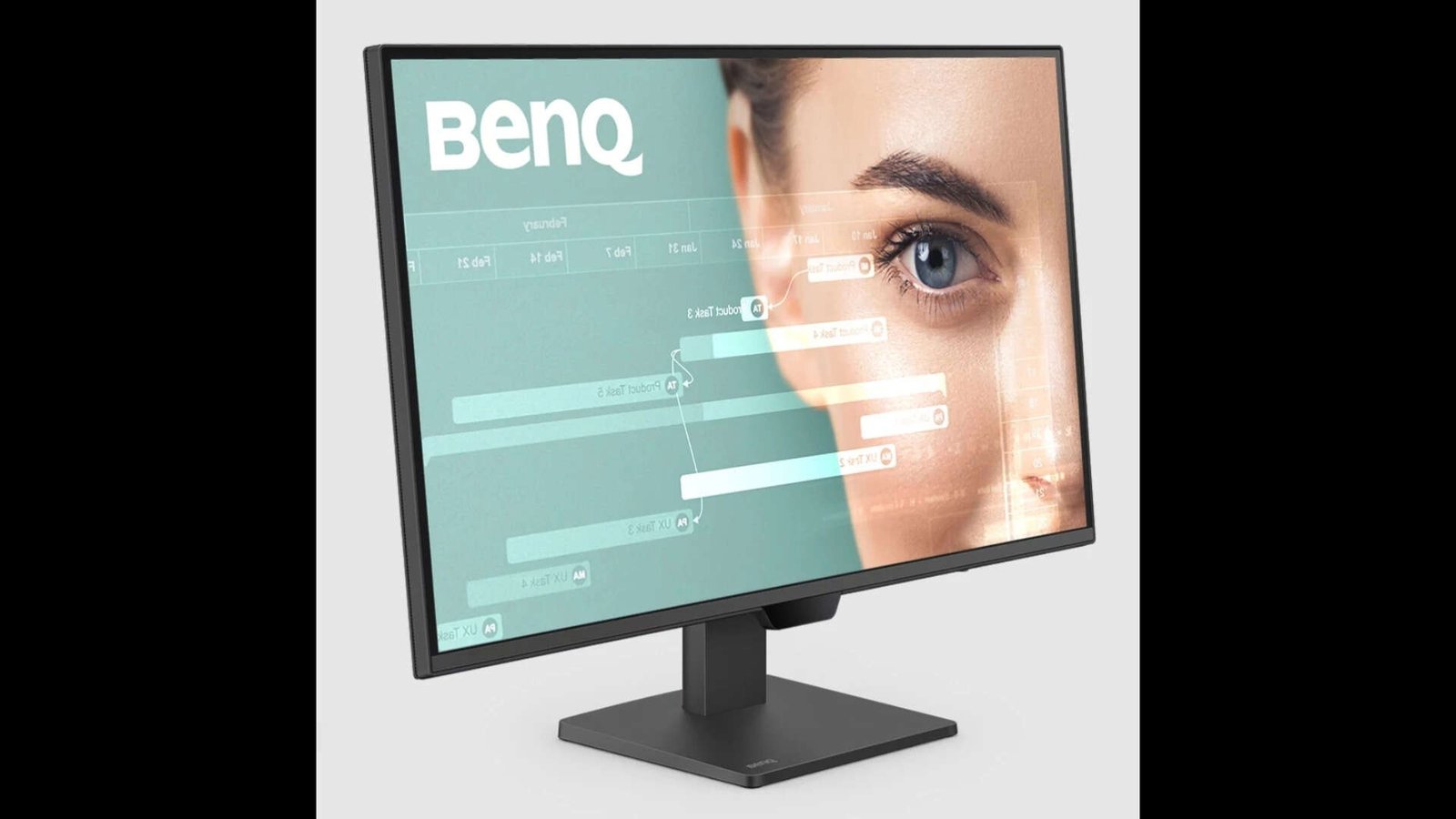
The way we work, learn, and collaborate is evolving at a breakneck pace. Professionals frequently transition from internal brainstorming sessions to external client presentations, yet the hardware supporting this dynamic workflow has largely lagged behind. While software platforms seamlessly bridge the gap, physical connectivity and security protocols in shifting office spaces remain a hassle.
To address these pain points, BenQ has officially launched two premium enterprise solutions in India: the InstaShow VS25 wireless conferencing system and the RP05 interactive display panel.
Redefining Corporate Collaboration
The newly launched devices target the friction points of modern hybrid meetings, where participants bring a diverse mix of devices, operating systems, and security clearance levels to a single room.
-
BenQ InstaShow VS25 (₹1.79 Lakhs): A seamless “plug-and-play” wireless conferencing system. Users can join a meeting simply by plugging a transmitter button into their laptops—completely bypassing the local wireless network, device-specific OS issues, or strict security protocols. It delivers 4K video at 60fps, features CVSS 4.0 certified encryption, and allows up to four presenters to split a single screen.
-
BenQ RP05 Interactive Display (Starting at ₹2 Lakhs): Available in 65-inch, 75-inch, and 86-inch variants, this smart screen runs Android 15 and is packed with 16GB of RAM, 256GB of storage, and an NPU delivering up to 10 TOPS for edge AI computing. It includes NFC support, a robust 2.1 channel speaker system (two 25W speakers and a 20W subwoofer), Google Play access, and health-focused features like an air-quality monitor and a built-in ionizer.
While designed to complement one another, businesses can purchase and integrate either device independently into their existing conference setups.
The Evolution of the Indian Consumer
Speaking on broader market dynamics, Rajeev Singh, Managing Director of BenQ India and South Asia, highlighted a structural shift in how Indian buyers approach electronics. Historically characterized as hyper-price-conscious, the Indian market is maturing rapidly.
“The market is value-centric or value-sensitive, and within that, there is a segment moving towards premium products,” Singh noted. “People are moving away from just buying something for show. They are looking to find real value for their investment.”
This shift from “cheap” to “value and premium” is encouraging global brands to introduce high-end, feature-rich tech to Indian consumers simultaneously with global rollouts.
Expanding the ‘Make in India’ Footprint
The manufacturing ecosystem in India is seeing aggressive support from both central and state governments through tailored duty structures, giving brands the necessary timeframe to cultivate local ancillary supply chains. However, Singh pointed out a critical bottleneck: the manufacturing talent gap. While India boasts world-class software and tech skills, it still lacks the specialized, skilled manpower required for large-scale hardware manufacturing.
Despite these ecosystem challenges, BenQ is aggressively expanding its local production footprint. Currently, one-third (approx. 33%) of BenQ’s revenue from its Indian portfolio is driven by “Make in India” initiatives. The company has set a firm roadmap to increase local manufacturing content to 50% over the next two to three years.
