

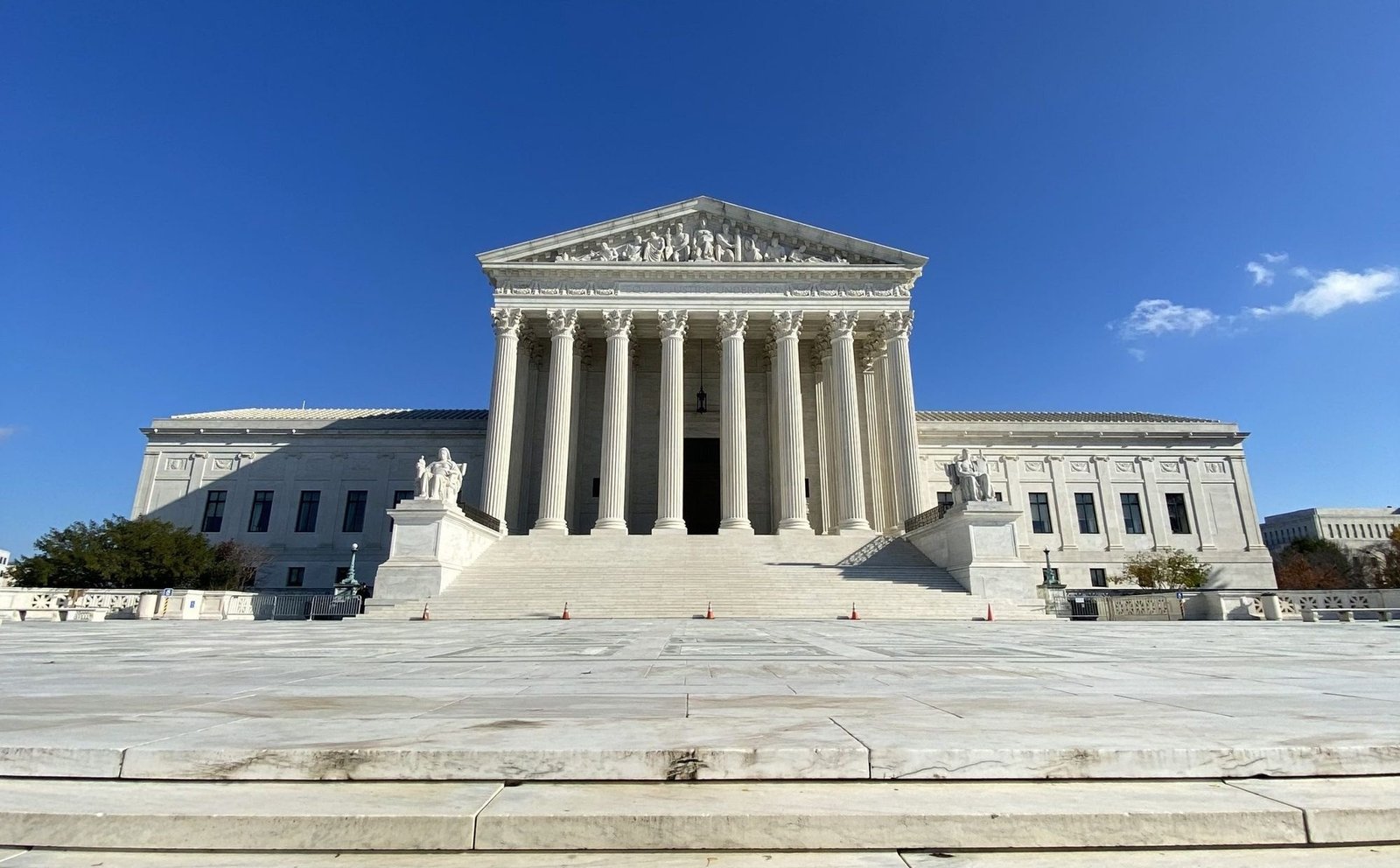
The relationship between Donald Trump and the U.S. Supreme Court is frequently viewed through a binary lens: supporters see a benchmark conservative body finally fulfilling constitutional promises, while critics view it as an apparatus designed to rubber-stamp an executive agenda.
However, the Reality of the High Court’s current landscape is far more transactional. While the 6-3 conservative majority has provided foundational legal victories for the administration, it has simultaneously asserted itself as a strict constitutional firewall against unilateral overreach.
The Dual Dynamics: Checking vs. Empowering
How the Court Empowers the Administration
-
Broad Executive Protection: In landmark decisions regarding accountability, the Court established robust legal guardrails by granting former presidents broad immunity for “official acts” performed during their tenure.
-
The Emergency Docket Buffer: The conservative majority has frequently utilized emergency orders to provisionally bless controversial administration policies. This allows fast-moving directives on immigration, federal spending reallocation, and executive branch restructuring to remain operational while navigating backlogged lower appellate loops.
-
Overturning Precedents: The Court has systematically systematically dismantled legacy legal frameworks, delivering generational wins to the conservative base by overturning the constitutional right to abortion and curtailing affirmative action in university admissions.
How the Court Checks the Administration
-
The Blanket Tariff Rebuke: The limits of the Court’s patience were highlighted when the Supreme Court struck down President Trump’s sweeping global tariffs. The administration had attempted to utilize emergency powers under Section 122 to levy broad international import penalties, but the Court ruled that the executive branch had fundamentally overstepped its statutory boundaries.
-
Rejection of Unilateral Appropriations: While the Court is friendly to executive restructuring, it has drawn hard lines where administration policies explicitly clash with Congress’s constitutional “power of the purse,” blocking blatantly unauthorized diversions of federal funds.
-
Institutional Autonomy: Justices appointed during Trump’s first term—Neil Gorsuch, Brett Kavanaugh, and Amy Coney Barrett—have repeatedly demonstrated that their judicial philosophies (rooted in originalism and textualism) do not always align with immediate political directives, occasionally handing major defeats to government lawyers on technical administrative cases.
The Blueprint of Executive Power in 2026
| Domain of Power | Empowered Actions (Blessed by SCOTUS) | Checked Actions (Struck Down / Blocked) |
| Executive Actions | Expansive immunity guidelines regarding core, official presidential duties. | Blatant overreach of emergency economic statutes (e.g., Unilateral Global Tariffs). |
| Policy Rollouts | Temporary implementation of hardline border and immigration rules via the shadow docket. | Direct diversion of state/federal funds that bypasses formal congressional appropriation. |
| Agency Control | Provisions allowing for the accelerated restructuring of independent civil federal agencies. | Overreaching interpretations of trade laws that explicitly infringe on legislative trade powers. |
Ultimately, the current term proves that the Supreme Court is neither a branch of the administration nor a perpetual adversary. It functions as a complex, independent arbiter—empowering the executive branch when it plays within broad structural guidelines, but dealing sudden, severe rebukes when the administration attempts to rewrite statutory law by decree.
You can explore the economic debates surrounding these legal standoffs further by watching this Analysis on the Trump Tariff Cases. This video details how the Court prepared to review the administration’s sweeping economic powers ahead of its eventual landmark rulings.
