

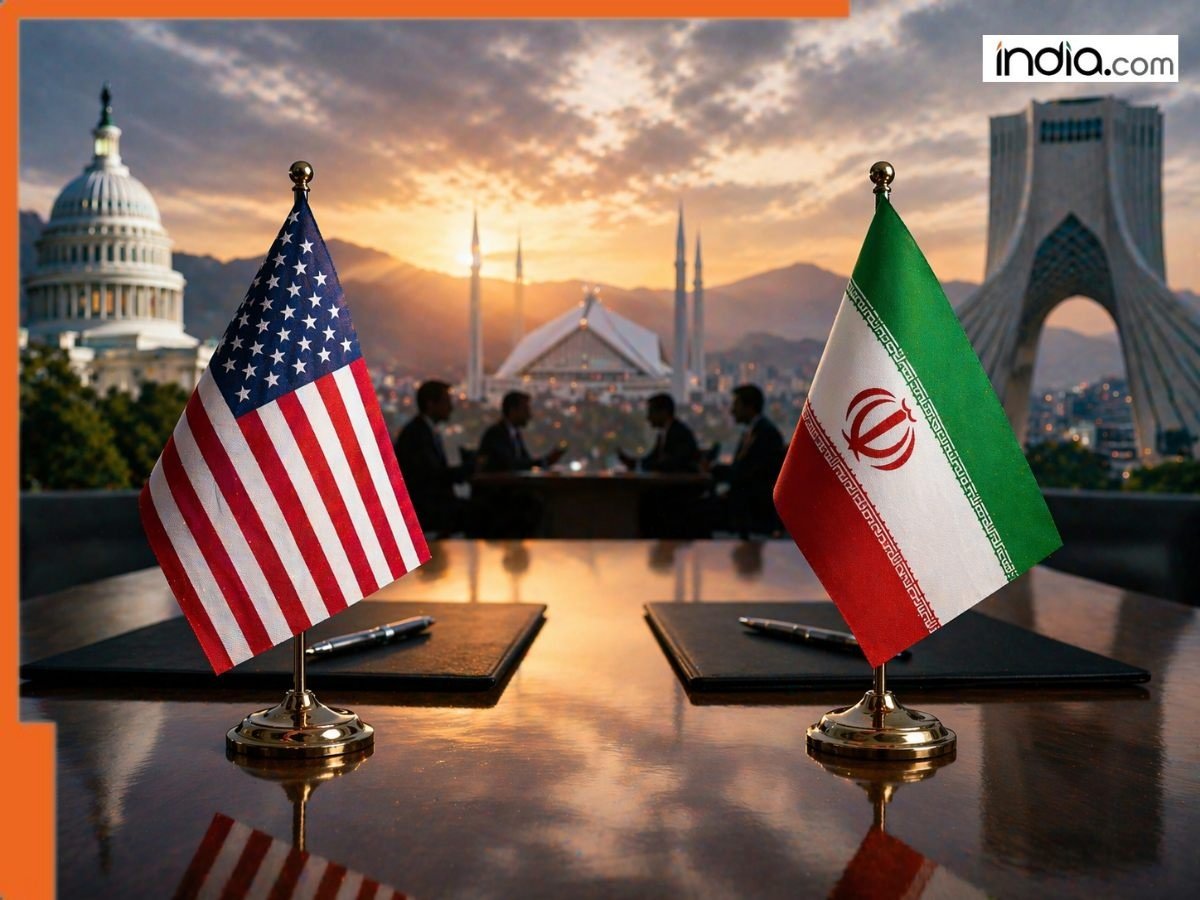
The United States and Iran are preparing to resume face-to-face negotiations in Pakistan this Saturday, marking a significant attempt to break the current diplomatic stalemate. This second round of discussions follows an initial meeting held on April 11–12 and comes amid heightened regional tensions.
Key Negotiators and Notable Absences
The White House has confirmed that the American delegation will be led by Steve Witkoff, Special Envoy to the Middle East, and Jared Kushner. Press Secretary Karoline Leavitt noted that the Iranian side initiated the request for this in-person meeting following a public call for dialogue from President Donald Trump.
While the primary aides are traveling to Islamabad to report back to the President, two high-profile figures from the previous round will be absent:
-
JD Vance: The US Vice President will remain on standby rather than attending in person.
-
Mohammad Bagher Ghalibaf: The former leader of the Iranian negotiating team will not be participating in this session.
Strategic Context and Regional Diplomacy
The talks coincide with a broader diplomatic push by Tehran. Iranian Foreign Minister Abbas Araghchi recently announced a “timely tour” including stops in Pakistan, Oman, and Russia. Araghchi emphasized that coordinating with regional neighbors remains a top priority for Iran.
The Core Conflict: The Strait of Hormuz
Despite the resumption of talks, the fundamental disagreements between the two nations remains focused on maritime security and nuclear ambitions:
| Country | Primary Demand |
| United States | Verifiable assurances that Iran will terminate its nuclear program and end its blockade of the Strait of Hormuz. |
| Iran | Immediate lifting of the US-led blockade in the Strait of Hormuz before any formal agreements are reached. |
The US Stance
US Secretary of Defense Pete Hegseth reiterated President Trump’s “no-rush” approach during a Friday briefing at the Pentagon. Hegseth stated that while the US is not “anxious for a deal,” the opportunity remains for Iran to secure what he described as a “wise deal” should they meet the administration’s requirements.
The United States and Iran are preparing to resume face-to-face negotiations in Pakistan this Saturday, marking a significant attempt to break the current diplomatic stalemate. This second round of discussions follows an initial meeting held on April 11–12 and comes amid heightened regional tensions.
Key Negotiators and Notable Absences
The White House has confirmed that the American delegation will be led by Steve Witkoff, Special Envoy to the Middle East, and Jared Kushner. Press Secretary Karoline Leavitt noted that the Iranian side initiated the request for this in-person meeting following a public call for dialogue from President Donald Trump.
While the primary aides are traveling to Islamabad to report back to the President, two high-profile figures from the previous round will be absent:
-
JD Vance: The US Vice President will remain on standby rather than attending in person.
-
Mohammad Bagher Ghalibaf: The former leader of the Iranian negotiating team will not be participating in this session.
Strategic Context and Regional Diplomacy
The talks coincide with a broader diplomatic push by Tehran. Iranian Foreign Minister Abbas Araghchi recently announced a “timely tour” including stops in Pakistan, Oman, and Russia. Araghchi emphasized that coordinating with regional neighbors remains a top priority for Iran.
The Core Conflict: The Strait of Hormuz
Despite the resumption of talks, the fundamental disagreements between the two nations remains focused on maritime security and nuclear ambitions:
| Country | Primary Demand |
| United States | Verifiable assurances that Iran will terminate its nuclear program and end its blockade of the Strait of Hormuz. |
| Iran | Immediate lifting of the US-led blockade in the Strait of Hormuz before any formal agreements are reached. |
The US Stance
US Secretary of Defense Pete Hegseth reiterated President Trump’s “no-rush” approach during a Friday briefing at the Pentagon. Hegseth stated that while the US is not “anxious for a deal,” the opportunity remains for Iran to secure what he described as a “wise deal” should they meet the administration’s requirements.
