

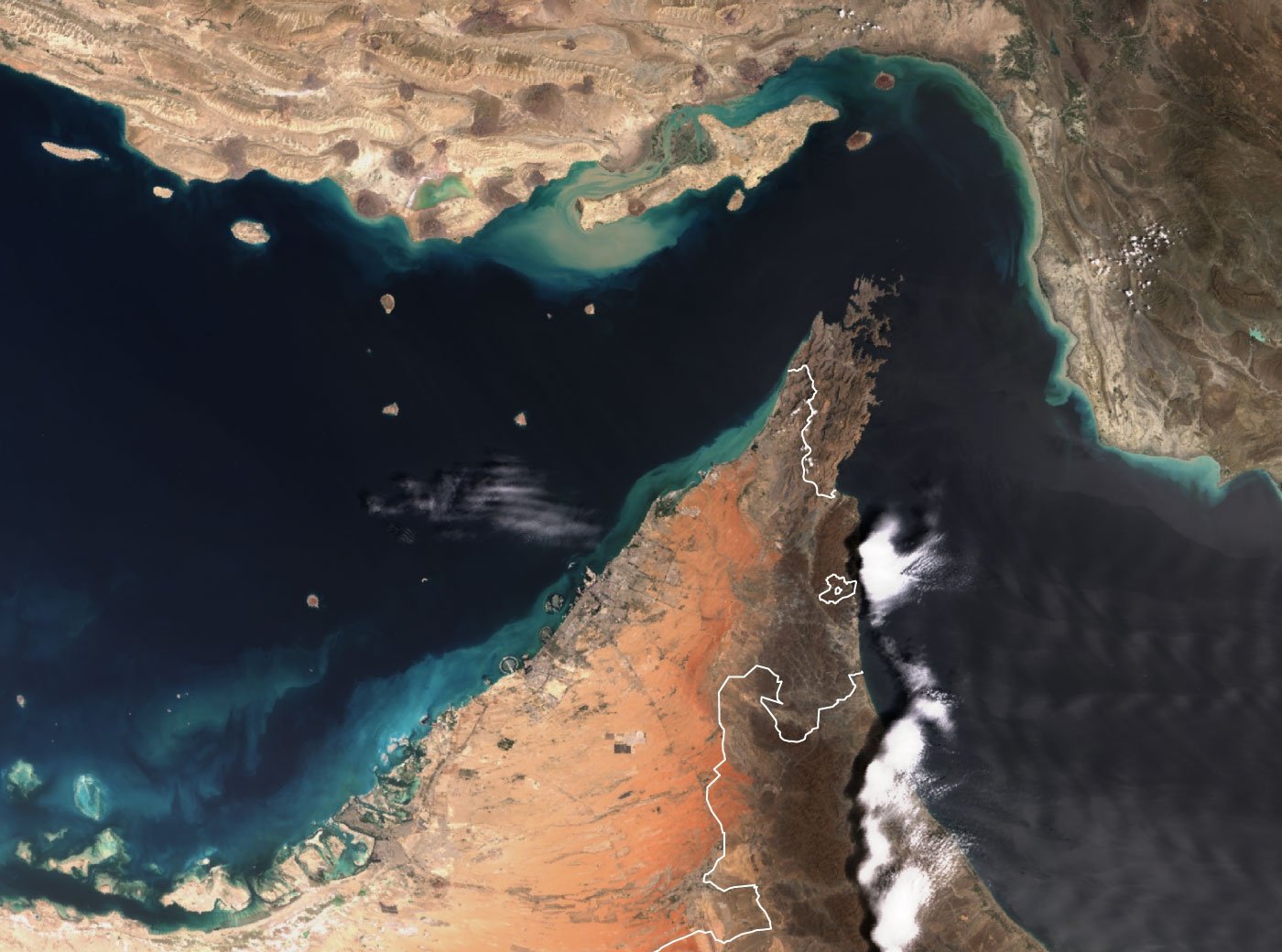
The U.S. Navy has successfully intercepted an Iranian-flagged cargo ship attempting to bypass the ongoing naval blockade, marking the 10th vessel turned back since enforcement began earlier this week. The confrontation comes as the maritime “tug-of-war” in West Asia reaches a critical fever pitch.
The Interception: USS Spruance vs. the Blockade-Runner
According to CENTCOM, the guided-missile destroyer USS Spruance (DDG 111) intercepted the vessel on Wednesday after it attempted a “stealth” transit along the Iranian coastline.
-
The Route: The ship departed from the major Iranian port of Bandar Abbas, moved through the Strait, and hugged the coast in an attempt to evade U.S. radar and patrol patterns.
-
The Outcome: The USS Spruance successfully challenged and redirected the vessel. As of Thursday morning, the ship is reportedly heading back toward Iranian waters.
-
The Scorecard: U.S. officials confirmed that no ships have successfully broken the blockade since its inception, with 10 total turn-backs recorded.
Tehran Warns of “Dangerous Consequences”
The maritime standoff has triggered a sharp diplomatic response from Tehran. Iranian Foreign Minister Seyyed Abbas Araghchi held a high-stakes phone call with Chinese Foreign Minister Wang Yi on Wednesday to brief Beijing on the “provocative” U.S. presence.
“The American actions in the Persian Gulf and the Strait of Hormuz will lead to a more complicated and dangerous situation in the region.” — Official Statement from the Iranian Foreign Ministry.
Key Geopolitical Developments:
-
China’s Role: Iran is actively seeking diplomatic backing from Beijing, citing the blockade as a threat to regional stability and global energy transit.
-
The Pakistan Bonus: Despite the naval friction, back-channel reports suggest that the U.S. and Iran are simultaneously preparing for a potential exit from the war as fatigue and economic costs mount. High-level talks are “very likely” to be hosted in Pakistan in the coming weeks.
Regional Context: The Fatigue Factor
The blockade is part of a broader U.S. strategy to pressure the Islamic Revolutionary Guard Corps (IRGC) following months of kinetic conflict. However, both Washington and Tehran are facing internal pressure:
-
Economic Strain: The cost of the blockade and the disruption of oil routes have hit global markets, leading to “fuel price fury” in Europe.
-
Strategic Stalemate: With neither side achieving a decisive military victory, the focus is shifting toward a negotiated ceasefire, even as naval skirmishes continue at the mouth of the Gulf.
The USS Spruance remains on high alert in the Strait, as more Iranian vessels are expected to test the limits of the U.S. naval perimeter in the next 48 hours.
