

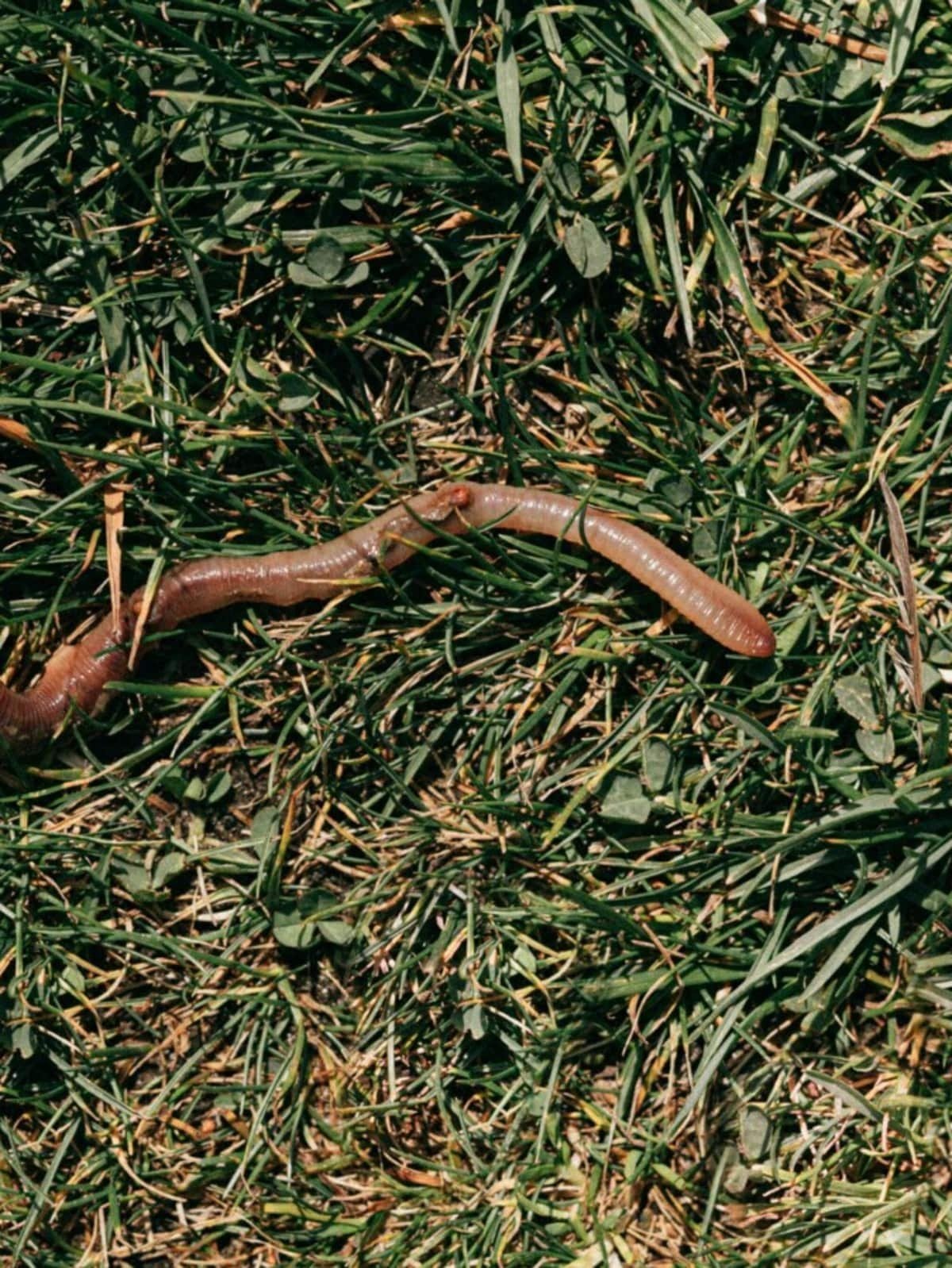
A 58-year-old woman in Greece recently survived a medical ordeal that doctors described as “biologically implausible.” After working near a field of grazing sheep, the woman began sneezing out one-inch-long worms, leading to the discovery of a rare parasitic infestation inside her sinuses.
Timeline of the Infection
-
September: While working outdoors, the woman was swarmed by flies. She initially dismissed the incident.
-
Late September: She began suffering from persistent sinus pain and a severe cough that lasted several weeks.
-
October 15: The situation escalated when she sneezed out a live worm, prompting her to seek emergency medical care.
The Surgical Discovery
An ENT specialist performed a detailed surgical procedure to clear her sinuses. The findings were startling:
-
Total Count: Surgeons removed 10 larvae and one pupa (the stage between larva and adult).
-
Species Identified: Tests confirmed the parasites were Oestrus ovis, commonly known as the sheep bot fly.
Why This Case Is “Biologically Implausible”
Typically, sheep bot fly larvae cannot survive in the human body. They usually die, dry out, or calcify because the human sinus environment is too hostile. However, two factors made this case unique:
-
Septum Deviation: The woman had a severe bend in the bone dividing her nasal passages. Doctors believe this created a “protected pocket” that shielded the larvae from the body’s natural defenses.
-
Advanced Development: This is one of the few recorded instances where the larvae didn’t just survive but actually progressed to the pupation stage inside a human host.
The Outcome
Following the surgery and a course of nasal decongestants, the woman has made a full recovery. Interestingly, none of her colleagues working in the same field reported any symptoms, suggesting that her specific nasal anatomy was the primary reason the parasites were able to take hold.
Medical Note: While terrifying, such infestations (known as myiasis) remain extremely rare in humans. Doctors suggest that individuals with nasal abnormalities or weakened immunity should take extra precautions when working closely with livestock.
After working near a field of grazing sheep, the woman began sneezing out one-inch-long worms, leading to the discovery of a rare parasitic infestation inside her sinuses.
Timeline of the Infection
-
September: While working outdoors, the woman was swarmed by flies. She initially dismissed the incident.
-
Late September: She began suffering from persistent sinus pain and a severe cough that lasted several weeks.
-
October 15: The situation escalated when she sneezed out a live worm, prompting her to seek emergency medical care.
The Surgical Discovery
An ENT specialist performed a detailed surgical procedure to clear her sinuses. The findings were startling:
-
Total Count: Surgeons removed 10 larvae and one pupa (the stage between larva and adult).
-
Species Identified: Tests confirmed the parasites were Oestrus ovis, commonly known as the sheep bot fly.
Why This Case Is “Biologically Implausible”
Typically, sheep bot fly larvae cannot survive in the human body. They usually die, dry out, or calcify because the human sinus environment is too hostile. However, two factors made this case unique:
-
Septum Deviation: The woman had a severe bend in the bone dividing her nasal passages. Doctors believe this created a “protected pocket” that shielded the larvae from the body’s natural defenses.
-
Advanced Development: This is one of the few recorded instances where the larvae didn’t just survive but actually progressed to the pupation stage inside a human host.
The Outcome
Following the surgery and a course of nasal decongestants, the woman has made a full recovery. Interestingly, none of her colleagues working in the same field reported any symptoms, suggesting that her specific nasal anatomy was the primary reason the parasites were able to take hold.
Medical Note: While terrifying, such infestations (known as myiasis) remain extremely rare in humans. Doctors suggest that individuals with nasal abnormalities or weakened immunity should take extra precautions when working closely with livestock.
