

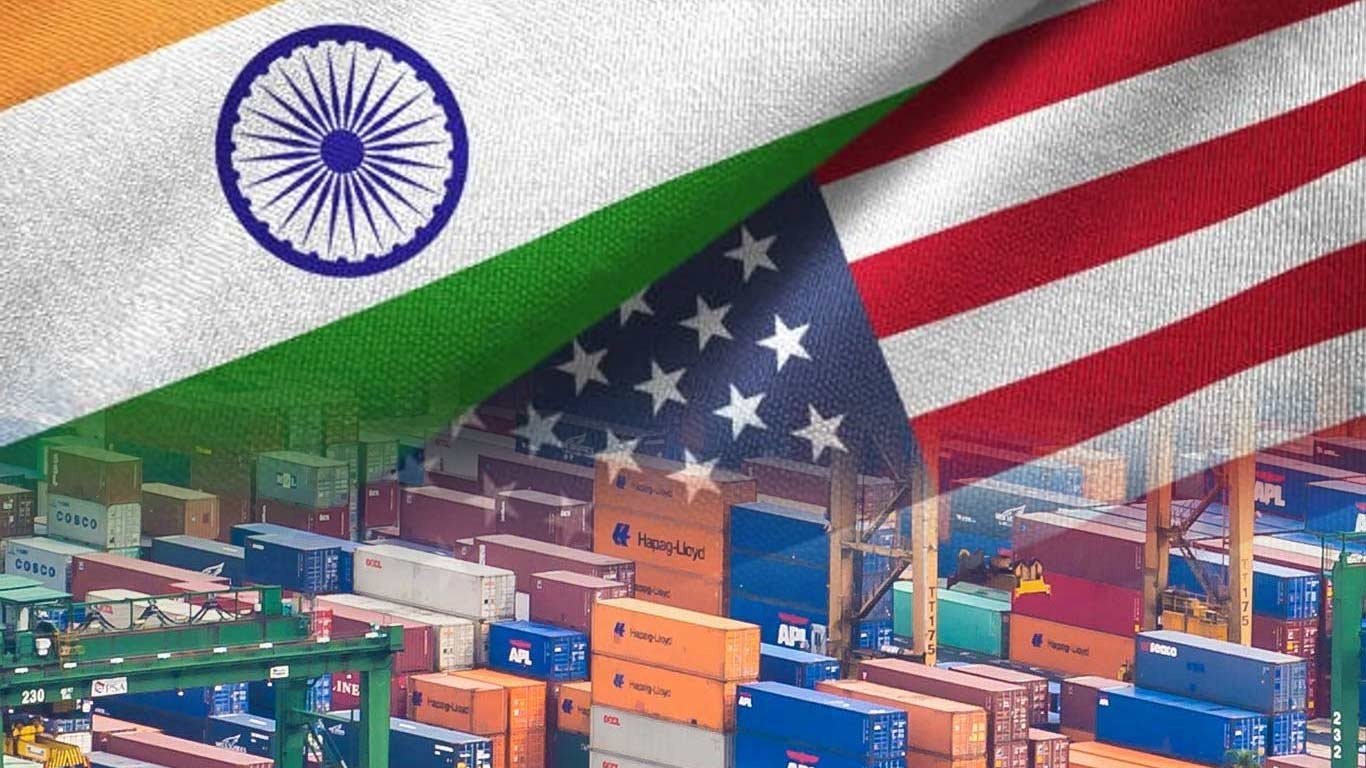
An Indian delegation is set to arrive in Washington D.C. later this month to formalize a monumental trade agreement between the world’s two largest democracies. The announcement came via U.S. Ambassador to India Sergio Gor, who confirmed the visit following “highly productive” discussions with Trade Representative Jamieson Greer regarding President Donald Trump’s trade agenda for South and Central Asia.
While the deal marks a significant shift in bilateral relations, Finance Minister Nirmala Sitharaman will reportedly skip the trip to remain in New Delhi. Her absence is due to critical parliamentary sessions focused on fast-tracking the implementation of the 33% reservation for women in the Lok Sabha and state assemblies.
Core Components of the Trade Agreement
Initially announced on February 2, 2026, the deal—described by both President Trump and Prime Minister Modi as “historic”—centers on drastic tariff reductions and massive investment commitments.
-
Tariff Reductions: A major win for Indian exports, the deal slashes U.S. tariffs on Indian goods from 50% down to 18%.
-
Indian Investment: India has committed to a $500 billion purchase of American goods over the next five years. This includes:
-
Energy products and coal.
-
Aircraft and aerospace components.
-
Metals and advanced technology products.
-
-
Energy Geopolitics: Per the White House fact sheet, a cornerstone of the agreement involves India tapering off its reliance on Russian oil. However, amid the escalating conflict with Iran, the U.S. has granted India “allowances” to purchase specific Russian oil barrels, provided the transactions yield no financial gain for Moscow.
Political Context and Challenges
Despite the economic scale of the deal, it has not been without domestic friction. Opposition parties in India have voiced concerns over the terms, even as the government emphasizes the long-term strategic benefits of aligning closer with U.S. markets.
The upcoming visit to Washington is expected to “ink” the final protocols, solidifying a partnership that seeks to reshape the economic landscape of South Asia and secure American energy and tech interests in the region.
