

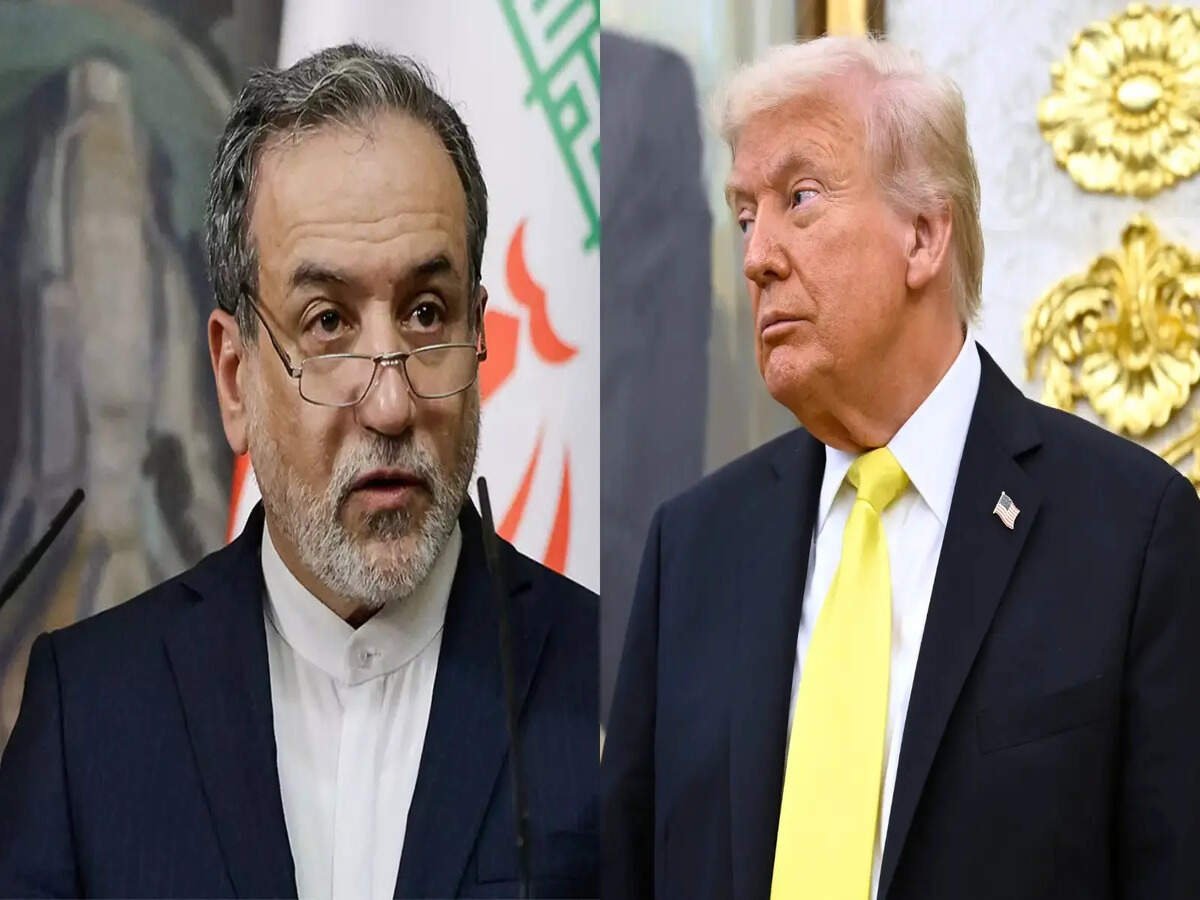
The high-stakes gamble to pause the war in the Middle East is on the verge of collapse. While the Trump administration and Tehran’s new leadership under Mojtaba Khamenei have both claimed “victory,” a massive escalation of Israeli strikes in Lebanon has reignited the blockade of the Strait of Hormuz and cast a shadow over the upcoming April 11 talks in Islamabad.
The Lebanon Crisis: 10 Minutes of Devastation
On Wednesday afternoon, the Israeli military executed its largest coordinated aerial assault of the war.
-
The Strikes: Over 100 command centers and military sites were hit across Beirut, the Bekaa Valley, and southern Lebanon—all within a 10-minute window.
-
Casualties: Lebanon’s civil defense reports 254 killed and over 1,100 wounded. In Beirut alone, 91 people lost their lives in residential areas.
-
The Litani Cutoff: Israel destroyed the final bridge over the Litani River, effectively “disconnecting” southern Lebanon from the rest of the country.
-
Buffer Zone: Israeli officials stated the intent is to occupy the south as a permanent “buffer zone,” leaving thousands of civilians without food, medicine, or power.
One Deal, Three Interpretations
The ceasefire’s survival is threatened by a fundamental disagreement over its geography.
| Party | Stance on Lebanon | Interpretation of the Truce |
| United States | Excluded | Trump and VP JD Vance call it a “separate skirmish” with Hezbollah; focus is on Iran and US safety. |
| Israel | Excluded | PM Netanyahu supports the US-Iran pause but insists on a “capital V victory” against Hezbollah infrastructure. |
| Iran | Included | Foreign Minister Araghchi insists Lebanon was part of the deal; views the strikes as a breach of US commitments. |
| Pakistan | Included | Mediators stated the agreement applied “everywhere, including Lebanon.” |
Economic Brinkmanship: The Hormuz Toll
In response to the Lebanon strikes, Iran has re-closed the Strait of Hormuz, introducing a new “toll” system that has global energy markets in a panic.
-
The Toll: Iran is reportedly demanding up to $1 per barrel for outbound oil passing through the strait. For a supertanker carrying 3 million barrels, this amounts to a $3 million passage fee.
-
White House Reaction: Press Secretary Karoline Leavitt called the closure and the tolls “completely unacceptable,” reiterating Trump’s demand for the waterway to be reopened “immediately and safely.”
A “Fragile” Path to Islamabad
As JD Vance prepares to head to Pakistan, internal Iranian politics are complicating the roadmap. Iranian Parliament Speaker Mohammad Bagher Ghalibaf has already labeled the planned talks “unreasonable,” citing three major violations:
-
Continued Israeli strikes on Hezbollah.
-
An alleged drone incursion into Iranian airspace post-ceasefire.
-
The US refusal to acknowledge any Iranian nuclear enrichment capabilities.
“The ball is in the U.S. court, and the world is watching whether it will act on its commitments.”
— Abbas Araghchi, Iranian Foreign Minister
While US Defense Secretary Pete Hegseth maintains that Iran no longer poses a “significant threat,” the reality on the ground—a blocked strait and a devastated Lebanon—suggests that the war may be resuming before the “pause” has even truly begun.
