

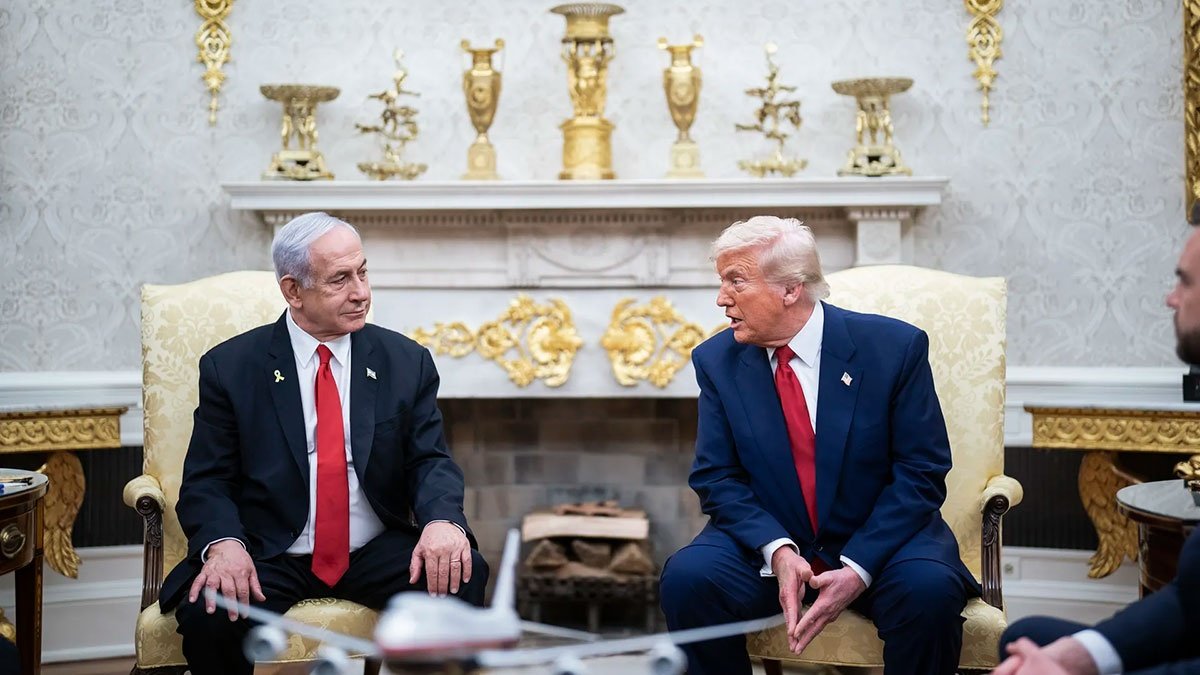
The geopolitical landscape of April 2026 has been defined by a startling pivot in Middle Eastern diplomacy. While Israeli Prime Minister Benjamin Netanyahu viewed the return of Donald Trump as a “once-in-a-lifetime opportunity” to permanently dismantle the Iranian regime, the sudden announcement of the Islamabad Accord has left Israel essentially standing on the sidelines of its own conflict.
The following breakdown explores how Netanyahu went from being the architect of the anti-Iran coalition to a frustrated spectator of the new two-week ceasefire.
1. The Strategic Disconnect
Netanyahu’s strategy relied on a “maximum pressure” campaign that escalated from the assassination of Ayatollah Ali Khamenei on February 28, 2026, to massive aerial bombardments. However, the US and Israel appear to have reached different conclusions:
-
Israel’s Goal: Total regime collapse and the eradication of Iran’s nuclear and missile capabilities.
-
Trump’s Pivot: Fearing a “forever war” and a global energy collapse following the closure of the Strait of Hormuz, Trump opted for an off-ramp mediated by Pakistan rather than a final military push.
2. The “Loneliest Day”: Why Israel is Out in the Cold
The ceasefire deal was negotiated almost entirely via backchannels involving US Vice President JD Vance, Iranian Foreign Minister Abbas Araghchi, and Pakistan’s Field Marshal Asim Munir
3. Domestic Fallout: The “Political Disaster”
In Jerusalem, the reaction has been one of betrayal. While the Prime Minister’s Office issued a formal statement in English “supporting” Trump’s decision, the internal Israeli sentiment is far more critical:
-
Opposition Backlash: Leader Yair Lapid termed the deal a “political disaster,” arguing that Netanyahu failed to secure a seat at the table.
-
Coalition Friction: Far-right members of Netanyahu’s own government have mocked the deal, with some comparing the sudden halt to a loss of nerve by Washington.
-
4. The New Regional Reality
The ceasefire elevates Iran’s geopolitical standing. Despite the loss of Khamenei and 40 days of intense bombing, the regime has survived and now has a formal channel of negotiation with Washington.
The Netanyahu Dilemma: For years, Netanyahu argued that only a credible military threat could stop Iran. Now that the threat was exercised and then abruptly paused by his primary ally, Israel faces a “New Middle East” where Iran’s influence over the Strait of Hormuz and its regional proxies is being codified into a diplomatic agreement—one where Israel has no vote.
As the “Islamabad Talks” begin on April 10, 2026, the question remains: Can Netanyahu afford to remain a bystander, or will Israel take unilateral action to prevent what it perceives as a catastrophic diplomatic surrender?
