

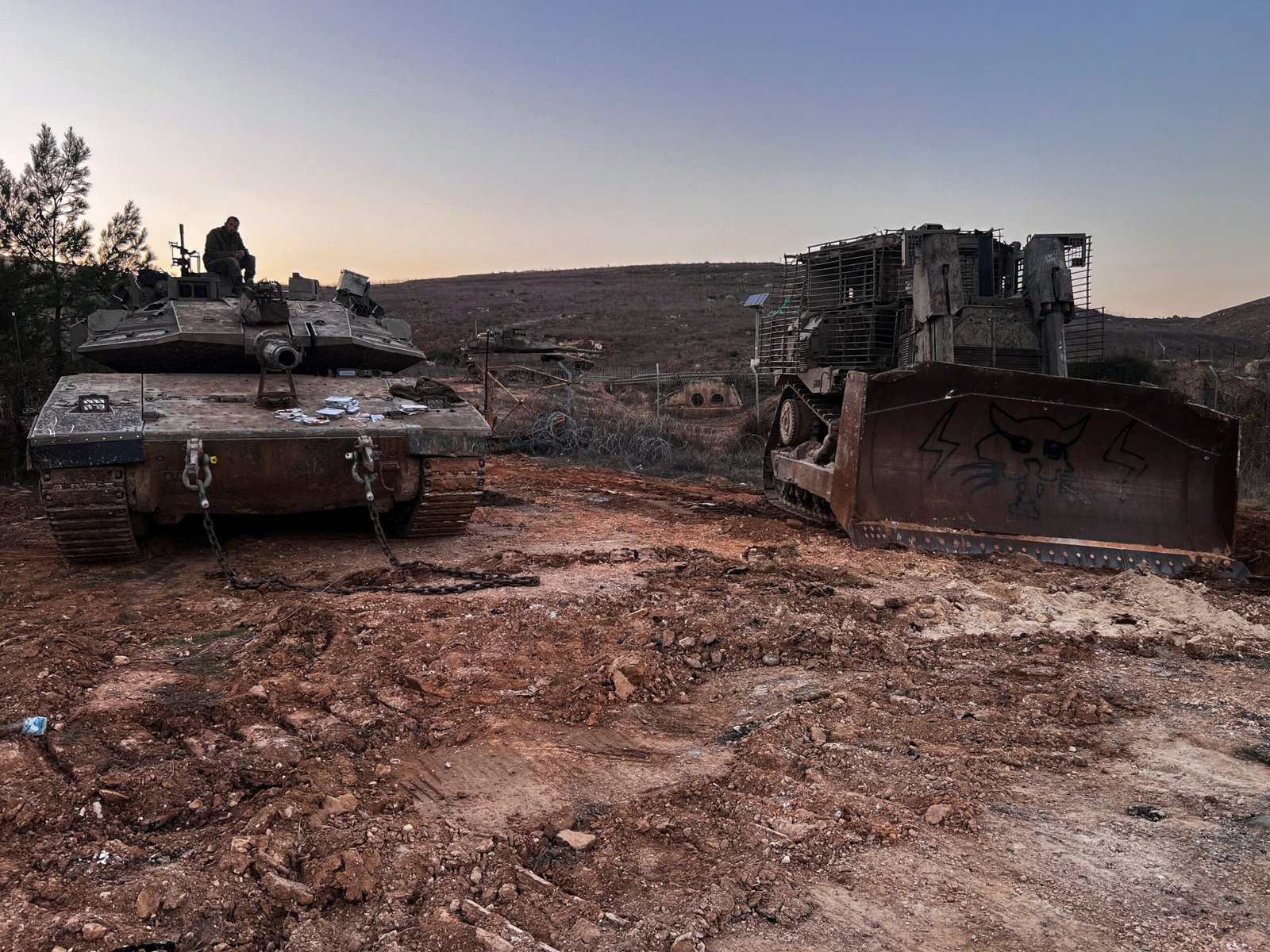
March 31, 2026 — What began as a localized strike has spiraled into a month-long regional conflagration. As of today, the conflict triggered by US-Israeli strikes on Iran on February 28 shows no signs of abating, despite a series of ultimatums from US President Donald Trump. With the death toll climbing and global markets in a tailspin, the war is now threatening to shut down a second vital maritime artery.
A Month of Escalation
The conflict has fundamentally reshaped the geopolitical landscape of the Gulf in just 31 days. Following the initial February 28 strikes, which claimed the lives of several top Iranian officials including Supreme Leader Ayatollah Ali Khamenei, Iran’s retaliatory drone and missile salvos have crippled regional stability.
-
Casualties: Reports indicate over 1,900 killed in Iran and 1,200 in Lebanon. Israel has reported 19 deaths, while dozens more have been killed across the West Bank and various Gulf states.
-
Displacement: Over 1 million people have been displaced in Lebanon alone.
-
Urban Impact: Even “insulated” hubs like Dubai and Abu Dhabi have been forced to intercept projectiles, shaking investor confidence in the UAE’s previously booming property markets.
The Chokehold on Global Energy
The Strait of Hormuz, a transit point for 20% of the world’s oil and gas, remains virtually closed due to Iranian naval activity and missile threats.
Key Incident: On March 4, a US submarine sank the Iranian frigate IRIS Dena off the coast of Sri Lanka, resulting in 80 deaths and marking a significant expansion of the maritime theater.
While Hormuz remains the primary flashpoint, a new threat has emerged: The Bab al-Mandab Strait. With the Yemeni Houthis officially entering the war this past Saturday, there are mounting fears that Red Sea shipping lanes—and by extension, the Suez Canal—could be the next to face a total blockade.
Diplomatic Deadlock & Trump’s Ultimatums
President Trump has issued two separate deadlines for Iran to cease hostilities and reopen the waterways. However, Tehran has met these demands with open derision.
-
The “Negotiation” Mystery: Trump claims to be making “great progress” in talks with Iranian Parliamentary Speaker Mohammad Bagher Qalibaf.
-
The Iranian Response: Lt. Col. Ebrahim Zolfaghari mocked the US President in a video message, asking if Trump was “negotiating with himself,” as Iranian leadership continues to deny any official back-channel talks.
-
The Pakistan Factor: While Pakistan recently hosted regional powers (Saudi Arabia, Turkey, Egypt) to mediate, Iran boycotted the session, labeling the talks a “cover-up” for US troop deployments.
The “Obliteration” Threat
The stakes are set to rise on April 6, the expiration date of Trump’s latest 10-day extension. The US President has threatened to broaden the offensive to include the “complete obliteration” of:
-
Iranian power plants and oil wells.
-
Kharg Island: Iran’s primary oil export hub (which Trump has hinted at seizing).
-
Desalination plants.
With 2,500 Marines already in the region and another 1,000 paratroopers en route, the Gulf remains on a knife-edge. As the war enters its second month, the “safe harbor” reputation of the glittering Gulf cities has vanished, replaced by the dark shadow of a potential global energy collapse.
