

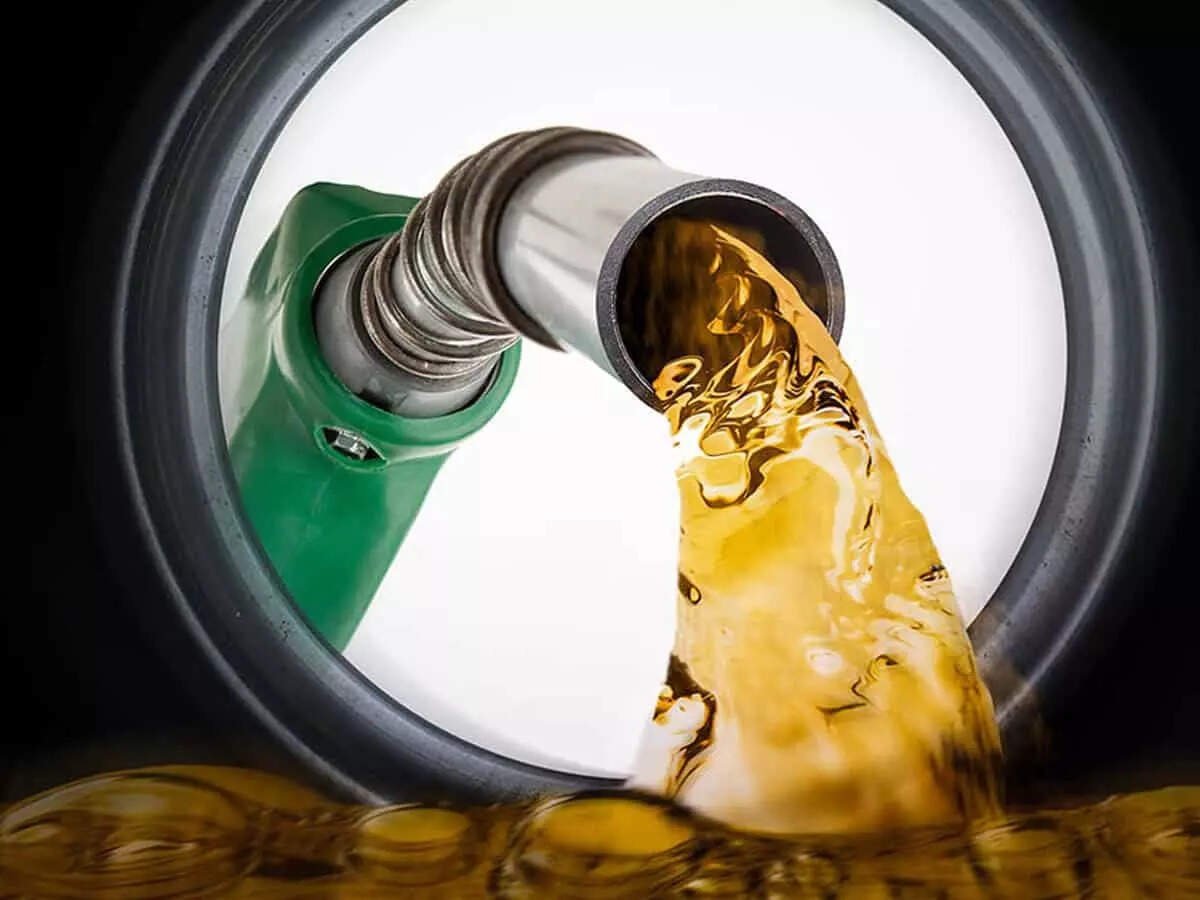
In a bold move to counter the economic shockwaves of the US-Israel-Iran conflict, the Indian government announced on Friday a massive cut in excise duties for petrol and diesel. Central taxes have been reduced by Rs 10 per litre for both fuels, bringing the duty down to Rs 3 per litre for petrol and effectively zero for diesel.
Despite this intervention, experts warn that relief at the pump may remain elusive for the average citizen.
The Gap Between Tax Cuts and Pump Prices
While a tax reduction usually signals lower prices, industry insiders suggest that Oil Marketing Companies (OMCs) are likely to absorb the cut rather than passing it on to consumers. The reasons are rooted in a volatile global market:
-
Massive Under-recoveries: Due to the surge in Brent crude—which has blown past the US$100 per barrel mark—OMCs are reportedly losing roughly Rs 48.8 per litre on current sales.
-
Market Pressure: Private retailers are already feeling the squeeze; Nayara Energy recently hiked its prices by over Rs 5 for petrol and Rs 3 for diesel to keep up with rising costs.
-
Supply Chain Disruptions: The conflict has led to a blockade of the Strait of Hormuz, a critical maritime artery through which nearly 25% of global seaborne oil and 50% of India’s crude imports flow.
India’s Energy Security Outlook
Despite the maritime chokehold, the government has moved to reassure the public against “misinformation campaigns” regarding fuel shortages. To maintain stability, India is leaning on its strategic backups and diversified sourcing:
Government Countermeasures
To prevent a domestic energy crisis, the Ministry of Petroleum has fast-tracked new contracts to diversify import sources away from the immediate conflict zone. Additionally, the government has ordered a 25% increase in domestic LPG production to support the 33 crore households relying on cooking gas.
While the excise cut provides a fiscal cushion for struggling oil companies, the actual price at the fuel station will continue to be dictated by the duration of the conflict and the stability of global crude prices.
