

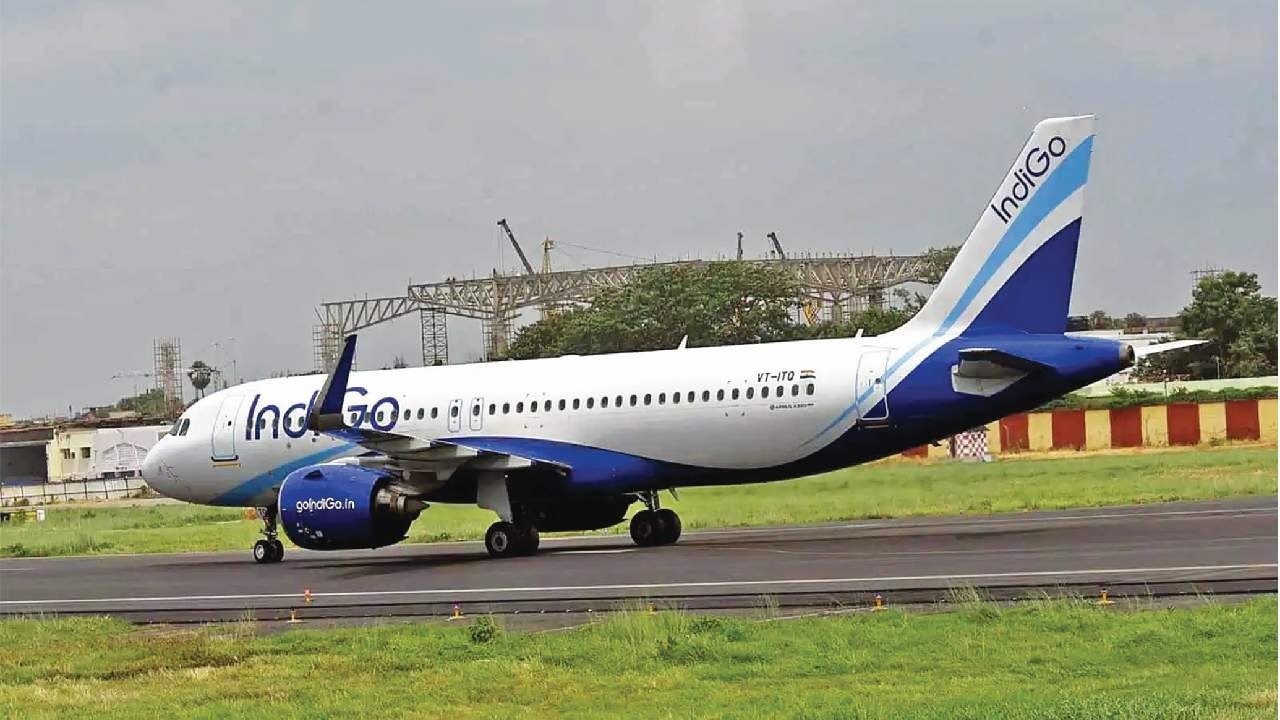
NEW DELHI — IndiGo, India’s leading carrier with over 60% market share, has issued a stark warning regarding a potential slump in travel demand this summer. The airline cites a “material escalation” in operating costs triggered by the ongoing conflict involving Iran, which has sent crude oil prices soaring and forced expensive changes to international flight paths.
To protect its margins, IndiGo began implementing a fuel surcharge on March 14, 2026, with other major Indian carriers like Air India and Akasa Air quickly following suit.
The “Triple Threat” to Aviation
The aviation industry is currently navigating three major financial and logistical hurdles:
-
Surging Fuel Costs: Aviation Turbine Fuel (ATF) typically accounts for 40% of operating expenses for Indian carriers. With crude oil rattling global markets, these costs are expected to rise “substantially.”
-
Sky-High Insurance: Global maritime and aviation insurance premiums have spiked due to the increased risk of conflict in the Middle East.
-
Airspace Closures: Complicated flight paths to avoid conflict zones have increased flying time and fuel burn, particularly for international routes.
Impact on Passengers: The New Surcharges
Passengers will bear the brunt of these costs through a new tiered fuel surcharge system introduced earlier this month:
“This and other fare increases required will have an effect on demand,” an IndiGo spokesperson stated, adding that the airline will “recalibrate capacity” based on how the geopolitical situation evolves.
Operational Outlook
IndiGo’s international summer schedule remains “fluid” as the airline monitors de-escalation efforts in the Middle East. Domestically, the carrier is still working to stabilize operations following significant disruptions and scale-backs that occurred in December 2025.
The warning comes even as Indian stock markets saw a relief rally today on hopes of a potential ceasefire, suggesting a high level of volatility remains in the sector’s recovery.
