

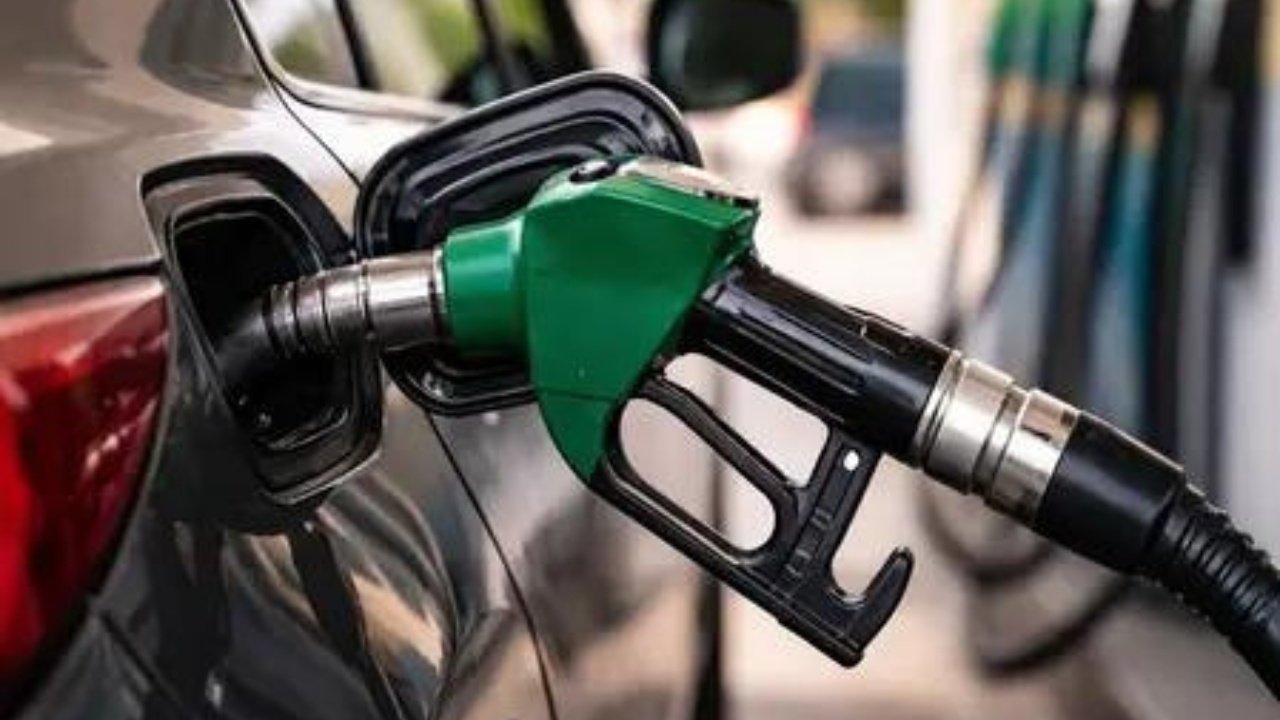
When Raj spent ₹2,000 at a Delhi fuel station today, he received 21.1 litres of petrol at ₹94.77/litre. Despite a massive ₹10 cut in central excise duty announced this morning, the price at the pump remained unchanged.
Here is the breakdown of why that ₹2,000 hasn’t decreased and who is actually pocketing the money.
1. The ₹2,000 Breakdown (Delhi Price)
Of the ₹2,000 Raj paid, the money is split across four primary stakeholders:
-
The Oil Companies (Refining & Crude): ~₹55.40 per litre (₹1,169 total)
-
This covers the cost of importing Brent crude (currently at $108/barrel), refining it, and transporting it to the station.
-
-
The Central Government (Excise Duty): ₹11.90 per litre (₹251 total)
-
This includes the Basic Excise Duty, Road Cess, and the recently slashed Special Additional Excise Duty.
-
-
The State Government (VAT): ~₹23.70 per litre (₹500 total)
-
Vat varies by state; Delhi charges roughly 25%, while cities like Hyderabad and Kolkata are higher.
-
-
The Dealer (Commission): ~₹3.77 per litre (₹80 total)
-
The earnings of the petrol pump owner.
-
2. The “Invisible” Tax Cut: Why didn’t Raj pay less?
On March 27, 2026, the Centre slashed the Special Additional Excise Duty by ₹10 per litre. Under normal circumstances, the price should have dropped to ~₹84.77.
Why it didn’t: The government explicitly directed this cut to Oil Marketing Companies (OMCs) like IOCL, BPCL, and HPCL. Because of the Iran War, these companies were losing ₹24/litre on petrol and ₹30/litre on diesel to keep domestic prices stable. The tax cut acts as a “subsidy” to the companies so they don’t go bankrupt while you continue to pay ₹94.77.
3. Current Central Tax Structure (Post-Cut)
| Component | Petrol (per litre) | Diesel (per litre) |
| Basic Excise Duty | ₹1.40 | ₹1.80 |
| Special Additional Excise | ₹3.00 (was ₹13) | ₹0.00 (was ₹10) |
| Agri & Infra Cess | ₹2.50 | ₹4.00 |
| Road & Infra Cess | ₹5.00 | ₹2.00 |
| Total Central Tax | ₹11.90 | ₹7.80 |
4. The “Iran War” Factor
The conflict involving the U.S., Israel, and Iran has pushed Brent crude toward $110/barrel.
-
Shipping Risks: Insurance premiums for tankers in the Persian Gulf have skyrocketed.
-
The “Buffer” Strategy: The Indian government is using the excise duty mechanism as a shock absorber. By reducing their own tax take, they allow OMCs to absorb the high global cost without passing the “war premium” directly to Raj’s Wagon R.
Comparison: Petrol Prices Across India (March 27, 2026)
| City | Price per Litre |
| Delhi | ₹94.77 |
| Chennai | ₹101.06 |
| Mumbai | ₹103.54 |
| Kolkata | ₹105.41 |
| Hyderabad | ₹107.50 |
Summary Table: Who gets Raj’s ₹2,000?
| Stakeholder | Amount | Percentage |
| Oil Companies & Crude Cost | ₹1,169 | 58.5% |
| State Government (VAT) | ₹500 | 25% |
| Central Government (Taxes) | ₹251 | 12.5% |
| Petrol Pump Dealer | ₹80 | 4% |
