

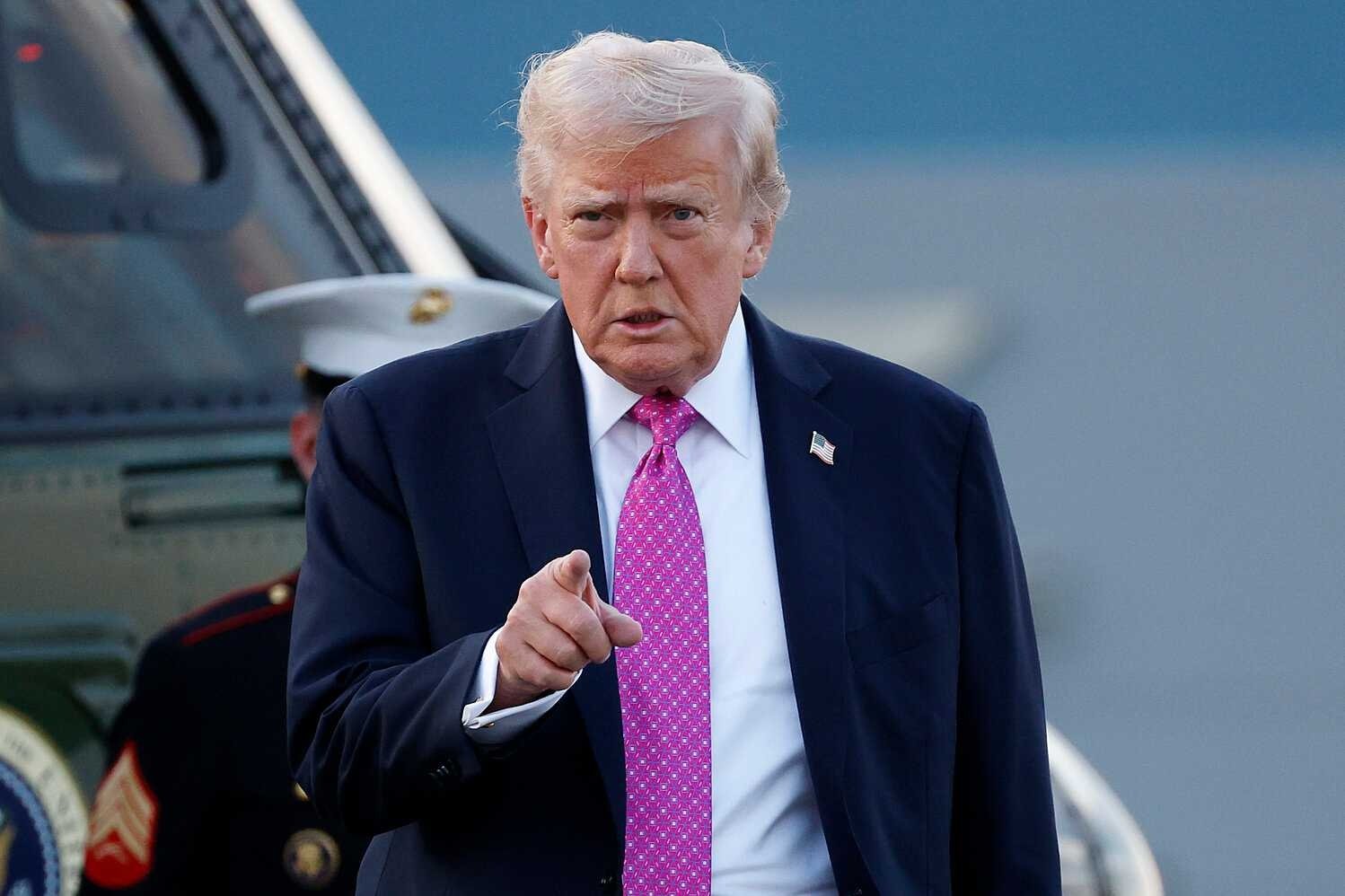
ISLAMABAD, MARCH 24, 2026 — As the conflict between the United States and Iran enters its fourth week, Pakistan has stepped into the spotlight as a primary mediator. Leveraging its unique position as a nuclear-armed nation with the world’s second-largest Shia population and deep ties to both the West and the Gulf, Islamabad has reportedly offered to host high-level negotiations between the warring parties.
The diplomatic push coincides with President Trump’s recent decision to postpone strikes on Iranian energy infrastructure for five days, a move that many analysts believe was facilitated by Pakistani back-channels.
The Islamabad Summit Proposal
According to reports from the Financial Times, Pakistan has formally proposed Islamabad as a venue for talks involving senior figures from the Trump administration and Iranian leadership.
-
The Messengers: Pakistan’s Army Chief, Field Marshal Asim Munir, reportedly held a high-stakes call with President Trump on Sunday, while PM Shehbaz Sharif spoke with Iranian President Masoud Pezeshkian on Monday.
-
The US Delegation: Rumors suggest a potential delegation including Jared Kushner, Steve Witkoff, and Vice President JD Vance could represent the U.S. side.
-
The Iranian Response: While Iranian Parliament Speaker Mohammad Bagher Qalibaf has publicly dismissed talks as “fake news,” the Iranian Foreign Ministry confirmed that messages have been received via “certain friendly states.”
Why Pakistan?
Islamabad is uniquely qualified to walk this diplomatic tightrope:
-
Neutrality: Unlike other neighbors, Pakistan has not been targeted by Iranian drones or missiles during this conflict.
-
Religious & Cultural Ties: Beyond its large Shia population, the new Iranian Supreme Leader, Ayatollah Mojtaba Khamenei, recently expressed a “special feeling” toward the people of Pakistan.
-
Strategic Balancing: Pakistan maintains a mutual defense pact with Saudi Arabia while simultaneously refusing to host American bases, preserving its image as an independent arbiter.
A Regional Effort
Pakistan isn’t working in a vacuum. A broader “scramble” for de-escalation involves:
-
Turkey & Egypt: Both nations are reportedly coordinating with Islamabad to open a window for a brief ceasefire.
-
The Gulf States: Pressure from regional energy powers likely influenced Trump’s decision to walk back his threat of “obliterating” Iranian power plants, fearing retaliatory strikes on their own desalination and energy facilities.
Diplomatic Skepticism
Despite the flurry of activity, experts at Chatham House warn that the prospects for a lasting truce remain low. Analysts suggest the current messaging is “early-stage” and that both sides are still deeply entrenched—Iran is fighting for survival, while Trump remains under pressure to resolve a crisis largely of his own making.
