

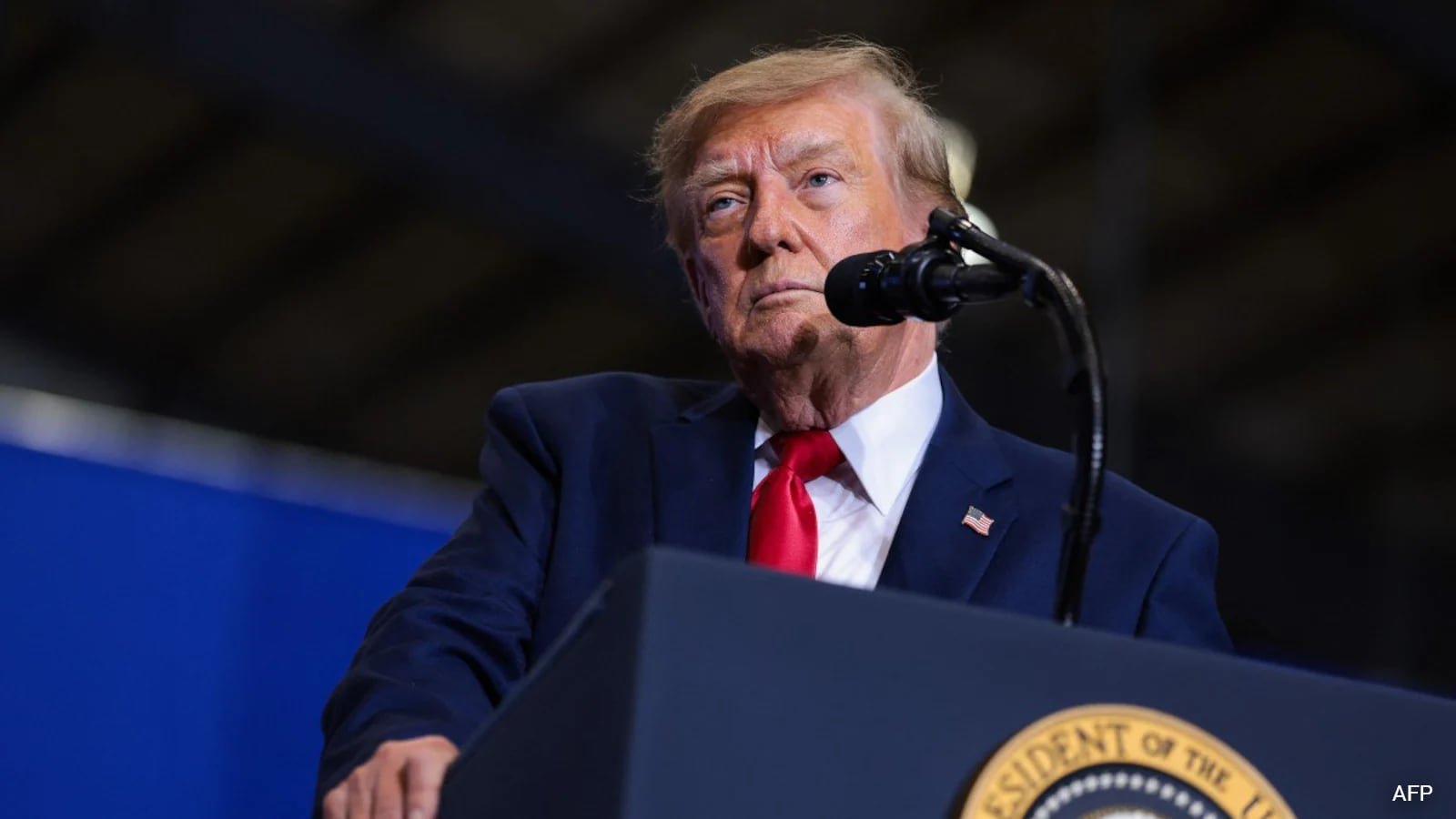
US President Donald Trump announced that the long-negotiated bilateral trade agreement between India and the United States is “pretty close” to finalization, hinting that the eventual pact will look significantly different from traditional trade arrangements signed by Washington.
Speaking to reporters at the Oval Office, Trump expressed optimism about breaking the year-and-a-half-long deadlock.
“They want to make a deal. We’re going to make a deal. Pretty close, yeah,” Trump told reporters. “It’s going to be a much different kind of deal than we’ve made [in the past].”
While the US President refrained from clarifying what specifically sets this agreement apart or giving a firm signing deadline, his remarks signal substantial progress on a deal closely watched by global markets, exporters, and investors.
Diplomatic Push in High Gear
Trump’s statements coincide with high-level diplomatic engagements in New Delhi. US Secretary of State Marco Rubio met with India’s External Affairs Minister S. Jaishankar to discuss strengthening ties across trade, defense, energy, and technology.
Assuring that negotiations were down to technical details, Rubio noted earlier that a final agreement was “weeks, not months” away, describing the two nations as “about as close as you can be without having an executed agreement.”
The momentum follows recent discussions between Union Commerce Minister Piyush Goyal and US Trade Representative Jamieson Greer in Washington and Milwaukee aimed at ironing out the remaining tariff and regulatory bottlenecks.
Strategic Significance & Economic Stakes
Under President Trump’s administration, trade policy has centered around reciprocity, tariff adjustments, and expanded market access for American businesses. Bilateral negotiations have focused on resolving differences over agricultural imports, industrial goods, regulatory barriers, and tariff structures.
For India, concluding the trade deal carries major implications for key export sectors—including IT services, pharmaceuticals, engineering goods, and textiles. Meanwhile, US firms continue to seek deeper access to India’s rapidly expanding manufacturing sectors and domestic consumer market.
