

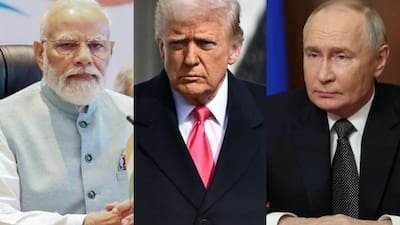
In a significant diplomatic and economic development, US President Donald Trump has issued an executive order waiving a range of heavy sanctions and duties tied to Russian energy exports. The directive comes just hours before the punitive measures were set to go into effect, granting substantial relief to major importers of Russian oil, including India and China.
Key Takeaways
-
Executive Waiver: President Trump suspended the implementation of strict tariffs and restrictions, certifying to Congress that the waiver is in the “national interest” of the United States.
-
Avoided Escalation: The directive temporarily protects major buyers of Russian energy—such as India, China, Hungary, Slovakia, and Azerbaijan—from facing up to 100% tariffs on exports to the US.
-
Conditional Pause: The executive order only pauses the implementation; the administration retains full authority to reimpose tariffs or restrictions at a later date if deemed necessary.
The Graham Act & Its Impending Deadline
The waived restrictions stem from the Lindsey O. Graham Sanctioning Russia and Iran Act of 2026, a bipartisan bill signed by Trump the previous month. Named in honor of Senator Lindsey Graham following his passing earlier in the year, the legislation aimed to restrict financial pipelines sustaining Moscow’s war efforts.
Provisions under the Act included:
-
100% Tariffs: Mandated on goods imported to the US from top buyers of Russian crude (including India and China).
-
500% Duties: Targeted direct US imports of Russian energy products.
-
Entity Sanctions: Targeted high-ranking Russian officials, financial institutions, and its dark-fleet energy transport network.
The 30-day statutory deadline for applying these punitive measures was set to expire on October 18, 2026.
Impact on India and Strategic Response
Had the 100% secondary tariffs been enforced, they would have severely burdened Indian trade, stacking on top of pre-existing US duties.
New Delhi consistently maintained that its ongoing energy purchases from Russia are essential for ensuring domestic energy security and keeping fuel affordable for its 1.4 billion citizens. Indian diplomats highlighted to Washington that abruptly cutting Russian crude out of global trade flows would destabilize energy markets, spike global oil prices, and create economic volatility far beyond regional borders.
Shifting Geopolitical Landscape
The waiver coincides with a notable shift in Washington’s foreign policy approach regarding the Eastern European conflict:
-
US-Russia Energy Arrangements: Trump recently announced an agreement with Russian President Vladimir Putin to import over 300,000 tonnes of Russian diesel to help curb rising domestic energy and fuel costs.
-
Tensions with Kyiv: Ukrainian President Volodymyr Zelensky publicly criticized the US-Russia fuel deal, calling it a “weak decision”. In response, Trump publicly questioned Zelensky’s approach to peace talks, suggesting Ukraine may need leadership capable of striking a negotiated settlement.
While the waiver provides immediate relief to international trade partners, Washington continues to monitor global crude flows, leaving open the possibility of future adjustments depending on market stability and diplomatic developments.
