

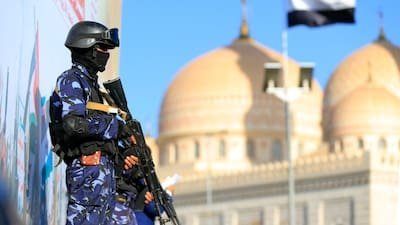
Despite boasting one of the world’s most advanced and well-funded defense forces—spending approximately 6.5% of its GDP ($83 billion in 2025) on defense—Saudi Arabia continues to face significant vulnerabilities from Iran-backed Houthi rebel strikes. A recent escalation, including a deadly attack on King Khalid International Airport in Riyadh that left 12 dead and over 300 wounded, highlights the growing challenge the kingdom faces in defending its critical infrastructure.
1. Massive Geographical Scale vs. Defense Distribution
Saudi Arabia spans roughly 2.2 million square kilometers, making complete air defense coverage virtually impossible.
-
Vast Territory: Air defense systems like the Patriot and THAAD cannot create an impermeable shield across a landmass of this size.
-
Expansive Targets: Saudi forces must simultaneously defend oil refineries, major urban centers, military posts, religious holy sites, and massive facilities like Riyadh’s airport, which alone covers 225 square kilometers.
2. Advanced Houthi Arsenal & Saturation Tactics
The Houthi rebels (Ansar Allah) have evolved beyond traditional guerrilla capabilities, leveraging sophisticated mixed-weapon tactics to overwhelm radar and interception networks.
-
Diverse Missile Tech: Their arsenal includes short-to-medium-range ballistic missiles (such as the Burkan, Badr, and Toufan series) and advanced weapons like the Palestine-2, a two-stage solid-fuel missile with hypersonic capabilities.
-
Swarm & Mixed Tactics: By launching combinations of low-cost drones and high-speed ballistic missiles simultaneously, the Houthis confuse and saturate multi-layered air defense systems.
-
Depletion of Interceptors: High-volume attacks force Saudi Arabia to expend expensive interceptor missiles, compounding a global shortage of defense stockpiles.
3. Asymmetric Warfare & Strategic Intent
The Houthis do not need every attack to land; a single breakthrough yields disproportionate economic and strategic dividends.
-
Targeting Vision 2030: Repeated strikes on major transit hubs and oil infrastructure threaten Crown Prince Mohammed bin Salman’s plan to transform Saudi Arabia into a safe, diversified hub for global business and tourism.
-
Raising the Cost of War: By hitting high-profile targets in response to Saudi airstrikes in Yemen, the Houthis aim to raise the cost of Saudi military intervention and force political concessions.
Related Regional Developments
-
Air Defense Activity in Mendhar Sector: In a separate security development, Indian Army specialists safely detonated two rusted landmines uncovered during construction along the border fence in Jammu & Kashmir’s Mendhar sector.
-
Diplomatic & Citizen Concerns: Following the recent strikes in Riyadh, foreign diplomatic missions advised citizens to avoid major transport hubs due to reduced advance warning alerts from local authorities.
