

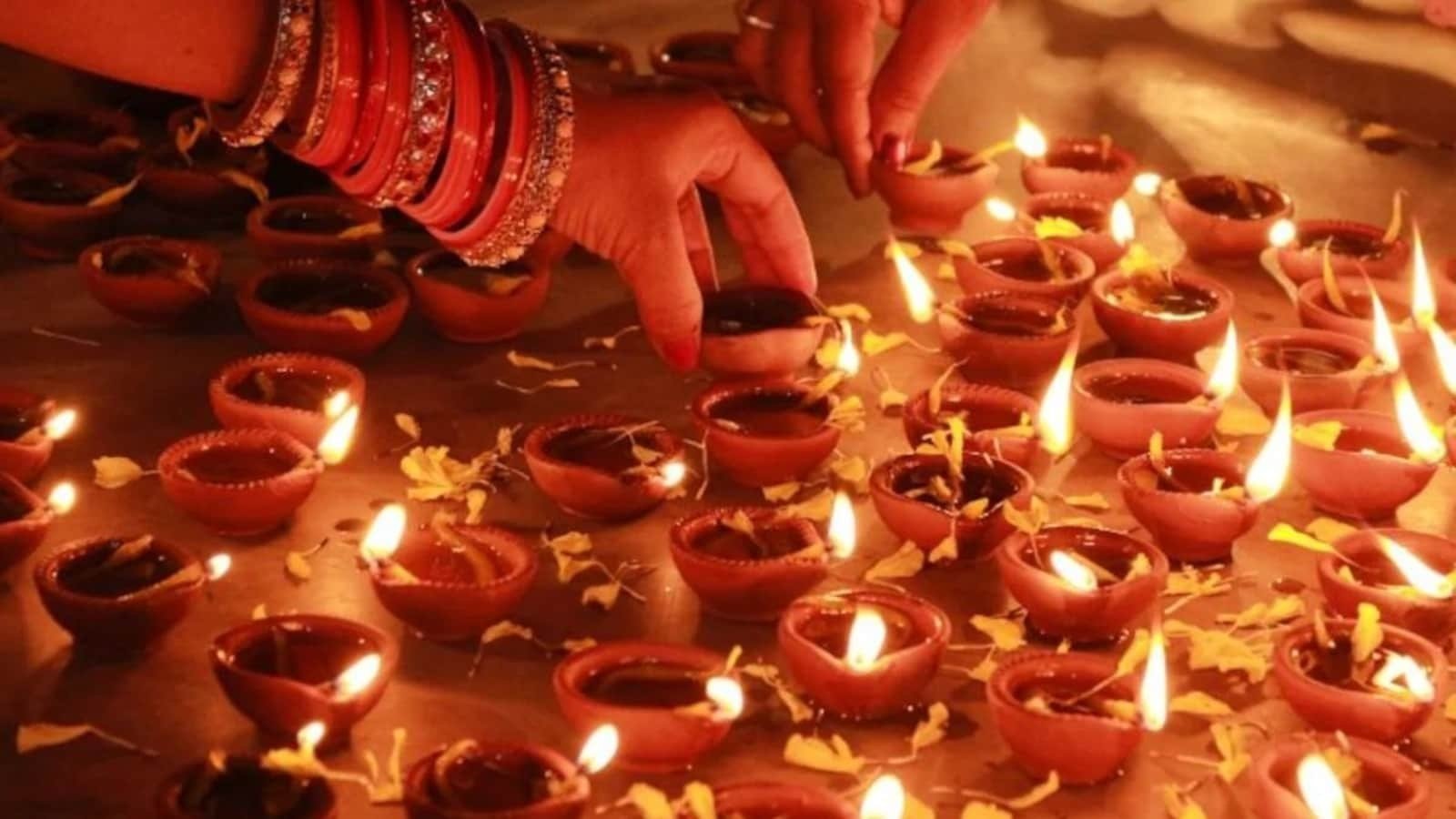
A California court has struck down specific provisions of Assembly Bill 268 (AB 268)—the landmark legislation recognizing Diwali as a state holiday—less than a year after its passage.
While Governor Gavin Newsom signed the bill into law in October 2025, the judicial ruling targets the statutory language defining the religious significance of the festival, requiring lawmakers to revise the text to align with constitutional standards regarding state endorsement of religion.
Key Takeaways of the Ruling
-
Focus of the Challenge: The court’s decision centers on the legal phrasing surrounding Diwali’s religious background, rather than invalidating the state’s authority to grant leave or allow school closures.
-
Scope of the Original Law: AB 268 designated Diwali as an optional state holiday. It authorized state employees to use paid leave to observe the day and gave K-12 public schools and community colleges the option to close. It did not mandate private sector business closures.
-
Next Steps: State lawmakers are expected to adjust the legislative language in upcoming legislative sessions to resolve the constitutional technicalities while maintaining the holiday framework.
Community Response
The Hindu American Foundation (HAF), which actively supported the original passage of AB 268, characterized the legal challenge as a procedural hurdle in the broader effort to recognize cultural diversity.
“We are monitoring the lawsuit and will continue supporting Hindu Americans in California as we work to protect the ability of our community to celebrate the holidays that matter.”
— Hindu American Foundation (HAF)
Background: Diwali Recognition in the US
California is home to the largest Indian American population in the United States. In 2025, it became the third US state—following Pennsylvania and Connecticut—to officially recognize Diwali through state legislation.
The original bill, authored by Assemblymembers Ash Kalra and Darshana Patel, was scheduled to take effect fully in 2026. Lawmakers and advocacy groups are working to ensure the statutory text is amended so observance options remain available to public employees and students.
