

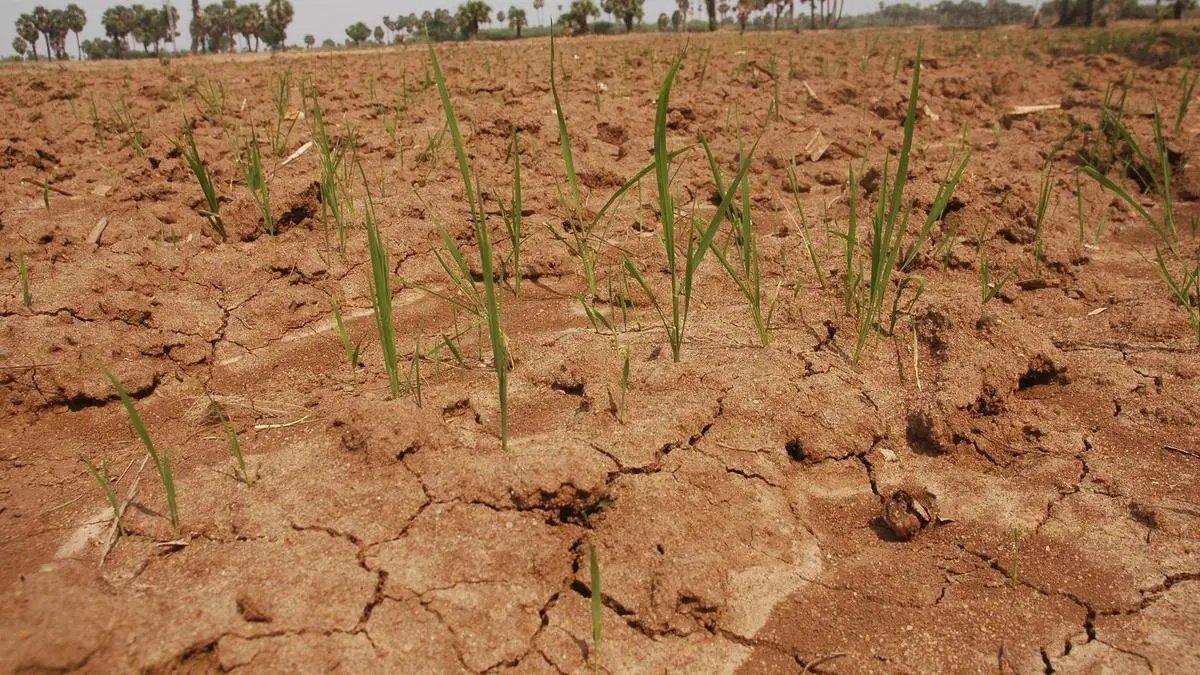
A weak southwest monsoon has left Punjab with a 28% rainfall deficit, forcing paddy farmers to rely heavily on groundwater. The shift has sharply escalated cultivation costs and sparked widespread concern over potential crop losses. Punjab Meteorological Department Director Surinder Paul reported that the state has received just 88.9 mm of rain against the seasonal norm of 123 mm. The shortfall is primarily attributed to weak monsoon cloud systems originating over West Bengal and limited local cloud formation.
Paddy, the region’s primary Kharif crop, requires intense watering during the transplantation stage. The lack of rain—compounded by erratic electricity supplies and limited canal water—has forced growers in districts like Moga to run tube wells continuously. Farmers note that the dry spell has also forced them to spend significantly more on additional fertilizers and pesticides to protect their crops.
Agricultural official Dr. Amarjeet Singh Doshanj warned that if the dry conditions persist, Kharif yields could drop by 1% to 5%, translating to an estimated financial loss of ₹2,500 to ₹3,000 per acre. To alleviate pressure on the state’s severely depleted groundwater reserves, officials are urging farmers in water-stressed pockets to pivot toward less water-intensive alternatives like maize, moong, and bajra.
While the monsoon is expected to remain weak for the next few days, relief may be on the horizon. The Meteorological Department projects an increase in rainfall activity across Punjab between July 20 and July 22, which could help narrow the deficit. For now, experts advise farmers to maintain strict irrigation schedules until the rains return.
