

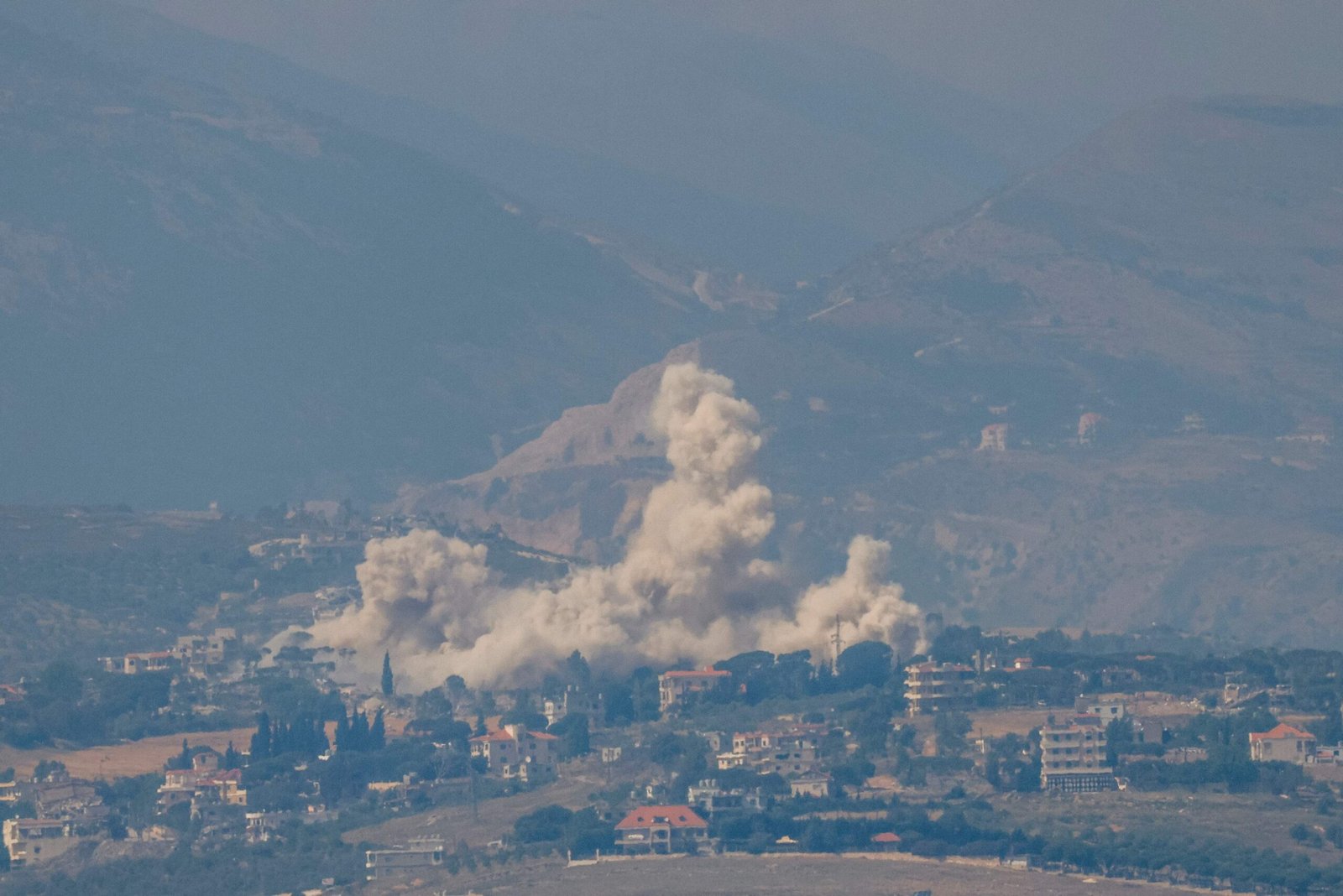
The United States military has executed a series of targeted “self-defense strikes” against Iranian military infrastructure over the weekend. Hit hard were Tehran’s radar and drone command centers located in Goruk and on the strategically critical Qeshm Island.
According to US Central Command (CENTCOM), the action was a direct response to aggressive Iranian maneuvers, threatening to upend ongoing diplomatic talks aimed at securing a permanent ceasefire and reopening the blocked Strait of Hormuz.
The Trigger: Downed US Drone
The weekend escalation began when an American MQ-1 Predator drone, operating in international airspace, was shot down by Iranian forces.
In a swift retaliatory response, US fighter jets targeted and neutralized multiple assets inside Iran:
-
Iranian Air Defenses: Knocked out to secure airspace.
-
Ground Control Station: A vital node used by Iran to operate its unmanned aerial vehicles (UAVs).
-
One-Way Attack Drones: Two kamikaze-style drones were destroyed on the ground before deployment.
CENTCOM confirmed that no US military personnel were injured or harmed during the operations.
The Strategic Geography of the Conflict
The strikes targeted key points along Iran’s southern coast, most notably Qeshm Island, which sits directly at the gates of the narrow world energy chokepoint.
A Cycle of Tit-for-Tat Actions
This weekend’s clash follows a dangerous pattern of cross-border military strikes. Just last week, the two nations traded heavy fire after a US operation targeted Iranian drone storage facilities near the Strait of Hormuz.
In a rapid sequence of events following the initial weekend clash:
-
US Navy Strike: Hit a communication tower on Iran’s Sirik Island.
-
IRGC Aerospace Response: Iranian Revolutionary Guard Corps (IRGC) fighters launched an immediate counter-attack against the specific foreign airbase they identified as the origin of the US jets.
-
Kuwait Interception: Early Monday morning, Kuwaiti air defenses opened fire to intercept a barrage of incoming missiles and drones flying over its territory. While unclaimed, the attack is widely believed to have been launched by Iran or its proxy militias in Iraq targeting US assets stationed in Kuwait.
Diplomatic Tracks Falter
The military flare-up underscores the immense friction surrounding backchannel diplomatic negotiations. Iranian Foreign Minister Abbas Araghchi confirmed that Tehran and Washington are still actively exchanging messages through intermediaries to hammer out a framework to end the war and restore maritime transit.
However, the path forward remains highly unstable. Reports from US media indicate that the Trump administration is demanding significantly tougher terms in the preliminary agreement before signing off on a final deal—a stance that has clearly pushed hardline elements within the IRGC to ramp up kinetic pressure in the Gulf.
