

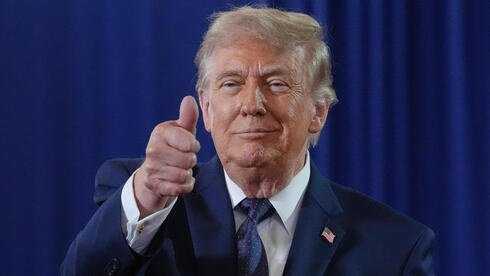
U.S. President Donald Trump has introduced a massive diplomatic condition to ongoing regional peace talks: he is demanding that six major Muslim-majority nations—Saudi Arabia, Qatar, Pakistan, Egypt, Jordan, and Turkey—simultaneously sign the Abraham Accords as part of a final deal to end the conflict with Iran.
But what exactly are these agreements, and why is this demand creating such a complex diplomatic deadlock?
Understanding the Abraham Accords
The Abraham Accords are a series of joint normalization statements and bilateral agreements brokered by the United States to establish full diplomatic, economic, and security ties between Israel and Arab/Muslim-majority nations.
-
The Launch (2020): Brokered during Trump’s first term in office, the United Arab Emirates (UAE) and Bahrain broke a decades-old regional taboo by becoming the first Arab nations to recognize Israel in a quarter-century.
-
The Expansion (2020–2025): Morocco and Sudan joined the accords shortly after, followed more recently by Kazakhstan in 2025.
-
The Paradigm Shift: Historically, Arab and Muslim-majority nations adhered to the “Arab Peace Initiative” stance—refusing to recognize Israel or establish ties until an independent Palestinian state was created based on pre-1967 borders. The Accords bypassed this condition, prioritizing regional trade, technology sharing, security alliances, and a united front against Iran.
Why the Accords Matter to the Involved Parties
For Israel, the Accords are a massive strategic victory, offering integration into the Middle East’s economic and defense architecture. The agreement with the UAE, a global financial and trade hub, opened doors to massive commercial investments, defense cooperation, and a free trade pact.
For the United States, Washington views the Accords as a framework to stabilize the region, protect international shipping lanes (like the Strait of Hormuz), and foster a collective regional security alignment.
The Push for Expansion: Trump’s New Condition
With high-level peace negotiations taking place in Doha to end the current military conflict with Iran, Trump is pushing for an “en masse” expansion of the framework. He has stated that it should be “mandatory” for regional heavyweights to join, suggesting that once an agreement is finalized, even Iran could eventually be integrated into the fold.
                  [ TRUMP'S PROPOSED REGIONAL ARCHITECTURE ]
                                      │
               ┌──────────────────────┴──────────────────────┐
               ▼                                             ▼
     [ THE CURRENT SIGNATORIES ]                   [ THE TARGETED EXPANSION ]
  UAE • Bahrain • Morocco • Sudan                Saudi Arabia • Qatar • Pakistan
           • Kazakhstan •                           Egypt • Jordan • Turkey
The “Tricky Paradox”: Why Nations Are Resisting
Despite Washington’s pressure, expanding the Accords presents an incredibly difficult political and ideological dilemma for the targeted nations:
-
The Palestinian Stance: Palestinian leaders have strongly condemned the Accords from the beginning, labeling them a betrayal that trades away leverage for a two-state solution.
-
The Saudi and Qatari Holdout: Saudi Arabia—the wealthiest and most influential Arab state—alongside Qatar, has consistently maintained that formal diplomatic normalization with Tel Aviv is impossible without a clear, irreversible path to a sovereign Palestinian state. This is highly complicated by the stance of Israel’s current government, which firmly rejects a two-state setup.
-
The Pakistani Dilemma: For non-Arab nations like Pakistan, refusing to recognize Israel is a foundational element of state ideology. While Islamabad wants to repair its strained diplomatic relationship with Washington, any move toward the Accords would trigger immediate, massive public and political unrest at home.
-
Public Backlash: Following the immense casualties and destruction in Gaza since late 2023, public anger across the Middle East and Islamic world is at an all-time high, making normalization politically hazardous for regional leaders.
