

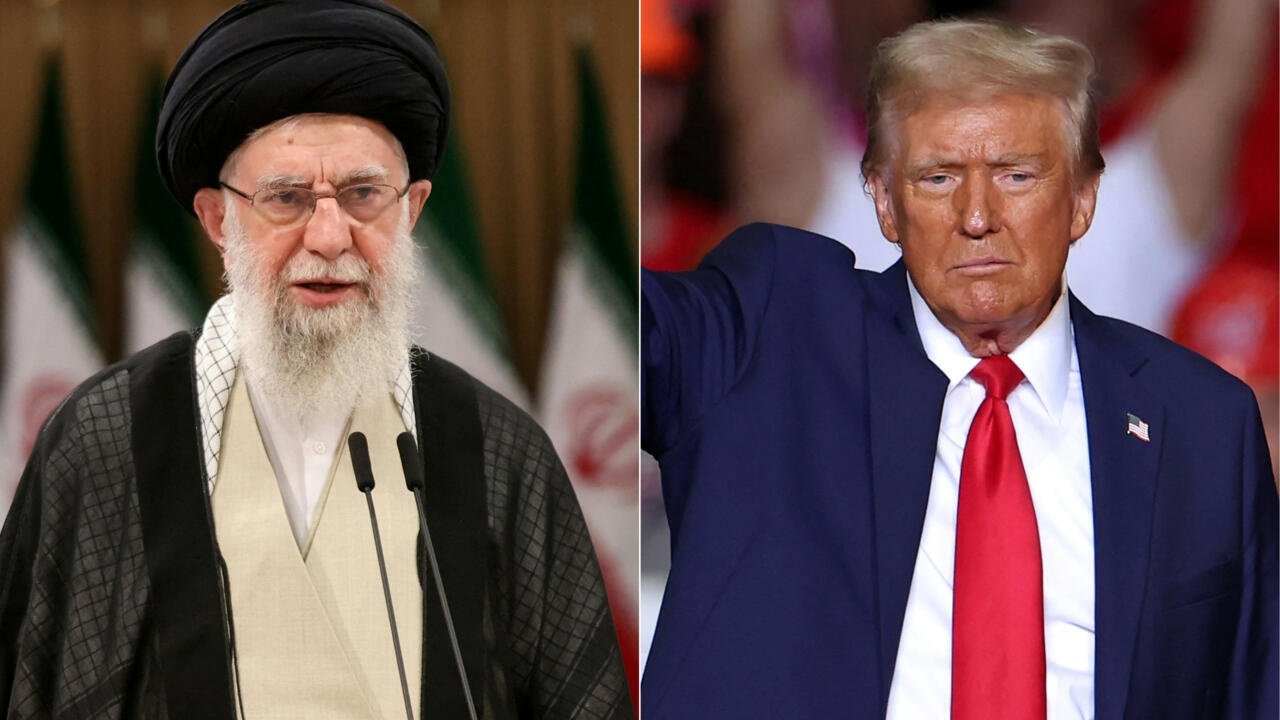
US President Donald Trump has publicly labeled Israeli Prime Minister Benjamin Netanyahu a “warrior prime minister,” seeking to project a unified front despite simmering behind-the-scenes tensions and explicit warnings from US intelligence that Israel could dismantle Washington’s newly signed peace deal with Iran.
Public Praise and Claims of Control
Speaking near Washington following the unveiling of a replacement Air Force One aircraft—a gift from Qatar—Trump praised Israel’s military performance in the conflict initiated on February 28.
Donald Trump: “Obviously we fought very well with Israel, and we’ve had a great relationship with Israel. We were very formidable. And Bibi (Benjamin) Netanyahu, he’s a warrior prime minister, and he should be acknowledged as that. They should give him credit.”
Despite the public accolades, Trump acknowledged the volatility of the relationship in an interview with Axios, stating, “It’s good, but we have to keep him a little bit sane.” When questioned about his ability to dictate Israeli military actions, particularly regarding ongoing operations against Hezbollah in Lebanon, Trump claimed total authority: “Yeah, I will be [able to control it]… they have a lot of respect for me, and they do as I say.”
Behind the Scenes: Profane Volatility
The public presentation of a smooth alliance stands in stark contrast to reported private frictions. Trump previously unleashed a furious, expletive-laden tirade against Netanyahu during a June 1 phone call after Israeli actions in Lebanon temporarily derailed peace talks with Tehran.
According to reports, Trump shouted at the Israeli leader:
“You’re f*ing crazy. You’d be in prison if it weren’t for me. I’m saving your ass. Everybody hates you now. Everybody hates Israel because of this.”
US Intelligence Sounds the Alarm
A report by The Washington Post, citing current and former US officials, reveals that American intelligence agencies have formally warned the administration that Netanyahu is highly likely to take calculated steps to sabotage the US-Iran peace memorandum.
-
Political Survival: With national elections scheduled in Israel later this year, intelligence analysts assess that Netanyahu’s political survival relies heavily on proving to his domestic base that he will not withdraw troops from Lebanon.
-
Strategic Disagreement: Israel remains profoundly frustrated by the terms of the Trump administration’s peace agreement with Tehran, viewing it as an obstacle to Israel’s ultimate goal of maintaining “maximum pressure” on Iran.
Fragile Israel-Hezbollah Ceasefire Brokered
The intelligence warnings come on the heels of a precarious, US-and-Qatari-brokered ceasefire between Israel and Hezbollah established on Friday. The truce was desperately put together after intense cross-border strikes threatened to collapse Trump’s broader Iran peace deal less than 48 hours after its signing.
Israel’s Ambassador to the US, Yechiel Leiter, confirmed that Israel would commit to the immediate ceasefire, but heavily qualified it, stating it would hold “only if Hezbollah honours the agreement and ceases its hostilities.” A similar truce enacted in April collapsed rapidly, leaving international observers skeptical as US Envoy Steve Witkoff and Iranian Foreign Minister Abbas Araqchi head to Switzerland to salvage the broader diplomatic framework.
