

A massive trade and regulatory battle has erupted between Washington and Ottawa after the Canadian Radio-television and Telecommunications Commission (CRTC) dramatically altered its broadcasting rules. The decision has drawn fierce criticism from U.S. diplomats and entertainment bodies, who accuse Canada of weaponizing its regulatory system to unfairly target American innovators.
The changes significantly increase the financial obligations of dominant American streaming platforms operating within Canadian borders.
The Dispute: Tripling the Contribution Rate
At the heart of the conflict is a sharp increase in the mandatory revenue contributions required of foreign online platforms, such as Netflix, Disney+, and Amazon Prime Video.
-
The Hike: The CRTC is forcing global streaming services to direct 15% of their Canadian revenue toward local programming—a massive spike from the previous 5% requirement.
-
The Traditional Offset: Concurrently, Canada is slashing the regulatory obligations for its traditional, domestic broadcasters down to 25% (previously a much higher range of 30% to 45%).
The regulator defended the shift as a necessary balancing act to ensure domestic broadcasters aren’t left holding the financial bag for local content production while digital streaming consumption continues to explode across the country.
“Applying Canadian Law in Canada”
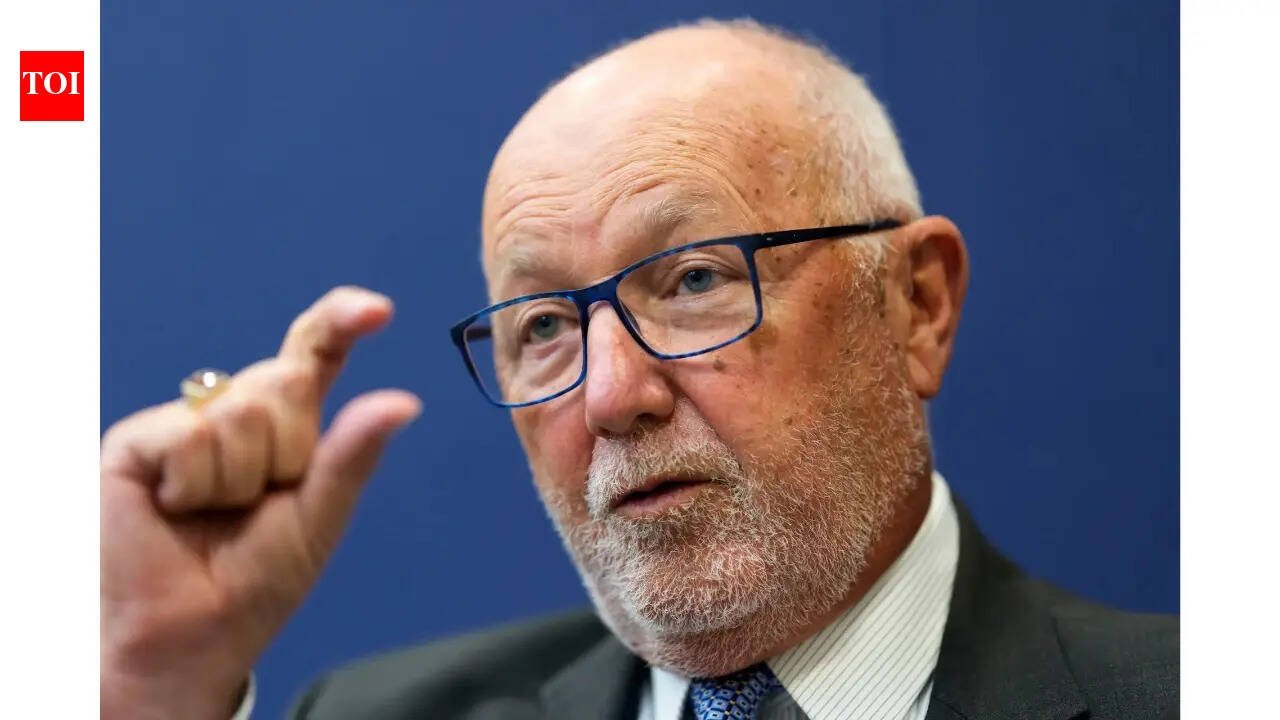
United States Ambassador to Canada, Pete Hoekstra, slammed the policy shift, warning that it severely damages cross-border trade relations and chills the North American corporate investment landscape.
“The decision to triple the tax rate on leading streaming services is making a bad situation worse,” Hoekstra remarked. “The Canadian regulator is targeting and taxing U.S. companies, putting up new, discriminatory trade barriers, and worsening the investment climate for American businesses.”
Canadian officials immediately pushed back against the “tax” label, framing the mandate strictly as a matter of cultural sovereignty and domestic rule of law.
[ U.S. Position: Pete Hoekstra ]              [ Canadian Position: Scott Shortliffe ]
"Targeting and taxing U.S. companies,         "We are not involved in trade negotiations.
putting up new, discriminatory trade          We are applying Canadian law
barriers..."                                  in Canada."
Canada’s Minister responsible for cultural policy, Marc Miller, backed the preservation of homegrown entertainment, stating, “It remains essential to ensure that Canadians continue to see themselves reflected on screen.”
The French-Language and Indigenous Focus
The newly collected capital is primarily slated to bankroll Canadian television and film productions, with a highly specific mandate to support content tailored toward French-speaking and Indigenous communities.
The heavy emphasis on French-language entertainment carries immense domestic political leverage. Support from French-dominant Quebec played an indispensable role in helping the governing Liberal Party maintain its parliamentary standing during recent elections.
U.S. Industry Demands Retaliation Ahead of USMCA Review
The aggressive policy pivot has met with uniform condemnation from American trade organizations, who are now lobbying Washington lawmakers for direct economic retaliation.
| Organization | Official Stance / Action Taken |
| Motion Picture Association | Condemned the rules as “unprecedented, unnecessary, and discriminatory investment obligations” forced upon U.S. entertainment studios. |
| Streaming Innovation Alliance | Dispatched an urgent letter to U.S. House Ways and Means Committee Chairman Jason Smith demanding “coordinated, unified legislative and executive branch activity” to halt Canada’s protectionist push. |
A Cold Outlook for Trade Relations
The timing of this regulatory escalation is highly sensitive. The friction comes just as continental trade relations face intense scrutiny ahead of an upcoming, mandatory review of the United States-Mexico-Canada Agreement (USMCA).
While U.S. trade officials note that negotiations with Ottawa have grown increasingly gridlocked and difficult, Canadian policymakers have simultaneously shown very little appetite for making major concessions or updates to the existing trilateral free-trade deal.
As both nations dig in their heels, international trade experts warn that the broadcasting standoff represents a fundamental policy divergence. Prominent trade lawyer Mark Warner noted the severity of the rift, observing simply, “It’s hard to see how this ends amicably.”
