

A confidential report has exposed a sophisticated strategic proposal by Russia’s military intelligence (the GRU) to equip Iran with “unjammable” drone technology. This marks the first concrete evidence of Moscow offering innovative weaponry in quantities capable of inflicting significant casualties on American and allied forces during the ongoing conflict in the Middle East.
The “Fibre-Optic” Edge: A Tactical Game-Changer
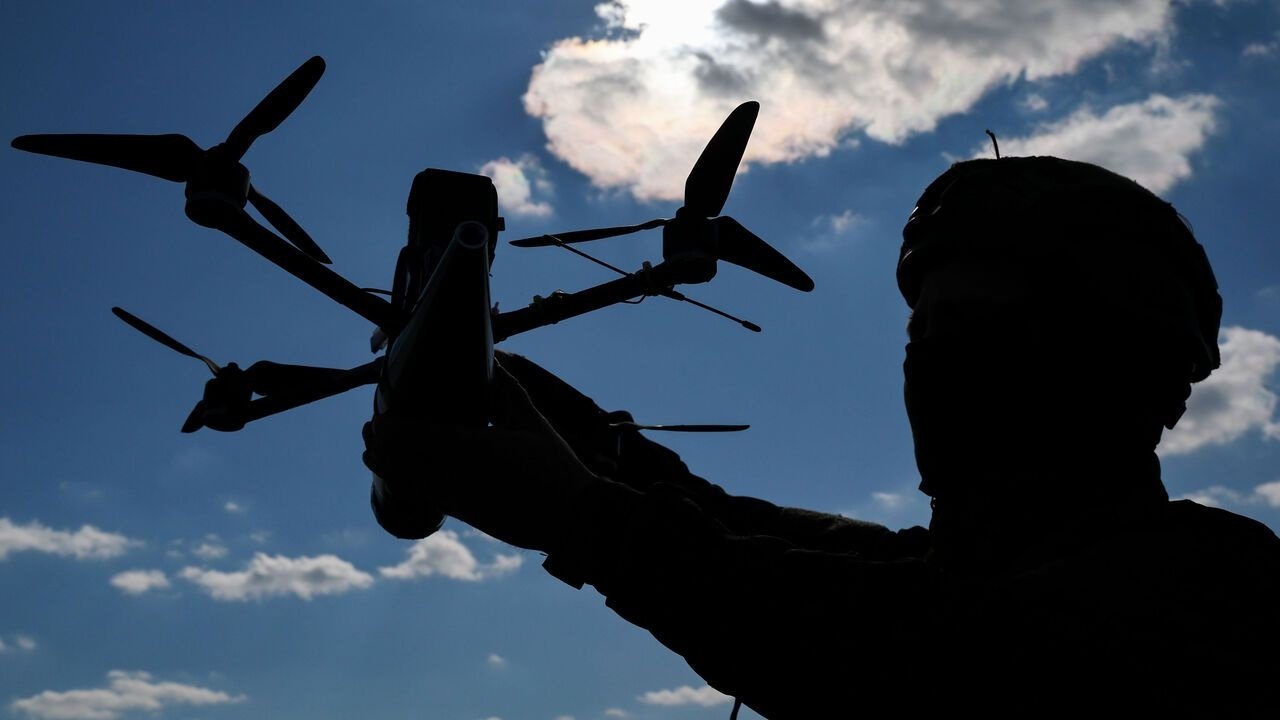
The centerpiece of the Russian proposal involves 5,000 short-range fibre-optic drones. These differ fundamentally from standard drones in two ways:
-
Immunity to Jamming: Instead of radio signals—which the U.S. can jam—these drones are controlled via a thin spool of fibre-optic wire.
-
Invisible Operators: Because they emit no radio signals, U.S. forces cannot track the signal back to locate and attack the operator.
-
Precision: They transmit high-definition video, allowing for pinpoint strikes at ranges of over 40km, creating “grey zones” where targets are attacked remorselessly.
Satellite-Guided Drones & the Starlink Factor
The plan also includes longer-range drones equipped with Starlink terminals.
-
Strategic Diversion: After Elon Musk restricted Starlink access for Russian forces in Ukraine, Moscow reportedly considered diverting these satellite-guided drones to the Middle East, where similar restrictions are not currently in place.
-
Payload & Stealth: These drones are designed to carry heavier payloads while using advanced technology to evade sophisticated air defenses.
The Recruitment & Training Strategy
The GRU’s 10-page proposal outlined a unique method for building Iran’s “kill machine” without relying solely on traditional military channels:
-
Student Operators: Russia proposed recruiting drone operators from the 10,000 Iranian students currently studying in Russian universities.
-
Linguistic Assets: The plan also suggests tapping into Tajik communities (who speak both Russian and Persian) and Alawite minorities from Syria.
-
Screening: Every potential recruit would undergo rigorous loyalty checks and screening against religious extremism.
Geopolitical Context: A Failed Blockade?
The report suggests this proposal was likely drafted during the early weeks of the war, as a deterrent against potential U.S. ground operations on Iranian oil facilities like Kharg Island.
| Weapon Type | Capability | Strategic Impact |
| Fibre-Optic Drones | Controlled via physical wire | Renders U.S. electronic warfare (jamming) useless. |
| Upgraded Shaheds | Satellite-guided / Starlink | Enhanced range and ability to bypass air defenses. |
| Intelligence Sharing | Real-time targeting data | Enables Iranian proxies (like Hezbollah) to strike with higher lethality. |
While it is not yet confirmed if the full delivery of 5,000 drones was completed, Israeli officials have already confirmed the appearance of fibre-optic drones in Lebanon, used by Hezbollah against Israeli forces.
This growing military cooperation suggests that Moscow is actively looking for ways to rebalance the conflict in the Middle East by turning Iran’s drone fleet into a high-tech, unjammable threat to Western interests.
