

The strategic friction within the Gulf has reached a critical juncture as President Trump’s “Project Freedom”—the ambitious military operation to break the Iranian blockade of the Strait of Hormuz—faces unprecedented diplomatic and military hurdles. While a high-stakes resolution between Washington and Riyadh has cleared the immediate path for the operation’s restart, the regional landscape remains a powder keg of “love taps” and escalating tension.
The “Defiance”: A Rare Rift in the Gulf Alliance
In a significant departure from traditional security cooperation, Saudi Arabia and Kuwait temporarily halted the momentum of the U.S. operation by imposing strict limitations on American military capabilities.
-
Base and Airspace Restrictions: Reports indicate that Riyadh and Kuwait City blocked U.S. aircraft from utilizing key installations, including the Prince Sultan Airbase, and restricted the use of their airspace for ‘Project Freedom’ missions.
-
Fear of Escalation: Saudi leadership expressed deep concern that the operation was “unnecessarily escalatory.” They feared that a direct U.S.-Iran naval engagement would trigger Iranian strikes on civilian infrastructure, similar to the devastating drone attacks on the UAE’s Fujairah oil facilities.
-
The UAE Factor: Abu Dhabi’s mounting frustration over being the primary target of Iranian retaliation prompted Saudi Arabia to take a firmer stance against what they perceived as an “erratic” U.S. strategy.
The Turnaround: The MBS-Trump Agreement
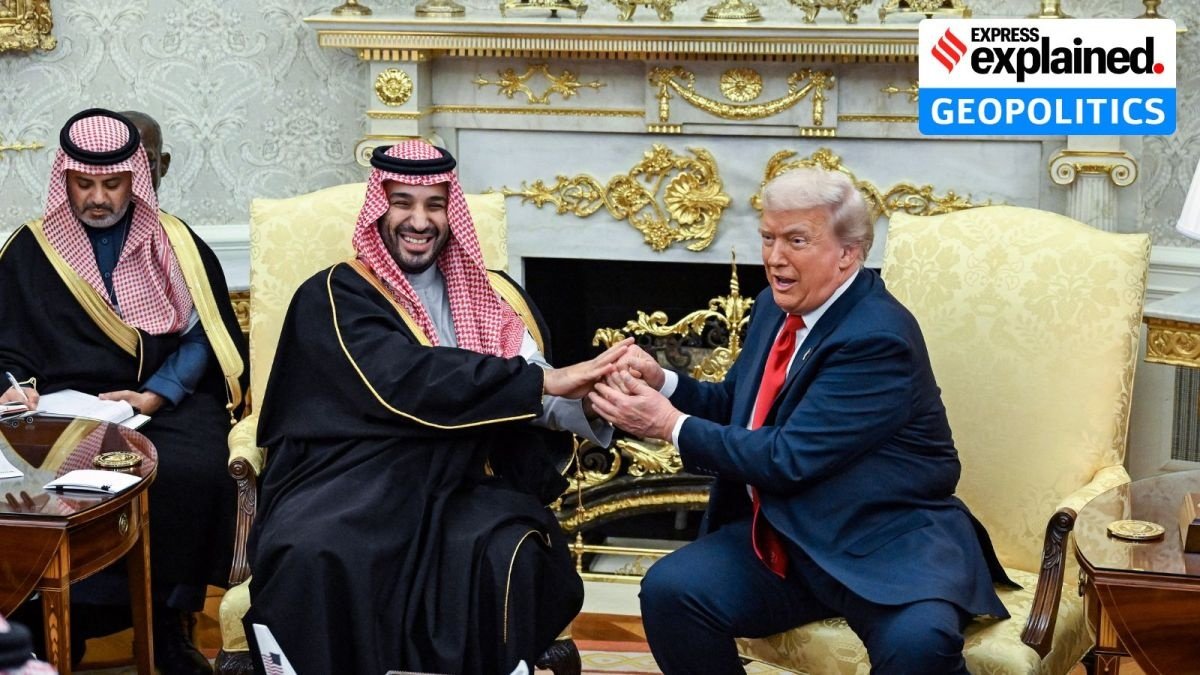
The deadlock was broken on Wednesday night (May 6, 2026) during a pivotal phone call between President Trump and Crown Prince Mohammed bin Salman (MBS).
-
The Resolution: Saudi Arabia and Kuwait agreed to lift their military restrictions, once again granting the U.S. full access to bases and regional corridors.
-
The Dual-Track Strategy: In exchange for this cooperation, the U.S. has reportedly shifted to a “dual-track” approach. This involves continuing the “Project Freedom” escorts while simultaneously throwing significant weight behind a 14-point peace proposal currently under review in Tehran.
Current Conflict Status: The “Love Tap” Incident
Despite the diplomatic breakthrough on May 6, the waters of the Strait saw actual combat just 24 hours later.
-
The Clash (May 7, 2026): Three U.S. Navy destroyers were targeted by drones and missiles while transiting the Strait. The U.S. successfully intercepted the incoming fire and retaliated by sinking six Iranian fast-attack boats.
-
Trump’s “Love Tap” Rhetoric: Characteristically downplaying the severity of the engagement, President Trump referred to the skirmish as a “love tap,” maintaining that the April 17 ceasefire remains technically valid.
-
The Restart: With regional support restored, the Pentagon is preparing to fully resume ‘Project Freedom’ operations as early as this weekend.
Strategic Overview: Project Freedom
| Feature | Details |
| Primary Objective | To provide naval and air escorts for neutral commercial vessels through the blockaded Strait. |
| Immediate Hurdle | Minimizing Iranian retaliation against Gulf energy and civilian infrastructure. |
| Diplomatic Support | Mediation tracks led by Pakistan and China are operating alongside military efforts. |
| Internal Iranian Risk | Hardliners in the Iranian Majlis (Parliament) have dismissed peace talks as “fake,” indicating a fractured leadership in Tehran. |
The global energy market remains on high alert. The success of ‘Project Freedom’ hinges on whether the Trump administration can restore the free flow of oil without a miscalculation leading to a full-scale regional conflagration.
