

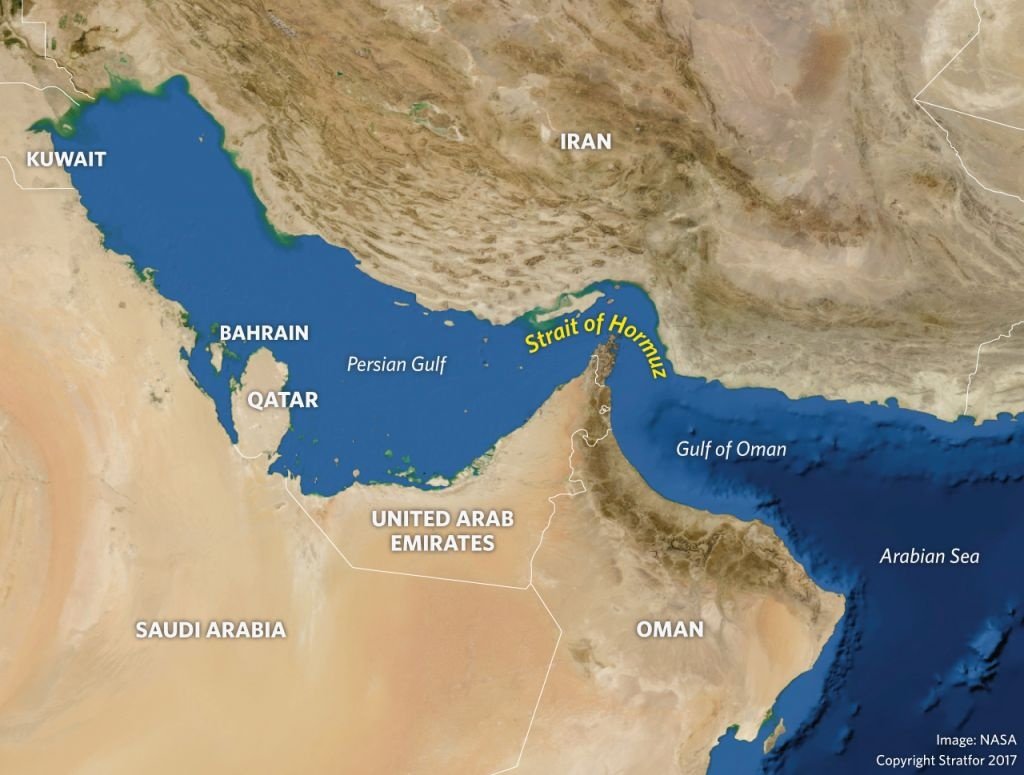
The underlying friction burst into the open following a U.S. intelligence assessment suggesting that Oman might join Iran in tolling commercial vessels passing through the strategic Strait of Hormuz.
Though Oman has vehemently denied any such plans—a stance echoed by Oman’s ambassador to Washington, Talal Alrahbi—the rumor triggered a fierce reaction from U.S. President Donald Trump, who publicly warned Muscat to “behave” or face military action. Concurrently, U.S. Treasury Secretary Scott Bessent threatened the Sultanate with severe economic sanctions if any shipping tolls were implemented.
While U.S. officials privately concede there are no actual plans to attack Oman, the aggressive rhetoric underscores a deeper reality: Washington now views Muscat’s neutrality as a form of quiet alignment with Tehran.
Why Washington’s Distrust Ran Deep
According to U.S. officials, the administration’s skepticism toward Oman dates back to the eve of the first U.S.-Israeli airstrikes. At the time, Omani Foreign Minister Badr Albusaidi announced on American television that a nuclear deal between Washington and Tehran was “within reach.” U.S. officials fiercely disputed this, claiming Iran had offered no serious concessions, and felt Oman was weaponizing diplomacy to shield Tehran.
Since the war broke out three months ago, Oman has repeatedly broken rank with its regional neighbors:
-
Refusing Condemnation: In line with its diplomatic traditions, Muscat declined to explicitly name or condemn Iran for regional drone and missile strikes.
-
Questioning U.S. Alliances: Foreign Minister Albusaidi suggested that Gulf states should reconsider their security reliance on the U.S. if Washington couldn’t prevent regional destabilization.
-
The Toll Statement: Oman was the sole Gulf nation that refused to sign an Emirati-led UN statement condemning Iran’s maritime tolling proposals.
A Century-Old Balancing Act
Oman’s foreign policy is deeply rooted in its unique identity. Unlike its predominantly Sunni neighbors, the majority of Omanis follow the Ibadite sect of Islam, which historically emphasizes moderation and egalitarianism. This independent streak has allowed Oman to maintain close, centuries-old ties with both the United States (a partner of nearly 200 years) and Iran (its powerful neighbor across the water).
For decades, this dual relationship was seen as an asset to Washington. Oman successfully hosted the peace talks that ended the Iran-Iraq war in the 1980s and facilitated the secret back-channel communications that paved the way for the 2015 Iran Nuclear Deal under the Obama administration. Even in the early days of the current conflict, Oman leveraged its back channels with Tehran to help fellow Gulf states safely reopen critical flight corridors.
The Cost of Isolation
Today, however, Oman’s unique position has turned into a liability. Unlike wealthy Gulf neighbors like Saudi Arabia or the UAE, Oman is a smaller economic player. It lacks the massive military contracts and deep corporate ties that buy influence in Washington’s power circles. Furthermore, while the Pentagon uses Omani ports for logistics, Oman does not host a permanent U.S. military base like Bahrain, Qatar, or Kuwait do.
As Middle East experts note, Oman’s approach has opened the floodgates to unwelcome scrutiny. By trying to keep the peace with Iran, Muscat has not only alienated a hawkish Trump administration but has also ruffled the feathers of its immediate neighbors, who now view Oman as far too sympathetic to Tehran.
Muscat now faces a agonizing dilemma: leaning toward Washington risks inviting the immediate wrath of a powerful Iran across the strait, but maintaining its current path could permanently fracture its oldest Western alliance.
