

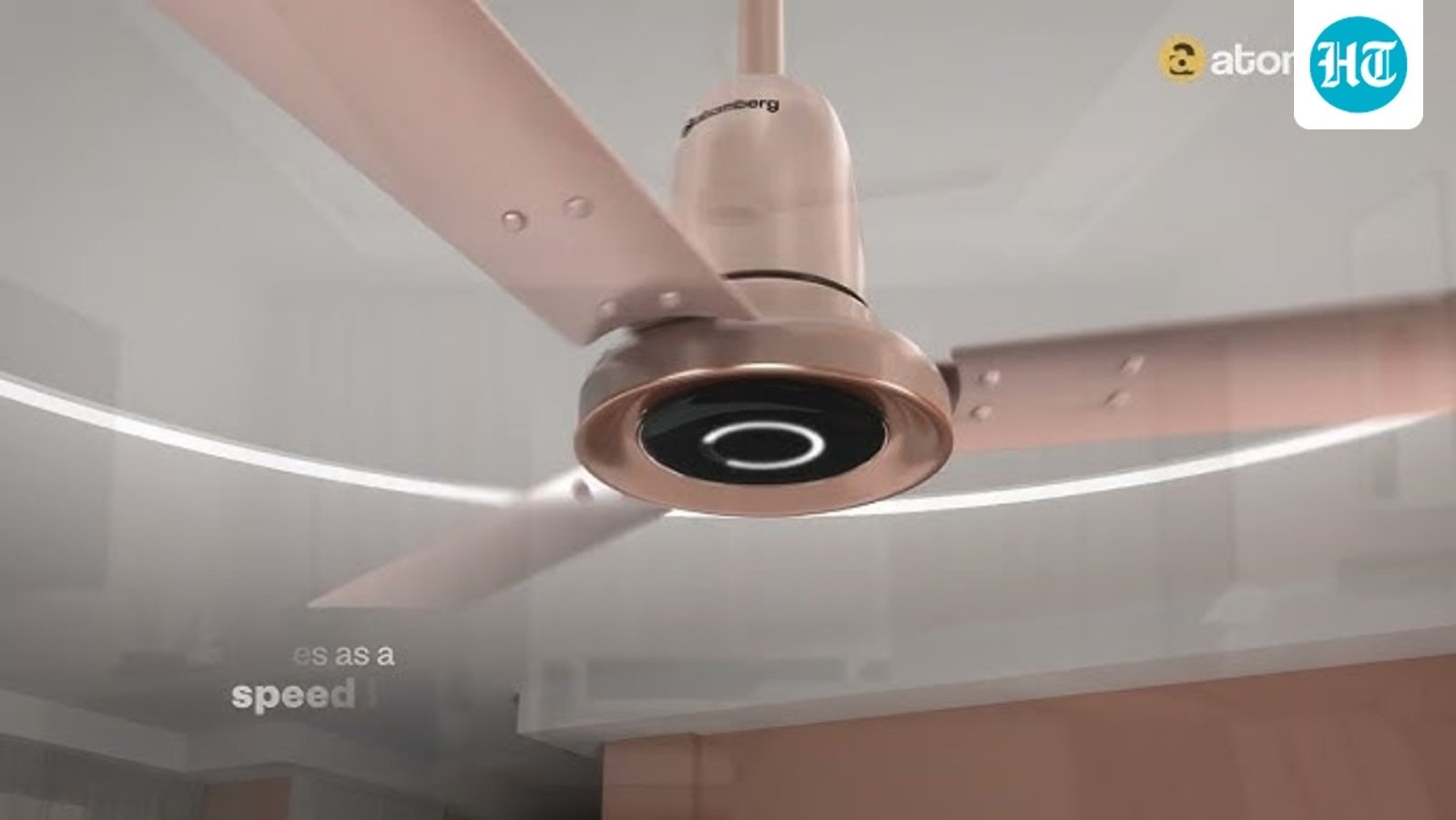
For decades, the humble ceiling fan was an overlooked appliance. You bought one, switched it on, and ignored the fact that it quietly guzzled electricity in the background. Atomberg disrupted this stagnant industry by tackling a massive household problem: high electricity bills.
By replacing old-school induction motors with BLDC (Brushless Direct Current) technology, Atomberg managed to slice a fan’s power consumption by more than half. While a standard ceiling fan drains roughly 75 to 80 watts, an Atomberg fan runs on just 28 to 35 watts. Over time, that efficiency translates into major savings on monthly power bills.
Beyond lowering your electricity costs, these fans introduced modern convenience to the ceiling—incorporating smart remotes, sleep modes, timers, and extended run-times on home inverter backups.
Atomberg Lineup Comparison
If you are looking to upgrade your home comfort and slash your energy usage, here is how Atomberg’s top-selling 1200mm models stack up:
| Model | Power Consumption | Air Delivery (CMM) | Distinctive Feature | Best Suited For | Price Range (Approx.) |
| Ameza | 35W | 230 CMM | Budget-friendly entry point, durable steel blades | Budget-conscious buyers, rental properties | ₹2,599 |
| Efficio Alpha | 35W (28W at Speed 5) | 230 CMM | Ultra-low power usage, clean industrial look | Study rooms, straight-forward utility | ₹2,699 |
| Renesa Enzel | 35W | 235 CMM | Sleek design with built-in LED speed indicator | Modern living rooms, master bedrooms | ₹3,749 |
| Renesa Enzel (Maplewood) | 35W | 235 CMM | Premium wood-inspired finish | Traditional or wooden interior themes | Price varies by finish |
| Erica Nuvo | 35W | 225 CMM | Award-winning design, RF remote (no line-of-sight needed) | Premium spaces, contemporary decor | ₹4,349 |
The Pros and Cons: A Quick Breakdown
Before you make the switch, it helps to look at the complete picture.
Why Homeowners Love Them (The Pros)
-
Massive Power Savings: 5-Star BEE energy ratings mean they pay for themselves in electricity savings over 1–2 years.
-
Inverter Friendly: Because they draw so little power, they can run up to three times longer on your home inverter during power cuts.
-
Smart Features: No more getting out of bed to twist a wall regulator—the remotes feature handy Boost, Timer, and Sleep modes.
Things to Consider (The Cons)
-
Upfront Cost: BLDC fans carry a premium initial price tag compared to standard induction fans.
-
Remote Build & Range: Some entry-level models feature basic plastic remotes with limited range, though higher-end models upgrade to robust RF (Radio Frequency) technology.
The Takeaway: As electricity tariffs climb, shifting to BLDC technology is less about chasing a smart home trend and more about making a practical, long-term financial investment in your daily comfort.
