

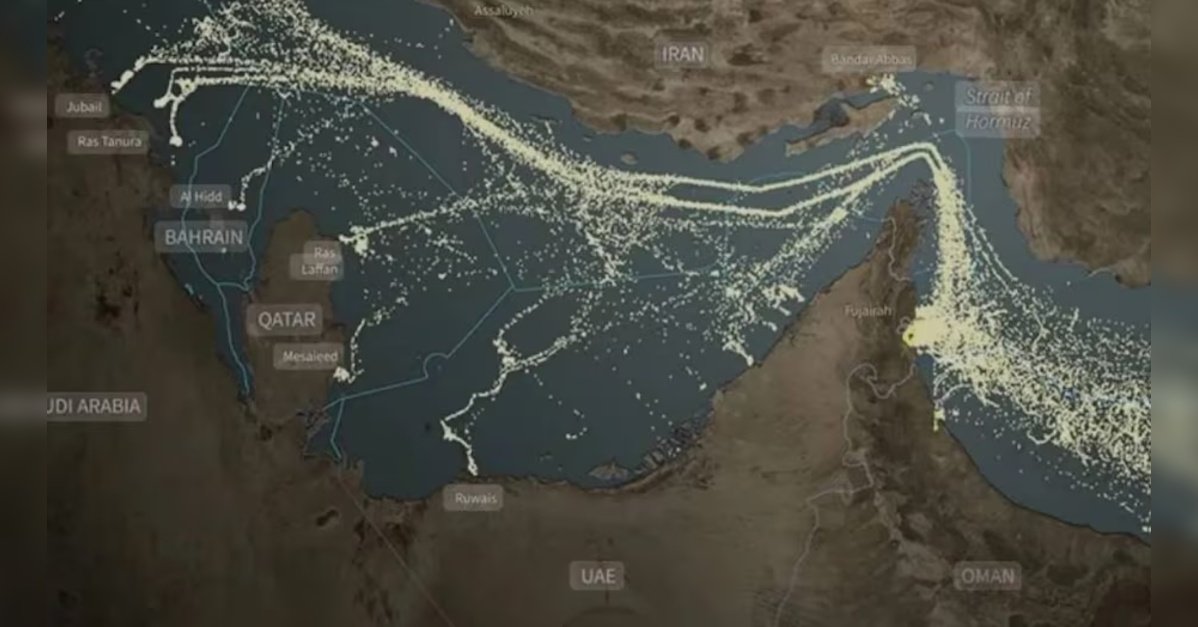
Despite an ongoing blockade of the Strait of Hormuz—one of the world’s most vital energy chokepoints—Indian-flagged vessels continue to navigate the high-risk waterway. Following Iran’s entry into the conflict on February 28 in retaliation for US-Israeli strikes, the narrow passage between Iran and Oman has been heavily disrupted, severely impacting global energy markets.
While many international shipping operators have abandoned the route entirely due to safety concerns, India has managed to maintain maritime traffic, securing critical fuel and energy supplies even after an April 9 ceasefire failed to fully restore normal transit.
Behind-the-Scenes Diplomatic Coordination
At a recent inter-ministerial briefing, Opesh Kumar Sharma, Director of Shipping at the Ministry of Ports, shed light on India’s strategic management of the crisis. While operational specifics remain confidential for security reasons, the process relies on high-level inter-agency collaboration:
-
Diplomatic Channels: Coordination is managed actively through the Ministry of External Affairs (MEA).
-
Priority Allocation: Vessel movement priorities are determined jointly alongside the Ministry of Petroleum and Natural Gas (MOPNG) and the Ministry of Fertilisers to ensure essential commodities reach their destinations.
“We coordinate through MEA, and that is where we are… In terms of priority, it is decided in coordination with MOPNG, Ministry of Fertilisers, and thereafter the coordinated priorities [are] prepared and through which we try and get the ships out.”
— Opesh Kumar Sharma, Director of Shipping
Indian Fleet Currently in the Region
India remains among the nations with the highest number of vessels actively transiting the Strait. Currently, 13 Indian-flagged vessels are operating within the region, consisting of:
| Vessel Type | Count |
| Crude Oil Tankers | 5 |
| Container Ships | 3 |
| Bulk Carriers | 2 |
| LPG Tanker | 1 |
| Chemical/Product Tanker | 1 |
| Dredger | 1 |
Notable Indian-linked ships that have successfully crossed the waterway since the conflict began include the Shivalik, Nanda Devi, Jag Laadki, Pine Gas, Jag Vasant, BW Tyr, BW Elm, and Green Sanvi.
The Risk of Public Ship-Tracking Data
When questioned about whether publicly accessible commercial ship-tracking applications pose a security threat to these vessels, officials acknowledged the dual-use nature of open data.
Sharma noted that while these subscription-based platforms are accessible to anyone and their data could theoretically be misused depending on intent, the information currently serves a practical purpose by allowing authorities and stakeholders to monitor and track ship safety in real time.
