

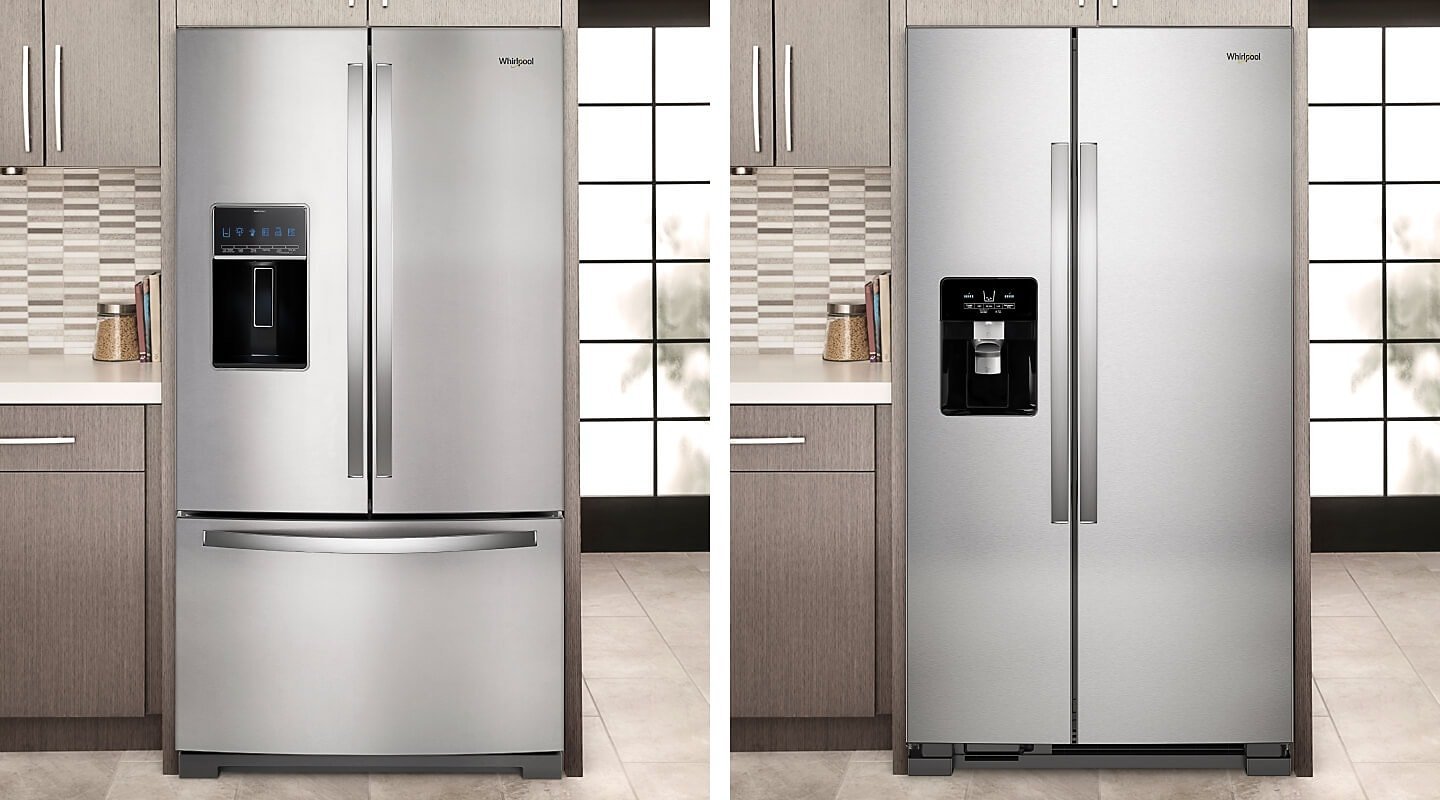
When an old double-door refrigerator finally gives up the ghost, it forces an immediate and often stressful household dilemma: do you replace it with a familiar layout, or take the plunge into the sleek, modern world of side-by-side models?
Frequent cooling fluctuations, strange compressor noises, water leaks, or a sudden spike in your electricity bill are all classic warning signs of a failing fridge. However, a breakdown isn’t always about a dying appliance—sometimes, your household needs have simply outgrown it. Whether your family has expanded, grocery runs have gotten bigger, or you find yourself cooking in bulk and entertaining guests more frequently, a larger refrigerator becomes awfully tempting.
If you are pondering whether a side-by-side should be your next kitchen centerpiece, here is a look at how they stack up against traditional designs, their hidden quirks, and the top models worth considering.
Why Upgrade to a Side-by-Side?
The appeal of a side-by-side refrigerator—where the fridge and freezer compartments sit vertically next to each other—is fairly straightforward:
-
Better Accessibility: You don’t have to bend down repeatedly to rummage through the freezer.
-
Improved Freezer Visibility: Multiple shelves and door bins make it much easier to organize smaller boxes, bags, and frozen goods.
-
Narrower Door Swing: Because the doors open from the center, they require less clearance space in front of the unit, making them convenient for tighter kitchen walkways.
The Catch: While side-by-side doors save space when swinging open, the appliance itself requires significantly more overall width. Your kitchen may have enough room for the doors, but make sure you have the wall space for the unit’s broader footprint.
Comparing Side-by-Side and Alternative Refrigerators
The Hidden Drawbacks to Keep in Mind
Before you fall in love with the premium look of a side-by-side, consider how you actually store food:
-
Narrow Shelves: Because the total width is split evenly between the fridge and freezer, individual shelves are noticeably narrower. A wide serving platter, a large pot of Sunday curry, or an oversized pizza box that slid effortlessly into your old double-door fridge might not fit across a side-by-side shelf.
-
Bulky Items: The vertical freezer layout gives you great organizational tiers, but storing extremely wide or bulky frozen packages can sometimes prove frustrating.
Pre-Purchase Checklist: Measure Everything!
A refrigerator can fit perfectly into your kitchen cavity and still turn into a logistical nightmare if it can’t make it inside your home. Before ordering, check:
-
Kitchen cavity height, width, and depth
-
Entrance doorways, hallways, and tight corner turns along the delivery route
-
Door-opening clearance and hinge space
-
BEE star ratings and annual energy consumption figures
Final Verdict
Don’t upgrade to a side-by-side simply because your old refrigerator broke down. Upgrade because the layout genuinely matches your lifestyle.
-
Choose a side-by-side if: You stock up on plenty of frozen foods, prefer having items at an accessible eye-level height, and value organized freezer storage. Options like the Samsung 653 L Side-by-Side offer fantastic smart and convertible features, while the Voltas Beko 563 L Side-by-Side provides great value.
-
Stick with a traditional double-door or French-door alternative if: You frequently store wide cooking vessels and bulky containers. The Samsung 550 L French Door serves as an exceptional middle ground, combining wider shelf space with convenient bottom-freezer access.
