

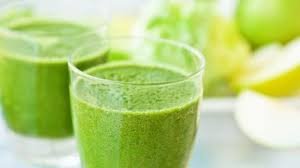
As high cholesterol—or dyslipidemia—increasingly affects younger professionals in urban India, many are looking beyond the medicine cabinet and toward traditional kitchen staples. Two of the most popular functional drinks in this space are Okra (Bhindi) Water and Lauki (Bottle Gourd) Juice.
While both offer significant cardiovascular benefits, they target heart health through different biological mechanisms. Understanding these differences is key to choosing the tonic that best suits your specific lipid profile.
Okra Water: The Soluble Fiber Specialist
The “secret weapon” of okra is its mucilage—the viscous, gel-like substance often seen when the vegetable is cut. This mucilage is a powerful form of soluble fiber.
-
How it Works: When consumed (typically on an empty stomach), this fiber binds to bile acids in the digestive tract. Since the body creates bile from cholesterol, it is forced to pull more cholesterol from the bloodstream to replace what was bound and excreted.
-
The Benefits: A 2024 review in the International Journal of Molecular Sciences highlighted that okra can significantly reduce Total Cholesterol (TC) and Triglycerides (TG) while boosting “good” HDL levels. It also contains polyphenols like quercetin, which help prevent arterial plaque.
-
Best For: Individuals primarily battling high LDL (“bad” cholesterol) or those who also need to stabilize blood sugar levels.
Lauki Juice: The Triglyceride & BP Fighter
Bottle gourd, or Lauki, has a long-standing reputation in Ayurvedic heart care. Rather than relying on fiber, it utilizes bioactive compounds like saponins and terpenoids.
-
How it Works: These compounds inhibit specific enzymes involved in the synthesis of cholesterol and reduce oxidative stress within the cardiovascular system.
-
The Benefits: Research published in the Journal of Evidence-Based Complementary and Alternative Medicine showed that consuming 200 ml of fresh lauki juice daily for 90 days significantly lowered triglycerides and improved overall cardiac risk ratios.
-
Best For: Those focusing on lowering triglycerides or managing hypertension (high blood pressure), thanks to the gourd’s natural diuretic properties.
Comparison at a Glance
| Feature | Okra Water | Lauki Juice |
| Main Mechanism | Binds bile acids via soluble fiber | Inhibits enzymes via saponins |
| Primary Target | High LDL & Blood Sugar | High Triglycerides & Blood Pressure |
| Preparation | Easy: Soak sliced okra overnight | Moderate: Must be blended & fresh |
| Best Timing | Empty stomach in the morning | Freshly made, immediate consumption |
Critical Safety Warnings
Before adding these to your daily routine, keep these medical precautions in mind:
-
The “Bitter Lauki” Rule: Never consume bottle gourd juice if it tastes bitter. Bitterness indicates high levels of cucurbitacins, which can cause “bottle gourd poisoning,” leading to severe stomach pain, vomiting, or internal bleeding. Always taste a small piece of the raw vegetable before juicing.
-
Kidney Stone Risk: Okra is high in oxalates. If you are prone to kidney stones, consult a physician before making okra water a habit.
-
Consult a Professional: These tonics are supplements to, not replacements for, medical treatment. Always speak with a doctor or nutritionist to ensure these drinks won’t interfere with existing medications.
