

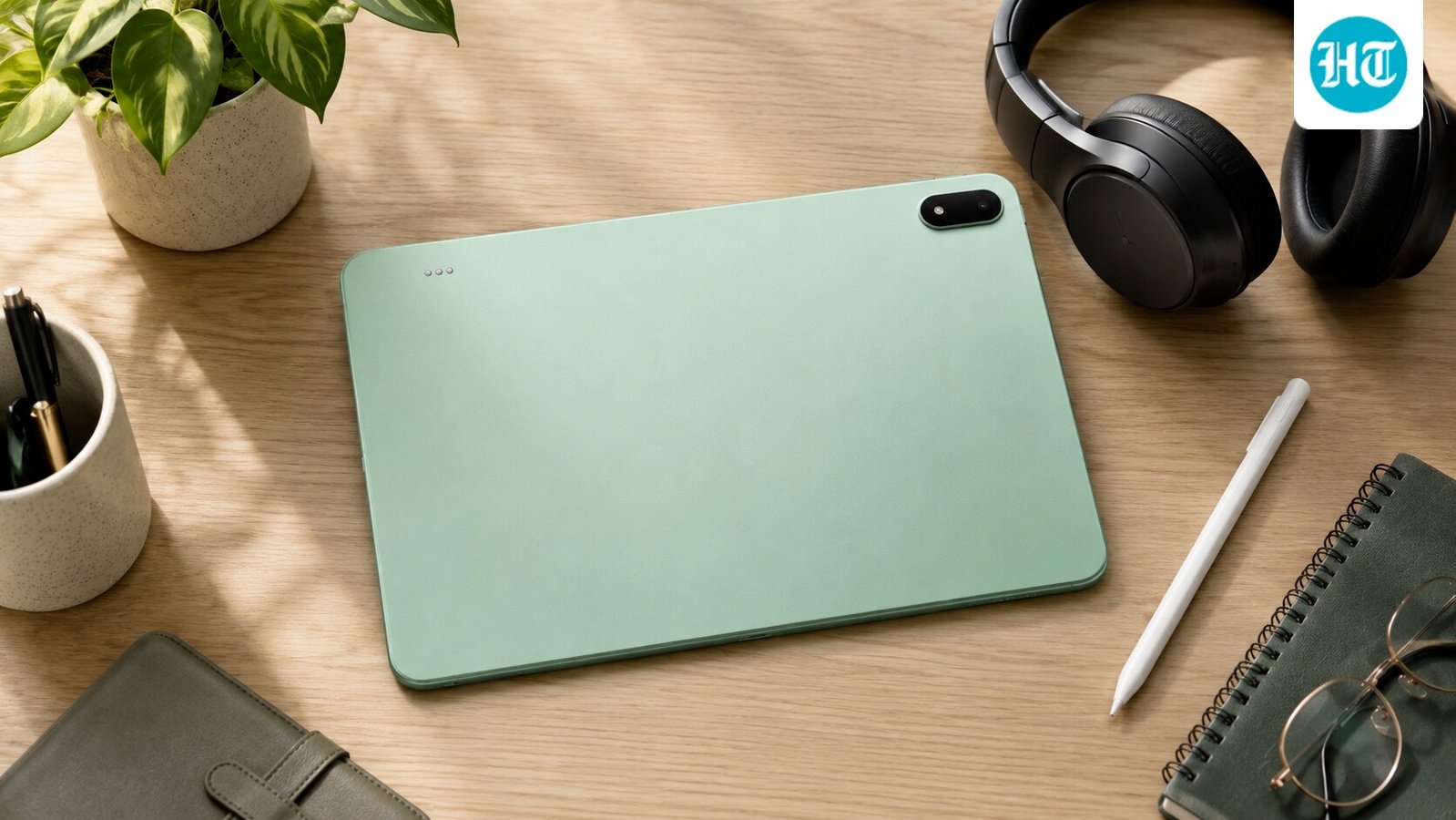
Choosing the perfect tablet is no longer just a choice between an iPad and Android. Instead, the right device depends heavily on your specific workflow, preferred ecosystem, and desired software capabilities. Major players like Apple, Samsung, OnePlus, Lenovo, and Xiaomi have packed their current lineups with flagship processors, specialized AI tools, high-refresh-rate displays, and digital stylus support across various price segments.
Whether you need a high-end canvas for creative design, a desktop-class machine for office tasks, or a budget-friendly device for streaming and casual web browsing, this comprehensive comparison highlights the standout tablets of 2026 to help you pick your ideal daily companion.
Flagship & High-End Productivity Tablets
The Samsung Galaxy Tab S11 AI Tablet 5G serves as a premier premium choice for advanced power users, professionals, and students who want a desktop-alternative performance paired with an included premium digital stylus.
-
Display: 11-inch Dynamic AMOLED 2X, 120Hz refresh rate, WQXGA HDR panel.
-
Processor: MediaTek Dimensity 9400+ Octa-Core.
-
Memory & Storage: 12GB RAM paired with 128GB baseline flash memory.
-
Key Features: Built-in Galaxy AI productivity tools, Samsung DeX interface, and an updated hexagonal S-Pen in the retail box.
The Apple 11″ iPad Air M3 128GB Wi-Fi Only iPad Air M3 balances portability and power for ecosystem users who prioritize high-end multitasking, gaming, and creative work within iPadOS.
-
Display: 11-inch Liquid Retina IPS panel, True Tone, 500 nits brightness, P3 wide color.
-
Processor: Desktop-class Apple M3 silicon.
-
Memory & Storage: 128GB storage configuration.
-
Key Features: Full Apple Intelligence capability, Stage Manager window control, and integration with the separately sold Apple Pencil Pro.
Performance-Driven Mid-Range Alternatives
-
OnePlus Pad 4: Built for long-lasting media consumption and heavy gaming. It packs a massive 13.2-inch 3.4K LCD panel running at an ultra-smooth 144Hz refresh rate. It is powered by Qualcomm’s flagship Snapdragon 8 Elite chip, backed by an enormous 13,380 mAh battery that charges rapidly via 80W SUPERVOOC technology. The device features an 8-speaker spatial layout and OxygenOS Open Canvas multi-window tools.
-
Lenovo Idea Tab Pro: Ideal for students seeking an expansive digital notebook. It provides a huge 12.7-inch 3K screen with a fluid 144Hz refresh rate. Running on a robust MediaTek Dimensity 8300 platform with 12GB of RAM, it handles split-screen office apps seamlessly. Sound is powered by four Dolby Atmos JBL speakers, and the unit includes a Tab Pen Plus stylus in the package.
-
Xiaomi Pad 7: A competitive option for heavy media streamers. It houses an 11.2-inch 3.2K CrystalRes display with 12-bit color depth and a 144Hz AdaptiveSync rate. Performance relies on the Snapdragon 7+ Gen 3 mobile platform paired with HyperOS 2, giving users a responsive environment for floating window productivity.
Budget-Conscious Everyday Choices
-
OnePlus Pad Lite: A wallet-friendly option for light reading and schoolwork. It features a reliable metal chassis, an 11-inch 2K display with a 90Hz refresh rate, and a large 9340 mAh battery. The internal MediaTek Helio G100 processor easily runs web search, video lectures, and document editing.
-
Lenovo Tab Plus: Optimized primarily for casual home entertainment. This tablet stands out with a distinct metal chassis that features an integrated, pull-out kickstand. It utilizes an 11.5-inch 2K screen alongside an impressive eight-speaker JBL Hi-Fi system, letting you stream video content anywhere completely hands-free.
2026 Tablet Comparison Profile
| Tablet Model | Screen Size & Type | Processor Platform | Battery & Charging | Best Suited Use Case |
| Samsung Galaxy Tab S11 | 11.0″ Dynamic AMOLED 2X | Dimensity 9400+ | 8,400 mAh (45W) | Professional Drawing & Mobile Desktop Work |
| Apple iPad Air 11″ | 11.0″ Liquid Retina IPS | Apple M3 Silicon | 28.93 Watt-Hours | Apple Ecosystem App Ecosystem & Video Editing |
| OnePlus Pad 4 | 13.2″ 3.4K LCD (144Hz) | Snapdragon 8 Elite | 13,380 mAh (80W) | Core Mobile Gaming & All-Day High-End Media |
| Lenovo Idea Tab Pro | 12.7″ 3K LCD (144Hz) | Dimensity 8300 | 10,200 mAh (45W) | Large Screen Note-Taking & Split-Screen Study |
| Xiaomi Pad 7 | 11.2″ 3.2K LCD (144Hz) | Snapdragon 7+ Gen 3 | 8,850 mAh (45W) | Color-Accurate Streaming & Floating Window Tasks |
| OnePlus Pad Lite | 11.0″ 2K LCD (90Hz) | Helio G100 | 9,340 mAh (33W) | Casual Reading, Browsing & General E-Learning |
| Lenovo Tab Plus | 11.5″ 2K LCD (90Hz) | Helio G99 | 8,600 mAh (45W) | Hands-free Video Watching & Casual Music Play |
Crucial Factors for Selection
-
Operating Ecosystem: If your daily tools revolve around a Mac or iPhone, an iPad gives you shared text clipboards, messaging, and advanced app syncing. If you prefer deep file control or an interface that mimics a laptop layout, Android alternatives like Samsung’s built-in DeX desktop environment offer excellent file folder layouts.
-
The Accessory Hidden Cost: Remember that while Samsung and Lenovo frequently include their digital pens directly in the box, alternatives like Apple and OnePlus sell their high-end styluses and keyboard attachments separately, which can add to your final total.
