

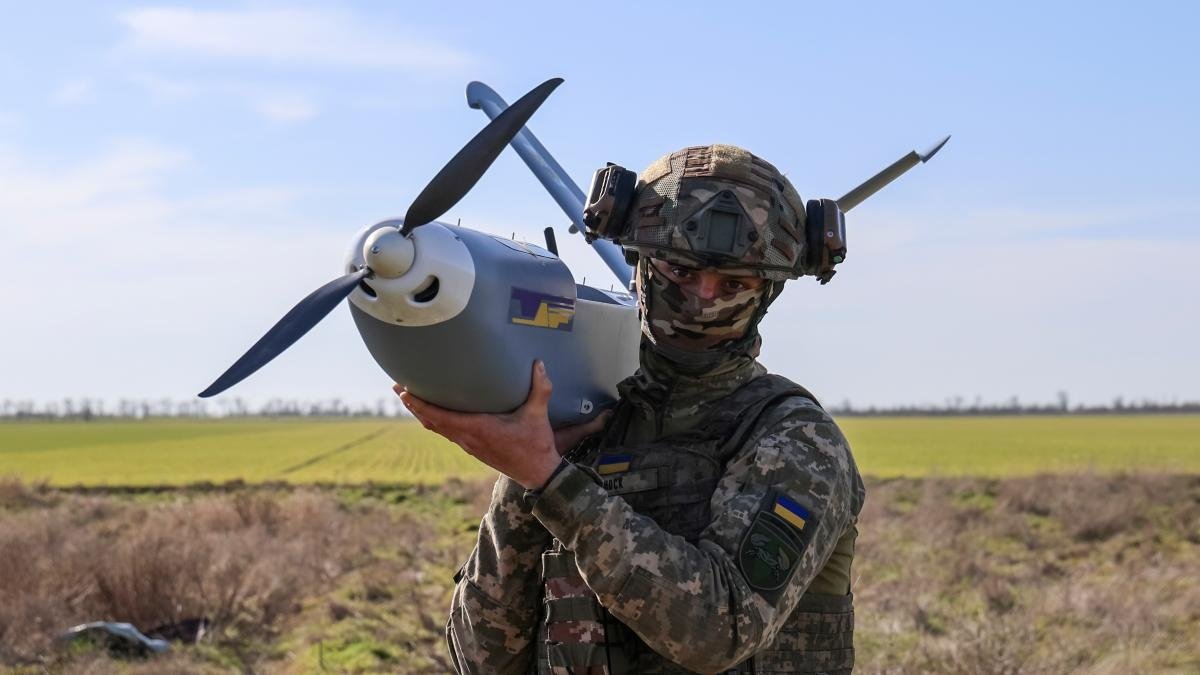
The conflict between Ukraine and Russia is increasingly pivoting toward automated warfare, with machines stepping onto the battlefield to take the place of human troops. Far from the dangerous frontlines, Ukrainian commanders who once engaged in close-quarters combat are now directing operations via screens, live video feeds, and remote control systems.
According to reports, single operations are now carried out using multiple explosive-laden robots to target Russian positions without placing a single Ukrainian soldier on the ground. These ground assaults are monitored in real time by reconnaissance drones overhead, allowing operators to guide the machines safely from distant control centers.
Driving Factors Behind Ukraine’s Robotic Shift
Ukraine’s rapid integration of unmanned systems is born out of a stark strategic reality:
-
Manpower Shortages: Facing a prolonged war against a much larger population, Ukraine has suffered heavy casualties. Replacing soldiers with technology preserves precious human life.
-
Aided by Aerial Oversight: Drones act as the “eyes in the sky,” coordinating ground robots and protecting them from being blindsided.
-
Scale of Operations: The reliance on tech is no longer experimental. President Volodymyr Zelensky announced that Ukrainian forces successfully captured a Russian position using exclusively robots and drones, noting that unmanned systems had executed 22,000 missions in early 2026 alone.
The Reality of “Silent Death” on the Battlefield
The ground-based robotic bomb carriers move with such minimal noise that captured Russian soldiers have reportedly labeled them “silent death.” In many instances, frontline troops only realize the machines are approaching when they are within 10 meters—well inside the lethal blast radius.
“Back then, war was somehow more… masculine. It was your skills that mattered there—how well you’d trained, how disciplined you were. Now, technology decides everything. There is no going back.”
— Bar, Ukrainian Deputy Commander and Donbas Veteran
Beyond Combat: The Multi-Role Robotic Force
Robots are no longer just weapons; they have become integral to everyday logistics and survival on the frontlines.
| Robotic Role | Operational Function | Strategic Benefit |
| Assault Platforms | Carrying explosives directly into enemy trenches and fortifications. | Eliminates human casualties during high-risk breaches. |
| Logistics & Supply | Delivering ammunition, food, and medical supplies to isolated frontline positions. | Keeps supply lines moving without exposing drivers to artillery. |
| Medical Evacuation | Extracting wounded soldiers from active combat zones. | Safely removes injured personnel during heavy shelling. |
The War of Attrition
By leaning heavily into technological advantages, Ukrainian officials aim to maintain a casualty rate of roughly 35,000 Russian soldiers per month. The strategy is designed to pressure the Kremlin by forcing mobilization deeper into Russia’s urban centers and middle classes. This comes alongside estimates from Britain’s intelligence agency, GCHQ, which place Russia’s total military death toll at approximately 500,000 since the conflict began. What started as a novelty has rapidly normalized, forever changing the face of modern combat.
