

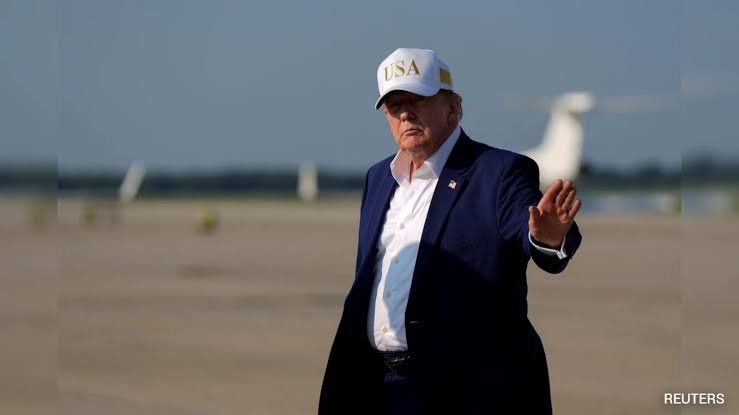
US President Donald Trump was secretly moved to a smaller military aircraft while departing the NATO summit in Turkey following an Israeli warning of a potential Iranian assassination plot targeting Air Force One. However, US intelligence officials have expressed significant skepticism regarding the credibility of the Israeli threat assessment, raising broader questions about geopolitical influence on presidential security protocols.
The Clandestine Switch in Ankara
When departing Ankara, the White House originally stated that Trump’s newly retrofitted, luxury presidential aircraft was sent ahead to allow US troops in the UK to view it. Reports from The Washington Post, NPR, and the Associated Press have since revealed an elaborate ruse designed to protect the president:
-
The Decoy: Journalists, key White House staff, and high-ranking Cabinet officials—including Secretary of State Marco Rubio and Treasury Secretary Scott Bessent—boarded the standard Air Force One.
-
The Operation: Trump was discreetly smuggled onto a smaller, separate military transport aircraft—reportedly using a catering cart setup—to obscure his movement from potential threats.
-
Cabinet Operations: While Secretary Rubio was aware of the security switch, both he and Secretary Bessent remained on the decoy flight. Officials noted that presidential security protocols operate on a much higher threat threshold compared to members in the constitutional line of succession.
When questioned about the sudden switch, Trump confirmed he was simply following directives issued by the Secret Service.
Intelligence Skepticism and Unverified Claims
Despite the intense security precautions, multiple current and former US officials have publicly questioned the validity of the underlying intelligence:
CIA analysts reportedly communicated their doubts to administration officials shortly after receiving the tip from Tel Aviv. Nevertheless, given three previous high-profile safety incidents involving Trump, the Secret Service opted to execute the decoy plan “out of an abundance of caution.”
Strategic Influence or Genuine Threat?
The reliance on unverified intelligence has drawn scrutiny from within the intelligence community. Some US officials suggested that Tel Aviv’s high-alert warning may have been calculated less to report an imminent physical danger and more to shape regional US foreign policy and reinforce a hardline posture against Iran.
While the Secret Service maintained that taking zero risks was the only responsible option, the incident highlights the complex intersection of foreign intelligence sharing, presidential protection, and diplomatic maneuvering in the Middle East.
