

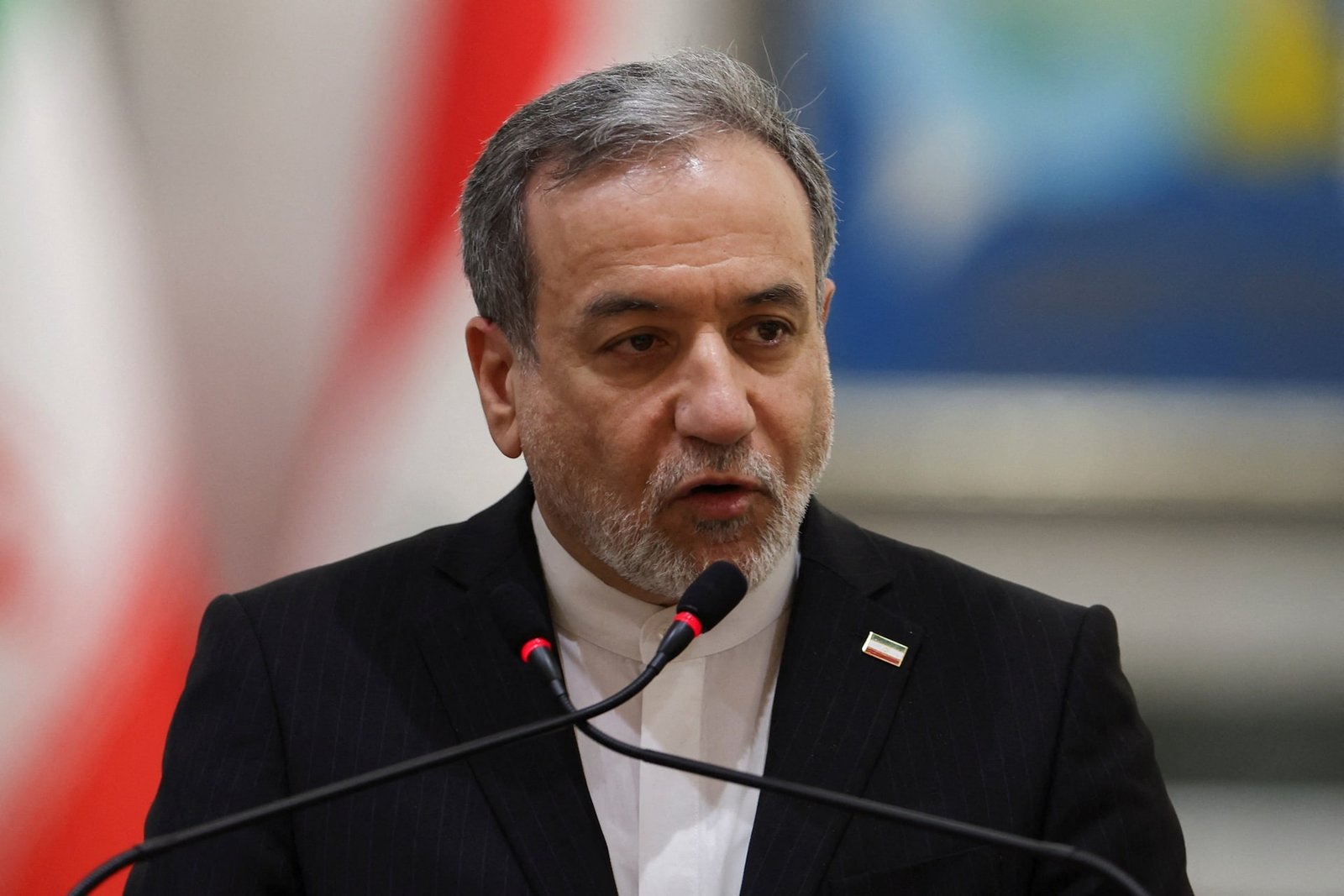
Iranian Foreign Minister Abbas Araghchi issued a sharp warning to Israel, stating that the Islamic Republic will forcefully retaliate if Tel Aviv disregards its diplomatic understandings with the United States. Araghchi’s comments follow recent statements from Israeli Defence Minister Israel Katz, who declared that Iran’s new Supreme Leader, Mojtaba Khamenei, is “marked for death.”
In an aggressive post on X, Araghchi claimed that under the recently signed Islamabad Memorandum of Understanding (MoU), US President Donald Trump committed to restraining Israel’s military actions.
“The terms of the Islamabad MoU are crystal clear and public for all to see. POTUS has committed the U.S. to muzzling its pets in Tel Aviv. If they ignore their master, Iran will school them. Any threat against our People and Leadership will receive Immediate Powerful Response.” — Abbas Araghchi, Iranian Foreign Minister
The Diplomatic and Military Standoff
The escalating rhetoric highlights the fragile nature of regional stability just months after a massive conflict erupted:
-
The Catalyst: The 2026 Iran war began in February with joint US and Israeli military strikes on Iran, during which the former Supreme Leader, Ali Khamenei, was killed. His son, Mojtaba Khamenei, subsequently emerged as his successor.
-
The Islamabad MoU: Signed on June 17, 2026, by President Donald Trump and Iranian President Masoud Pezeshkian, the interim 14-point framework established a ceasefire, lifted the US naval blockade on Iranian ports, and reopened the critical Strait of Hormuz to toll-free commercial shipping for 60 days.
-
Israel’s Defiance: Israeli Defence Minister Israel Katz dismissed the notion that American diplomacy binds Israel’s defense operations. While acknowledging Tel Aviv’s robust defensive partnership with Washington, Katz stated that Israel will act unilaterally and forcefully if attacked, regardless of US involvement. He further characterized Iranian negotiators as “good merchants” attempting to extract undue nuclear concessions.
Parallel Ceasefire Talks in Doha
Even as threats are traded publicly, behind-the-scenes diplomacy continues. Iranian and American officials convened in Doha for indirect technical talks to iron out long-term maritime security and establish a permanent peace deal.
A primary point of contention remains the post-ceasefire management of the Strait of Hormuz. While the US and its allies argue the critical energy corridor must remain toll-free, Tehran insists the wording of the Islamabad MoU gives it historical authority to regulate shipping routes and potentially implement transit fees once the 60-day interim agreement expires.
